- Conservative Fix
- Posts
- Xi Jinping TIME Cover Ignores Uyghur Genocide
Xi Jinping TIME Cover Ignores Uyghur Genocide
Critics slam TIME magazine for whitewashing Chinese leader's human rights abuses.
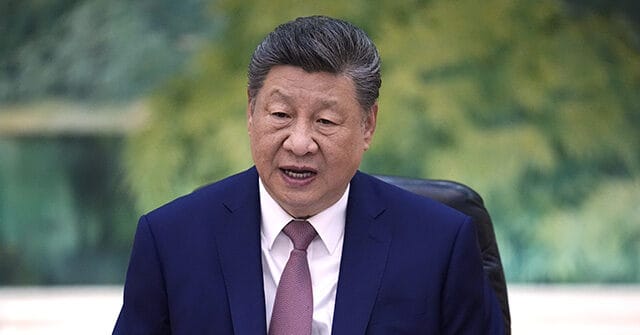
The TIME 100 Omission Sparks Outrage
A recent TIME magazine profile of Chinese President Xi Jinping has ignited controversy for its glaring omission of the ongoing genocide against the Uyghur population in Xinjiang. While the profile, part of the magazine's annual '100 Most Influential People' issue, lauds Xi’s influence on the global stage, critics argue that it glosses over the brutal human rights violations perpetrated by his regime. The absence of any meaningful discussion of the Uyghur crisis raises serious questions about the publication's journalistic integrity and its willingness to hold powerful figures accountable.
The Uyghur Genocide: A Brief Overview
The Uyghur genocide, recognized by the U.S. State Department and numerous international organizations, involves a systematic campaign of repression against the Uyghur people, a predominantly Muslim ethnic group living in the Xinjiang Uyghur Autonomous Region of China. This campaign includes mass internment in concentration camps, forced labor, forced sterilization, cultural and religious suppression, and widespread surveillance. Reports from human rights organizations and survivor testimonies paint a horrifying picture of the abuses taking place within these camps, where Uyghurs are subjected to political indoctrination, torture, and sexual violence.
The Chinese government consistently denies these allegations, claiming that the camps are vocational training centers designed to combat extremism and promote economic development. However, satellite imagery, leaked documents, and firsthand accounts contradict these claims, revealing a vast network of detention facilities built for the purpose of eradicating Uyghur identity and culture.
The TIME Profile: A Soft Approach?
The TIME profile, while acknowledging Xi Jinping's significant role in shaping global affairs, focuses primarily on his economic policies and his vision for China's future. It highlights his efforts to consolidate power, modernize the Chinese economy, and increase China's influence on the world stage. However, it fails to adequately address the human rights concerns associated with his rule, particularly the Uyghur genocide. This omission is seen by many as a deliberate attempt to sanitize Xi's image and avoid confronting the uncomfortable truths about his regime.
The profile does acknowledge some criticisms, stating that Xi is 're-writing how the world works'. However, critics argue that this statement is far too vague and does not accurately reflect the severity of the human rights abuses taking place in Xinjiang. It is one thing to say that Xi is changing the world order, but quite another to ignore the fact that he is doing so through oppression and violence.
The Global Response to the Uyghur Crisis
The international community has largely condemned China's treatment of the Uyghurs, with many countries imposing sanctions on Chinese officials and entities involved in the repression. The United States has been particularly vocal in its criticism, formally declaring that China's actions constitute genocide and crimes against humanity. Other countries, including the United Kingdom, Canada, and the European Union, have also expressed serious concerns and taken steps to hold China accountable. However, some countries, particularly those economically dependent on China, have been more hesitant to criticize the regime's human rights record.
The United Nations has also faced criticism for its perceived inaction on the Uyghur crisis. While the UN High Commissioner for Human Rights has visited Xinjiang, many believe that the UN's response has been inadequate given the scale and severity of the abuses. Critics argue that the UN should launch a formal investigation into the allegations of genocide and hold China accountable for its violations of international law. As of late 2023, the United Nations Human Rights Office released a report detailing serious human rights violations in Xinjiang, but critics argue that this action came far too late and lacked sufficient teeth to compel change.
The Economic Dimensions of the Uyghur Genocide
Beyond the immediate human rights concerns, the Uyghur genocide also has significant economic dimensions. Forced labor is a widespread practice in Xinjiang, with Uyghurs being forced to work in factories producing goods for both domestic and international markets. This has led to calls for companies to ensure that their supply chains are free from forced labor and to boycott products made in Xinjiang. Several major international brands have faced backlash for their alleged complicity in the Uyghur forced labor system. The Australian Strategic Policy Institute (ASPI) estimates that over 80,000 Uyghurs were transferred out of Xinjiang to work in factories across China between 2017 and 2019, highlighting the scale of the forced labor problem.
The Chinese government has also been accused of profiting from the exploitation of Uyghur resources, including cotton, minerals, and oil. These resources are extracted from Xinjiang and sold on the global market, generating significant revenue for the Chinese government. This economic exploitation further entrenches the regime's control over the region and perpetuates the cycle of oppression against the Uyghur people.
The Geopolitical Implications
The Uyghur genocide has significant geopolitical implications, as it raises questions about China's role in the international community and its commitment to human rights. China's actions in Xinjiang have strained its relations with many Western countries and have led to increased scrutiny of its human rights record. The United States has taken a leading role in condemning China's actions and has imposed sanctions on Chinese officials and entities involved in the repression. However, China has dismissed these criticisms as interference in its internal affairs and has accused Western countries of hypocrisy.
The Uyghur crisis also highlights the growing tension between China and the West over issues of human rights, democracy, and the rule of law. China's rise as a global power has challenged the traditional dominance of the United States and its allies, and its human rights record has become a major point of contention. The Uyghur genocide serves as a stark reminder of the fundamental differences between China's authoritarian system and the democratic values espoused by Western countries.
The Role of Western Media
The controversy surrounding the TIME profile underscores the complex role of Western media in covering China. On one hand, Western media outlets have a responsibility to report accurately and objectively on the human rights situation in Xinjiang, exposing the abuses and holding the Chinese government accountable. On the other hand, they also face pressure to maintain access to China and avoid jeopardizing their business interests. This can create a conflict of interest, leading to self-censorship or a reluctance to publish critical reporting.
Critics argue that some Western media outlets have been too soft on China, prioritizing access and profits over journalistic integrity. They point to instances where media outlets have downplayed or ignored the Uyghur genocide, or have uncritically amplified Chinese government propaganda. They argue that Western media has a moral obligation to stand up for human rights and to expose the truth about China's actions in Xinjiang, even if it means sacrificing access or profits.
According to a 2021 report by the Committee to Protect Journalists, China is the world's leading jailer of journalists, further complicating efforts to report freely and accurately on the country. This restrictive environment makes it difficult for Western media outlets to operate independently and to provide comprehensive coverage of sensitive issues like the Uyghur genocide.
Moving Forward: What Can Be Done?
Addressing the Uyghur genocide requires a multifaceted approach involving governments, international organizations, businesses, and civil society. Governments should continue to impose sanctions on Chinese officials and entities involved in the repression and should pressure China to end its human rights abuses. International organizations, such as the United Nations, should launch formal investigations into the allegations of genocide and hold China accountable for its violations of international law. Businesses should ensure that their supply chains are free from forced labor and should boycott products made in Xinjiang. Civil society organizations should continue to raise awareness about the Uyghur crisis and to advocate for the rights of the Uyghur people.
Individuals can also play a role by supporting organizations that are working to help the Uyghurs, by boycotting products made in Xinjiang, and by speaking out against the Chinese government's human rights abuses. It is essential to remember that the Uyghur genocide is not just a political issue, but a moral one. We have a responsibility to stand in solidarity with the Uyghur people and to demand justice for the victims of this horrific crime.
Senator Marco Rubio, a long-time critic of the Chinese Communist Party, stated, 'The world cannot stand idly by while the Chinese government commits genocide against the Uyghur people. We must hold China accountable for its actions and stand in solidarity with the victims of this repression.'
The controversy surrounding the TIME profile serves as a wake-up call, reminding us of the importance of vigilance and the need to hold powerful figures accountable for their actions. The Uyghur genocide is a stain on humanity, and we must not allow it to be forgotten or ignored.
In 2020, the Congressional-Executive Commission on China (CECC) released a report detailing the use of facial recognition technology in Xinjiang to track and monitor Uyghurs, highlighting the pervasive surveillance state that exists in the region. Furthermore, a 2023 report by the Victims of Communism Memorial Foundation estimated that the Chinese government has destroyed or damaged thousands of mosques and other religious sites in Xinjiang, further illustrating the regime's efforts to erase Uyghur culture and identity. These are just two examples of the many ongoing atrocities that deserve attention and condemnation.