- Conservative Fix
- Posts
- Woke Ireland: An American Leftist Dream?
Woke Ireland: An American Leftist Dream?
Radical social policies and economic woes in Ireland spark debate about the American Left's vision for the future.
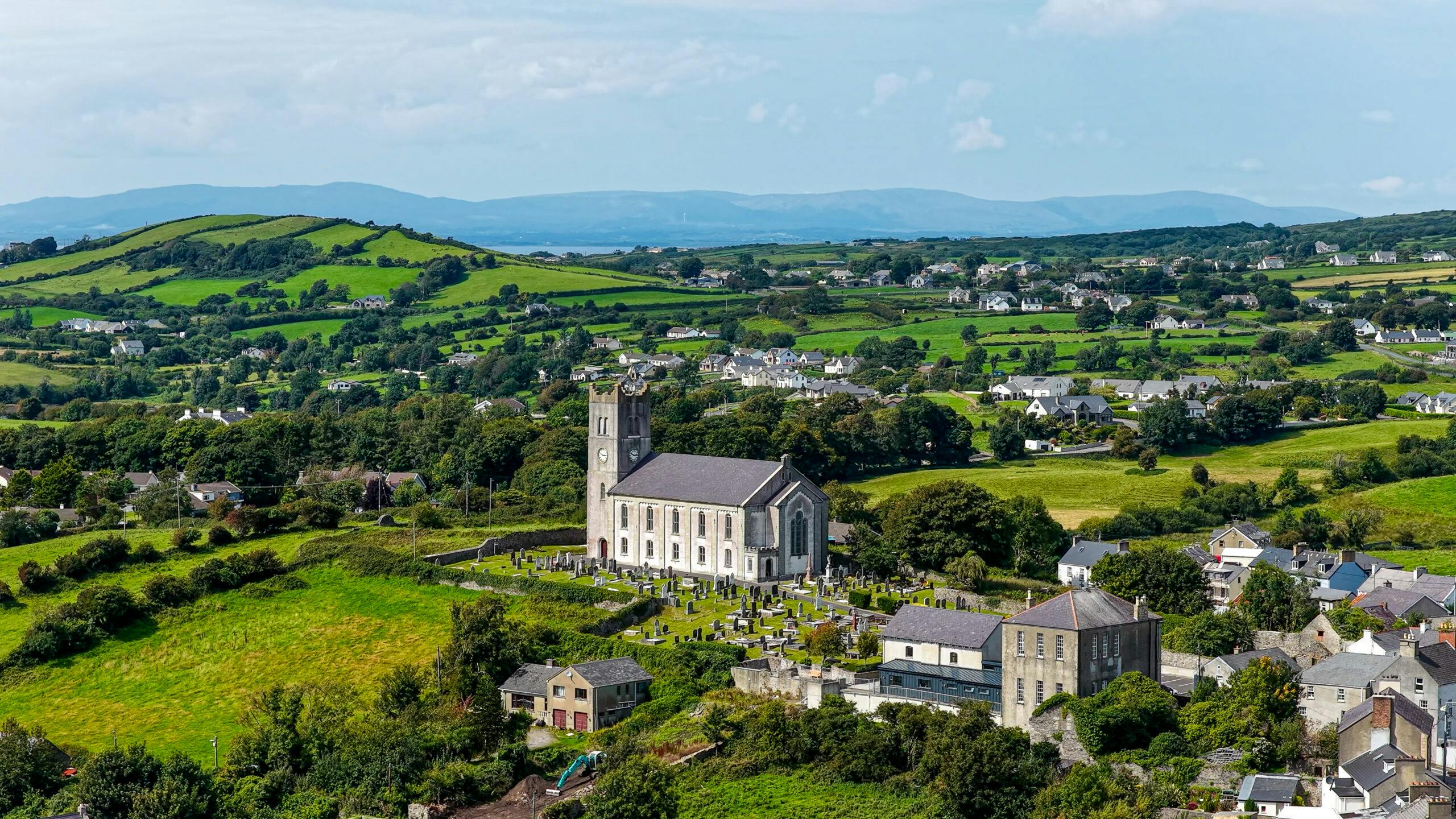
Ireland's Transformation: A Cautionary Tale?
Ireland, once a beacon of economic growth and traditional values, has undergone a dramatic transformation in recent decades. A surge in progressive social policies, coupled with evolving economic realities, has turned the Emerald Isle into a subject of intense scrutiny. For conservatives in America, the changes in Ireland raise critical questions about the direction the American Left seeks to take the United States.
The rapid shift towards progressive policies in Ireland is undeniable. Legalizing same-sex marriage in 2015 via a national referendum was a watershed moment. This was followed by the repeal of the Eighth Amendment in 2018, effectively legalizing abortion. More recently, efforts to introduce hate speech legislation and further expand transgender rights have sparked considerable debate and raised concerns about freedom of expression.
The Housing Crisis: A Symptom of Deeper Issues?
Beyond the social sphere, Ireland faces a severe housing crisis. Skyrocketing rents and a shortage of affordable homes have become a defining feature of contemporary Irish life. This crisis disproportionately affects young people and working-class families, fueling social unrest and emigration. While various factors contribute to the housing shortage, some analysts point to government policies, including restrictive zoning regulations and reliance on private developers, as exacerbating the problem.
One particularly concerning statistic highlights the severity of the situation: in Dublin, the average rent for a one-bedroom apartment now exceeds €2,000 per month, a figure that far outstrips the average wage for many young professionals. Furthermore, the number of homeless individuals in Ireland has risen dramatically in recent years, reaching levels not seen since the height of the 2008 financial crisis. This sharp increase underscores the growing social inequality and the failure of government policies to address the housing needs of its citizens.
Immigration and National Identity
Ireland has also experienced a significant increase in immigration in recent years. While proponents emphasize the economic benefits and cultural enrichment that immigrants bring, concerns have been raised about the strain on public services, the integration of newcomers, and the preservation of Irish national identity. Critics argue that the government's open-door immigration policies have contributed to the housing crisis and placed undue pressure on healthcare and education systems. The most recent census data reveals that non-Irish nationals now comprise over 13% of the total population, a substantial increase compared to previous decades.
The debate surrounding immigration in Ireland is often framed in terms of cultural values and national identity. Some fear that the rapid influx of newcomers will erode traditional Irish customs and dilute the country's unique cultural heritage. Others argue that Ireland has a moral obligation to welcome refugees and asylum seekers, regardless of the potential challenges. This tension between competing values lies at the heart of the immigration debate, and it is a debate that resonates far beyond the borders of Ireland.
Economic Realities and Corporate Influence
Ireland's economic model, heavily reliant on foreign direct investment and a low corporate tax rate, has also come under scrutiny. While the country has attracted numerous multinational corporations, critics argue that this model has created a two-tiered economy, with a small number of highly profitable companies dominating the market and leaving many Irish citizens behind. Furthermore, concerns have been raised about the potential for tax avoidance and the erosion of Ireland's tax base.
The influence of multinational corporations in Ireland is undeniable. These companies not only generate significant revenue and employment, but they also exert considerable influence on government policy. Critics argue that this influence has led to a situation where the interests of large corporations are prioritized over the needs of ordinary citizens. This raises fundamental questions about the balance of power in Irish society and the extent to which the government is truly accountable to its constituents.
The Role of the European Union
Ireland's membership in the European Union has also played a significant role in shaping its social and economic policies. EU directives and regulations have influenced everything from environmental standards to labor laws, and critics argue that this has led to a loss of national sovereignty and a weakening of democratic accountability. The EU's influence is particularly evident in areas such as immigration and asylum policy, where Ireland is bound by EU rules and regulations.
A recent study by a leading Irish think tank found that over 60% of Irish legislation is now directly influenced by EU directives. This highlights the extent to which Ireland's national laws are shaped by decisions made in Brussels. While proponents of EU membership argue that it has brought significant economic benefits and strengthened Ireland's international standing, critics contend that it has eroded national sovereignty and diminished the ability of the Irish people to govern themselves.
Conservatives' Concerns: Echoes in America?
For American conservatives, the situation in Ireland raises several important questions. Is Ireland a glimpse into a potential future for the United States under a progressive agenda? Are the social and economic challenges facing Ireland a direct result of policies favored by the American Left? And what lessons can be learned from Ireland's experience to prevent similar outcomes in America?
Many conservatives believe that the American Left shares a similar vision for the future as the progressive forces that have transformed Ireland. This vision includes policies such as open borders, expansive social welfare programs, and aggressive efforts to combat climate change. Critics argue that these policies, while well-intentioned, could have unintended consequences that undermine economic prosperity, erode individual liberty, and weaken national identity.
Voices of Dissent: A Growing Resistance
Despite the dominance of progressive voices in Irish politics and media, a growing resistance is emerging. Grassroots movements and alternative media outlets are challenging the prevailing narrative and advocating for more conservative policies. These voices are often marginalized and ignored by the mainstream media, but they are gaining traction among a growing segment of the population who feel that their concerns are not being adequately addressed.
One prominent figure in this growing resistance is Senator Michael McDowell, a former Attorney General and a vocal critic of the government's policies. "We are sleepwalking into a situation where our national identity is being eroded and our democratic institutions are being weakened," McDowell warned in a recent interview. "We need to wake up and defend our values before it's too late."
The Future of Ireland: A Crossroads
Ireland stands at a crossroads. The choices it makes in the coming years will determine its future trajectory. Will it continue down the path of progressive social policies and economic dependence on multinational corporations? Or will it chart a new course that prioritizes national sovereignty, economic self-reliance, and the preservation of traditional values? The answers to these questions will have profound implications not only for Ireland but also for other Western nations grappling with similar challenges.
The Irish example serves as a stark reminder that even seemingly prosperous and stable societies can be vulnerable to radical social and economic changes. The lessons learned from Ireland's experience can inform the debate about the future of America and help conservatives develop strategies to defend their values and promote a more prosperous and free society. One critical statistic to consider is the sharp decline in Ireland's birth rate, which now sits well below the replacement level at approximately 1.7 children per woman. This demographic trend poses significant challenges for the long-term sustainability of the Irish economy and welfare system.
As Ireland navigates its complex future, the world watches. Its successes and failures will undoubtedly shape the political landscape for years to come, offering both warnings and potential solutions for nations grappling with similar challenges.