- Conservative Fix
- Posts
- U.S. and Israeli Strikes Cripple Iran’s Nuclear Weapons Pipeline
U.S. and Israeli Strikes Cripple Iran’s Nuclear Weapons Pipeline
Strategic attacks devastate Tehran’s capabilities, but secrecy and Russian aid keep future threat alive.

Max Corwin
December 19th, 2025 • Reading Time: 2 minutes
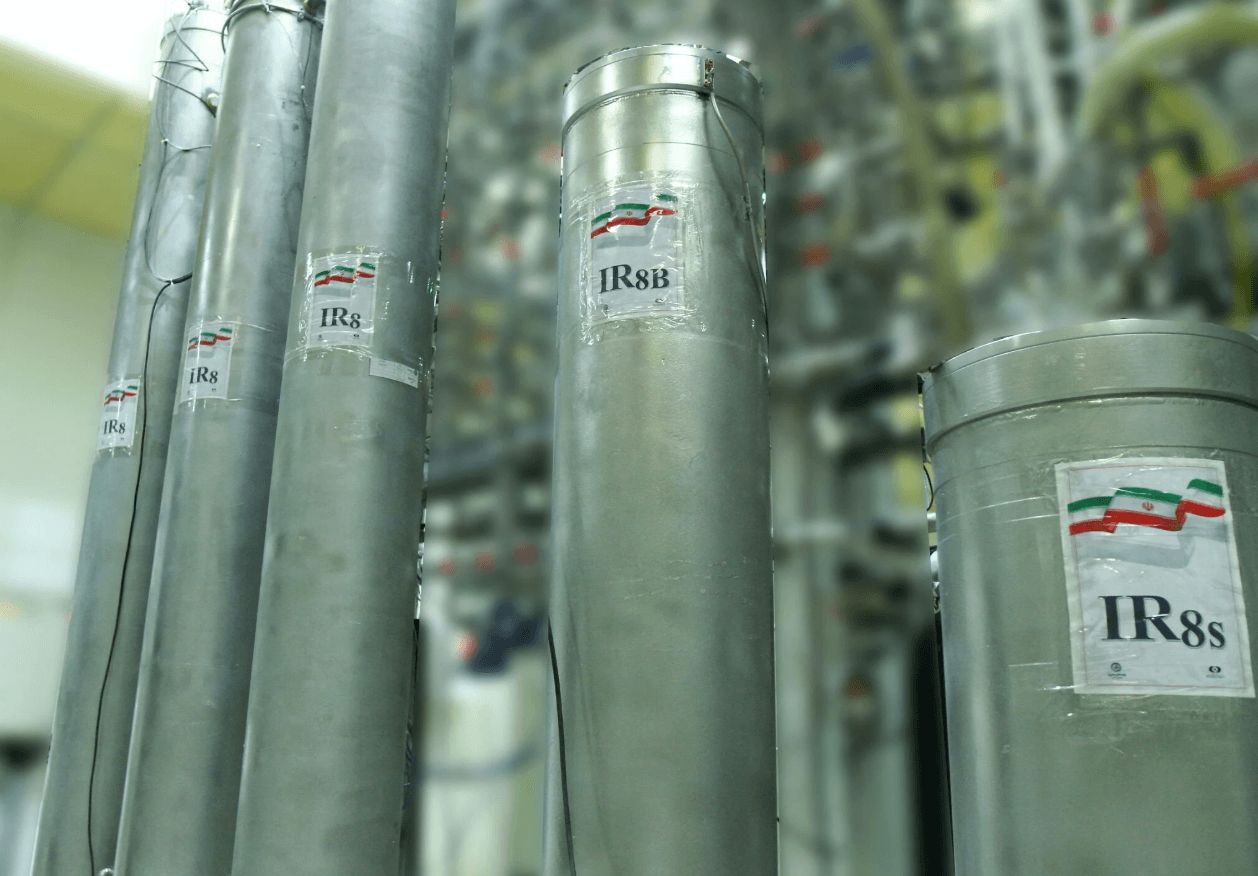
The Biden administration may not want to admit it, but when the United States and Israel finally took the gloves off, they delivered a crushing blow to Iran’s nuclear ambitions. According to post-strike assessments, the June joint strikes on Iran’s nuclear infrastructure have created massive bottlenecks in the regime’s ability to build a nuclear weapon, setting the Islamic Republic’s weapons pipeline back by months, if not years.
Before the operation, Iran had already become a nuclear threshold state, reportedly possessing enough enriched uranium to build 22 nuclear bombs within five months and about half that amount ready within weeks. With its scientists accelerating the weaponization phase, a final decision from Iran’s Supreme Leader was all that stood between the regime and a nuclear arsenal.
That changed overnight.
The strikes targeting critical infrastructure across the country hit not just facilities, but the entire interconnected chain required to enrich fuel, develop warhead components, and assemble a viable nuclear weapon. According to analysts, the attacks wiped out centrifuge manufacturing centers, destroyed uranium conversion plants, vaporized fuel enrichment sites, and struck deep into administrative and scientific hubs.
More than a dozen nuclear scientists were reportedly killed, gutting the regime’s technical knowledge.
Iran’s route to plutonium-based weapons has been eliminated entirely.
Centrifuge production sites in Karaj and Esfahan were leveled, along with research centers in Tehran and Kalaye.
The Esfahan Uranium Conversion Facility, essential for producing UF6 gas used in enrichment, is gone.
Power systems at key locations like Fordow and Natanz remain offline, with satellite images showing debris and no reconstruction.
According to the Foundation for Defense of Democracies (FDD), Iran’s nuclear infrastructure has been reduced to a shell of its former self. While the deeply buried Fordow facility remains intact, it is reportedly inaccessible due to debris and power disruption. Iran would have to excavate uranium stockpiles if any remain usable.
Despite this success, the war isn’t over.
Tehran, true to form, kicked out international inspectors and formally withdrew from the Joint Comprehensive Plan of Action (JCPOA) in October, ending all obligations to disclose its nuclear activities. The regime has now entered a new phase marked by secrecy, internal panic, and strategic disarray.
But there are warning signs:
Iran may still possess a stockpile of 60% enriched uranium, dangerously close to weapons-grade.
Intelligence reports suggest the regime is scouting for new underground sites to rebuild its enrichment program.
And let’s not forget: Russia is still supplying enriched uranium fuel, quietly aiding Tehran while the West dithers.
The strikes were a long-overdue assertion of force, but Iran has proven time and again that it plays the long game. With help from Moscow and protection from Western appeasement, there’s still a risk the ayatollahs could rebuild.
This is the result of years of failed diplomacy and dangerous leniency especially under the Obama and Biden administrations. While President Trump implemented maximum pressure, the current White House seems more interested in reviving failed agreements than confronting existential threats.
For now, the nuclear pipeline has been crippled. But unless the pressure continues, Iran could recover.
We cannot afford to let up.
If you believe the U.S. must stay strong in the face of foreign threats, share this article and subscribe to our newsletter for ongoing updates the media won’t cover.