- Conservative Fix
- Posts
- Trump Sues IRS for $10 Billion Over Alleged Tax Return Leaks
Trump Sues IRS for $10 Billion Over Alleged Tax Return Leaks
President claims illegal disclosures of his confidential tax records were politically motivated and violated federal law.

Jason Novak
January 30th, 2026 • Reading Time: 2 minutes
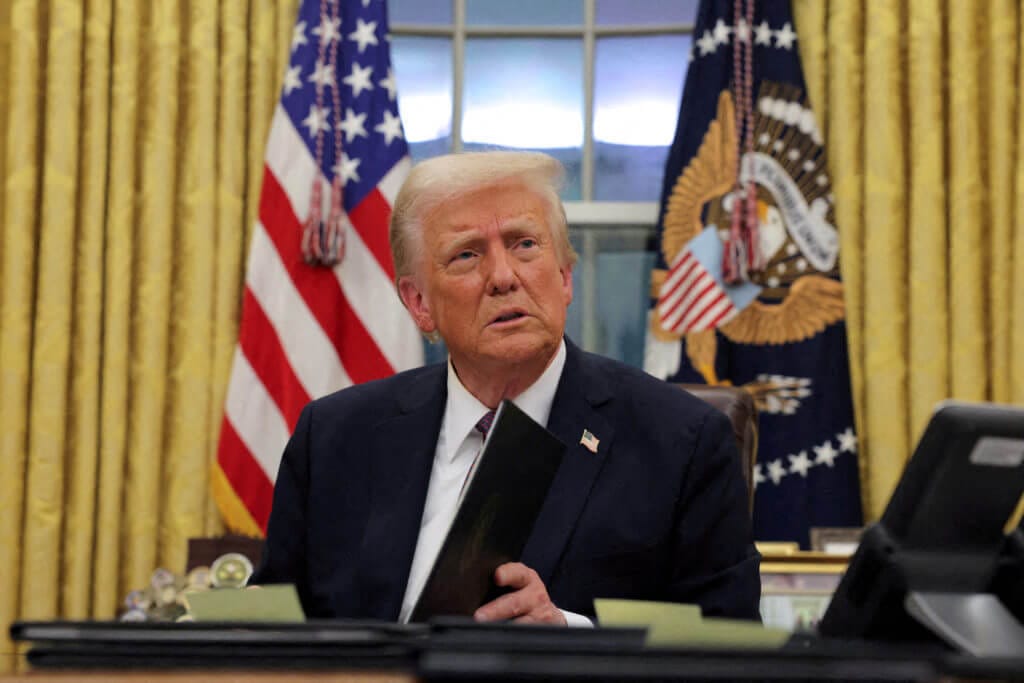
President Donald Trump has filed a $10 billion lawsuit against the Internal Revenue Service, alleging that the agency illegally leaked his confidential tax returns in a politically motivated breach of federal privacy laws.
The lawsuit filed in federal court claims that a “rogue, politically motivated” IRS employee unlawfully disclosed Trump’s private tax information to major news outlets, including The New York Times and ProPublica, in violation of statutes designed to protect taxpayer privacy.
At the center of the controversy is Charles Littlejohn, a former IRS contractor who pleaded guilty in October 2023 to a felony count of unauthorized disclosure of tax return information. He is currently serving a five‑year prison sentence for the offense.
According to the lawsuit, Littlejohn admitted in a 2024 deposition that the tax materials he leaked included detailed information about Trump’s business holdings. Prosecutors previously described the unauthorized disclosures as “unprecedented in its scope and scale.” The leak did not only involve Trump’s records, but also confidential data involving other wealthy individuals all of which Littlejohn sent to media organizations.
Trump’s legal team argues that the leaks were not random or accidental, but part of a politically driven effort to damage him and undermine his reputation.
A spokesperson for Trump’s legal team described the disclosures as the work of a “rogue, politically motivated” IRS employee and said the lawsuit seeks to hold the agency accountable for violating federal privacy protections.
Under federal law, tax return information is among the most strictly protected categories of data. The Internal Revenue Code (§ 6103) broadly prohibits disclosure of tax returns and return information except under very limited circumstances. Violations are punishable by fines and imprisonment the same statute Littlejohn was convicted under but the Trump complaint argues taxpayers harmed by such disclosures can also seek civil damages from the government.
Trump’s suit contends the leaks caused widespread harm, not only to his own privacy interests but also to the public’s confidence in the integrity and confidentiality of the tax system. The complaint asserts the disclosures “violated federal privacy laws” and “harm[ed] millions of Americans” whose data was exposed alongside Trump’s.
Littlejohn’s case became politically charged as well. In 2024, he refused to testify before Congress, citing his Fifth Amendment rights while appealing his sentence a move that fueled further controversy about how the leaks occurred and who may have been involved.
The lawsuit comes against the backdrop of ongoing disputes between Trump and federal authorities including over tax audits and investigations stretching back years. Trump has long argued that legal actions against him are politically motivated; this lawsuit marks an unprecedented bid to hold a federal agency directly accountable for alleged breaches of taxpayer confidentiality.
Legal experts say the case raises novel questions about government liability and taxpayer privacy:
Federal privacy laws are strict, but courts have been historically reluctant to award massive civil damages against the government for statutory violations of confidentiality.
Trump’s team will need to show not just that the leaks were illegal, but that the IRS as an institution can be held liable for actions of its contractor and that those leaks caused quantifiable harm.
The case could have broader implications for how tax data is protected and who can be sued when federal privacy protections are breached.
The IRS has not publicly commented on the suit. If the case proceeds, it could trigger extensive discovery into internal IRS practices, how sensitive data is handled, and what safeguards failed to prevent the leaks.
Whether a federal court will award anything close to the $10 billion sought by Trump remains uncertain. Still, the filing underscores his ongoing legal battles with federal institutions and adds a new front to his post‑presidential litigation strategy.
Share this article and subscribe to our newsletter for more updates on this high‑stakes legal fight.