- Conservative Fix
- Posts
- Trump Iran Ultimatum Enters Final Countdown
Trump Iran Ultimatum Enters Final Countdown
Donald Trump warns Tehran it has days to abandon nuclear ambitions as U.S. forces surge across the Middle East.

Jason Novak
February 26th, 2026 • Reading Time: 2 minutes
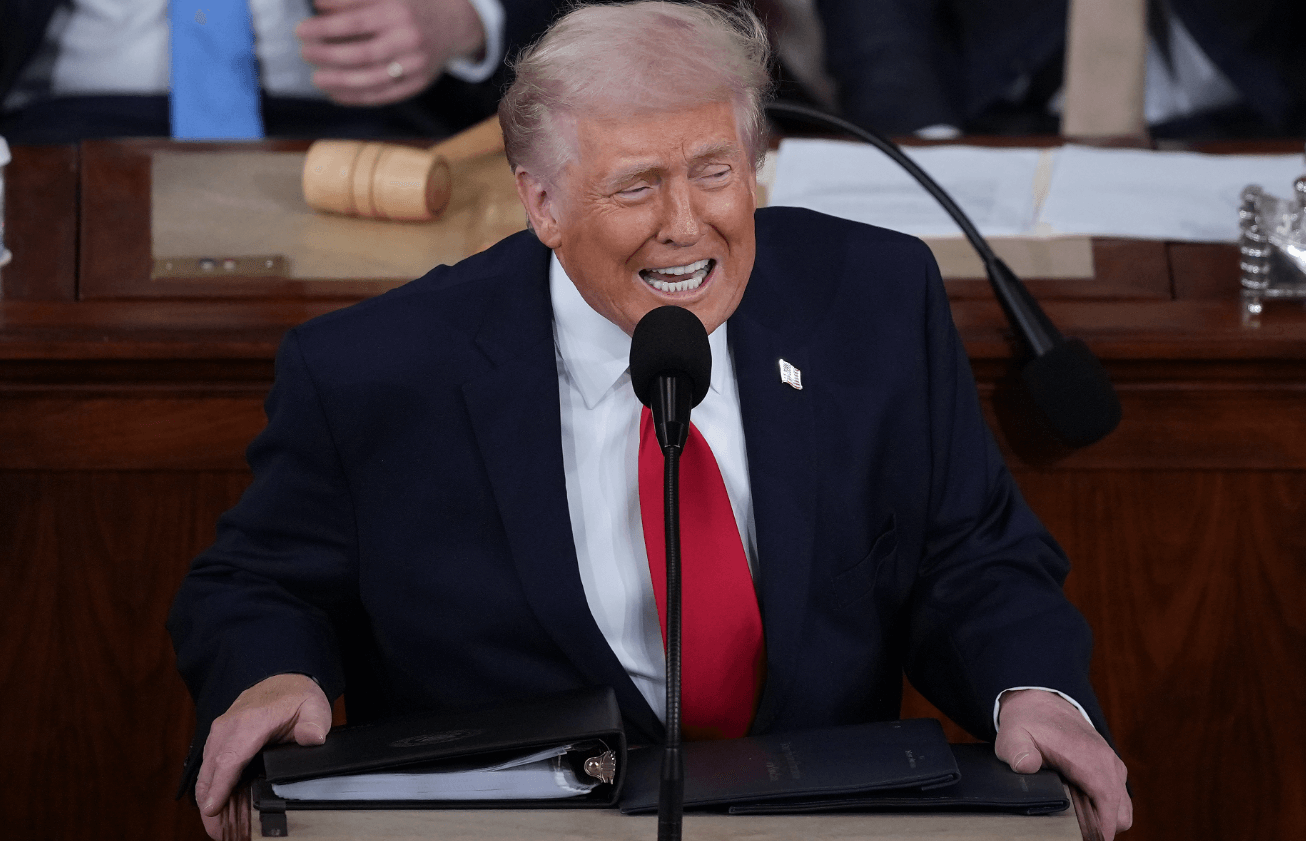
President Trump has drawn a bright red line with Iran and this time, it comes with a ticking clock.
After publicly giving Tehran roughly 10 to 15 days to agree to a nuclear deal, Trump used his State of the Union address to make clear that diplomacy is backed by force. The message was simple: renounce nuclear weapons entirely, or face consequences.
“I will never allow the world’s number one sponsor of terror to have a nuclear weapon,” Trump told Congress.
The Trump Iran ultimatum began taking shape in mid-February, when the president said the world would know within “10, 15 days” whether Iran was serious about making what he called a meaningful deal.
His core demand has not changed: Iran must explicitly declare it will never possess a nuclear weapon and halt uranium enrichment with verifiable safeguards.
Negotiations are ongoing in Geneva. But Trump made clear that Iran has not uttered the “secret words” he wants to hear.
The urgency reflects long-standing intelligence concerns. The International Atomic Energy Agency has repeatedly reported that Iran enriched uranium to levels approaching weapons-grade purity in recent years. Most nuclear experts estimate that once enrichment hits 60% or higher, the breakout time to weapons-grade 90% shortens dramatically.
In short, the clock has been running for years.
Unlike past diplomatic standoffs, this Trump Iran ultimatum is unfolding alongside one of the largest U.S. force postures in the region in decades.
The arrived in the eastern Mediterranean, joining the strike group operating in the Arabian Sea.
Between the two carrier groups:
14 major U.S. warships are deployed.
Nine Arleigh Burke-class destroyers are armed with Tomahawk cruise missiles.
12 F-22 Raptor stealth fighters have landed in southern Israel.
The F-22 is not symbolic hardware. It is designed to suppress enemy air defenses and clear a path for strategic bombers.
Trump also reminded lawmakers of Operation Midnight Hammer, the 2025 U.S. strike that utilized B-2 Spirit bombers and 30,000-pound bunker-buster munitions to hit hardened Iranian nuclear sites such as Fordow and Natanz.
That strike, according to the administration, severely degraded Iran’s nuclear infrastructure. But Trump now claims Tehran is attempting to rebuild.
The implication is unmistakable: the blueprint for military action already exists.
Iranian officials have publicly dismissed U.S. threats and warned that American forces in the region would become targets in the event of another strike.
Meanwhile, Trump has accused Iran’s regime of killing tens of thousands of protesters in recent unrest a figure significantly higher than independent estimates.
Both sides appear to believe the other may be bluffing.
Historically, Iran has used brinkmanship to extract concessions. The U.S., for its part, has relied on sanctions and targeted strikes to constrain Tehran’s ambitions. Iran’s economy has been battered by sanctions, with inflation rates exceeding 40% in recent years and oil exports fluctuating under enforcement pressure.
But nuclear capability changes the equation. Once a regime crosses the nuclear threshold, deterrence becomes exponentially more complex.
Administration officials have signaled that any agreement must:
End all uranium enrichment.
Allow intrusive, verifiable inspections.
Prevent reconstitution of the program.
Address missile development concerns.
Iran has historically resisted such sweeping terms.
The coming days will likely determine whether the Trump Iran ultimatum results in a negotiated concession or a sharper confrontation in the Middle East.
The presence of dual carrier strike groups, advanced stealth fighters, and strategic bombers is not routine. It is deliberate leverage.
Trump has framed this moment as a final opportunity for peace backed by overwhelming force.
If Tehran refuses, the next phase may look very different.
Share this article or subscribe to our newsletter for continued updates on the Trump Iran ultimatum and the future of U.S. national security policy.