- Conservative Fix
- Posts
- Trump Warns Iran: Destruction in Weeks?
Trump Warns Iran: Destruction in Weeks?
Former President issues stark warning amid rising nuclear tensions.
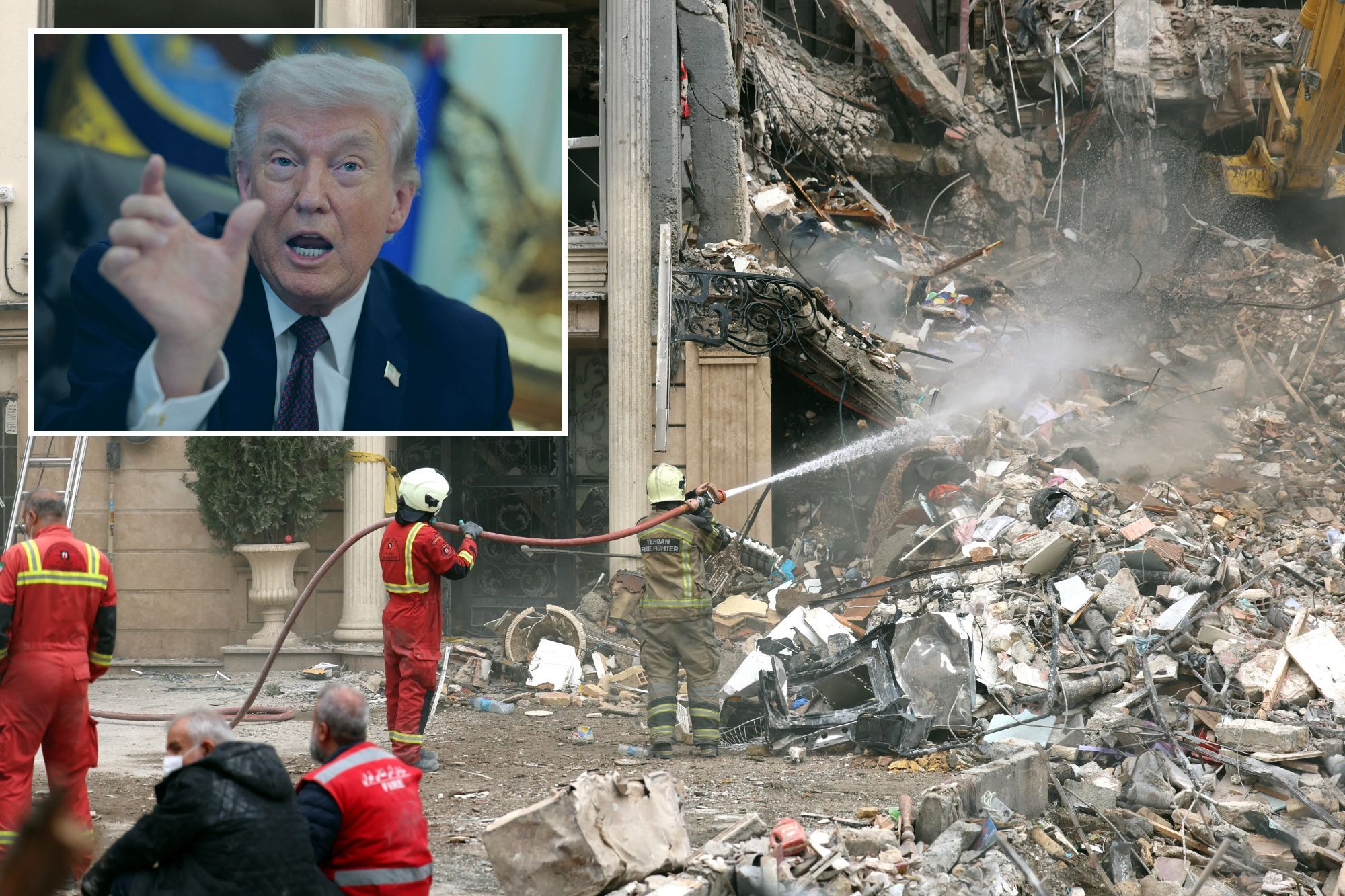
Trump Issues Dire Warning on Iran's Nuclear Program
Former President Donald Trump has once again weighed in on the escalating situation with Iran, issuing a stark warning about the potential for military action. Speaking at a recent rally, Trump asserted that the United States could swiftly dismantle Iran's nuclear infrastructure, stating the country would be "finished" in Iran within a matter of weeks if he were still in office.
This isn't the first time Trump has taken a hard line on Iran. During his presidency, he withdrew the United States from the Joint Comprehensive Plan of Action (JCPOA), commonly known as the Iran nuclear deal, a move that was sharply criticized by some international allies but praised by many conservatives who viewed the deal as deeply flawed and insufficient to prevent Iran from developing nuclear weapons. Trump reimposed sanctions on Iran, aiming to cripple its economy and force it back to the negotiating table to secure a more comprehensive agreement.
The Current State of US-Iran Relations
The relationship between the United States and Iran remains deeply strained. Negotiations to revive the JCPOA have stalled, and Iran has steadily increased its enrichment of uranium, edging closer to weapons-grade levels. The International Atomic Energy Agency (IAEA) has repeatedly raised concerns about Iran's lack of cooperation and transparency regarding its nuclear activities. As of late 2023, Iran possesses enough enriched uranium to produce "several" nuclear weapons if it chose to further enrich it, according to an IAEA report. This alarming development has heightened anxieties among Western powers and regional rivals alike.
The Biden administration has attempted to revive the JCPOA, but these efforts have been hampered by mutual distrust and disagreements over the terms of a potential agreement. Iran insists on guarantees that the United States will not withdraw from the deal again, while the United States demands greater access for IAEA inspectors and a longer-term commitment from Iran to refrain from nuclear weapons development. The back-and-forth has created a deadlock, leaving the future of the JCPOA uncertain and the risk of escalation ever-present.
Trump's Stance: A Return to 'Maximum Pressure'?
Trump's recent comments suggest a potential return to his "maximum pressure" strategy toward Iran. This approach, characterized by aggressive sanctions and a willingness to use military force if necessary, aims to deter Iran from pursuing nuclear weapons and destabilizing regional activities. During his presidency, Trump authorized the drone strike that killed Iranian General Qassem Soleimani, a move that brought the two countries to the brink of war.
"We want to knock out every single thing they have," Trump reportedly stated, signaling a willingness to take decisive action against Iran's nuclear facilities. This aggressive rhetoric reflects a belief that only a strong and uncompromising stance can prevent Iran from acquiring nuclear weapons. Critics of this approach argue that it risks further escalation and could lead to a devastating conflict, while supporters maintain that it is the only way to effectively contain Iran's ambitions. Even critics of the Trump approach acknowledge that Iran's ballistic missile program continued to advance during his presidency, despite the sanctions.
The Potential Consequences of Military Action
Any military action against Iran would have far-reaching consequences. Iran has repeatedly threatened to retaliate against any attack on its nuclear facilities, potentially targeting U.S. assets in the region, as well as its allies, including Israel and Saudi Arabia. A conflict with Iran could also disrupt global oil supplies, leading to a spike in prices and economic instability. The Strait of Hormuz, a critical waterway through which a significant portion of the world's oil passes, could be closed, further exacerbating the situation.
Moreover, a military intervention in Iran could destabilize the entire region, fueling sectarian conflicts and creating new opportunities for extremist groups. The United States has already been engaged in conflicts in the Middle East for decades, and another war could further strain resources and undermine U.S. credibility. A 2021 study by the Quincy Institute for Responsible Statecraft estimated that a war with Iran could cost the United States trillions of dollars and result in thousands of casualties.
Is Iran Truly Close to a Nuclear Weapon?
The question of how close Iran is to developing a nuclear weapon is a matter of intense debate. While Iran insists that its nuclear program is solely for peaceful purposes, such as generating electricity and producing medical isotopes, many Western intelligence agencies believe that Iran is actively pursuing a nuclear weapons capability. The aforementioned IAEA reports paint a concerning picture of Iran's uranium enrichment activities.
Iran has consistently denied seeking nuclear weapons, but its actions have raised serious doubts about its intentions. The country has violated key provisions of the JCPOA, including limits on uranium enrichment levels and the number of centrifuges it operates. It has also restricted access for IAEA inspectors to certain nuclear sites, further fueling suspicions about its activities. The Natanz nuclear facility, for example, has been the target of sabotage attacks, which Iran has blamed on Israel. These incidents have heightened tensions and further complicated efforts to resolve the nuclear issue diplomatically.
Alternatives to Military Action
Despite the challenges, diplomatic solutions to the Iranian nuclear issue remain the preferred option for many in the international community. A renewed and strengthened JCPOA, with stricter monitoring and verification mechanisms, could provide a framework for preventing Iran from developing nuclear weapons. However, reaching such an agreement requires a willingness from both sides to compromise and address each other's concerns. Some experts suggest exploring alternative approaches, such as a regional security architecture that includes Iran and its neighbors, aimed at de-escalating tensions and promoting cooperation.
Another potential avenue is to focus on addressing Iran's broader regional behavior, including its support for proxy groups and its involvement in conflicts in Syria, Yemen, and Iraq. By addressing these issues, the United States and its allies could reduce Iran's incentives to develop nuclear weapons and create a more stable regional environment. A key element of any successful strategy is to maintain a credible threat of military force, while simultaneously pursuing diplomatic solutions. This approach, known as "coercive diplomacy," aims to incentivize Iran to negotiate in good faith and comply with international norms. Even with sanctions in place, Iran's military spending has increased significantly in recent years, highlighting the complex nature of containing its ambitions.
The Future of US-Iran Relations
The future of US-Iran relations remains uncertain. Trump's recent comments underscore the deep divisions and the potential for escalation. While the Biden administration has expressed a desire to return to diplomacy, the path forward is fraught with challenges. Whether the two countries can find a way to coexist peacefully or are destined for further conflict remains to be seen. The stakes are high, not only for the United States and Iran, but for the entire region and the world.
The conservative perspective generally favors a strong stance against Iran, viewing its nuclear ambitions as a grave threat to U.S. national security and regional stability. This perspective emphasizes the need for deterrence and a willingness to use military force if necessary. It also highlights the importance of supporting U.S. allies in the region, such as Israel and Saudi Arabia, who share concerns about Iran's behavior. Ultimately, the goal is to prevent Iran from acquiring nuclear weapons and to contain its destabilizing influence in the Middle East. The next few years will be critical in determining the trajectory of US-Iran relations and the future of the Middle East. The risk of miscalculation or escalation is ever-present, underscoring the need for careful and strategic decision-making.