- Conservative Fix
- Posts
- Charities Accused of Funding Hamas Shut Down by U.S. Authorities
Charities Accused of Funding Hamas Shut Down by U.S. Authorities
What looked like humanitarian work was allegedly part of a wider financial pipeline feeding Hamas’s military machine.

Jason Novak
March 13th, 2026 • Reading Time: 3 minutes
The Trump administration is tightening the screws on Hamas’s global support network, and this time the target is one of the most cynical tools in the terror playbook fake charities dressed up as humanitarian relief.
In a major enforcement move, the Treasury Department’s Office of Foreign Assets Control sanctioned four overseas nonprofit groups accused of funneling money and material support to Hamas’s military wing. The message is simple groups that exploit charity to fund terrorism are going to be exposed, isolated, and cut off.
According to Treasury, the organizations hit with sanctions are Turkey-based Ghazi Destek Dernegi, Hayat Yolu, and Palestinian White Hands, along with Indonesia-based Komite Nasional Untuk Rakyat Palestina. Officials say these entities presented themselves as relief organizations while allegedly serving as financial and logistical channels for the Izz al-Din al-Qassam Brigades, Hamas’s armed wing.
That matters for one reason above all others: Hamas has long depended on front networks, foreign facilitators, and sympathetic donors abroad to keep its operations alive. What Treasury described here was not a paperwork violation or a technical compliance issue. It was an alleged pipeline into a terrorist apparatus.
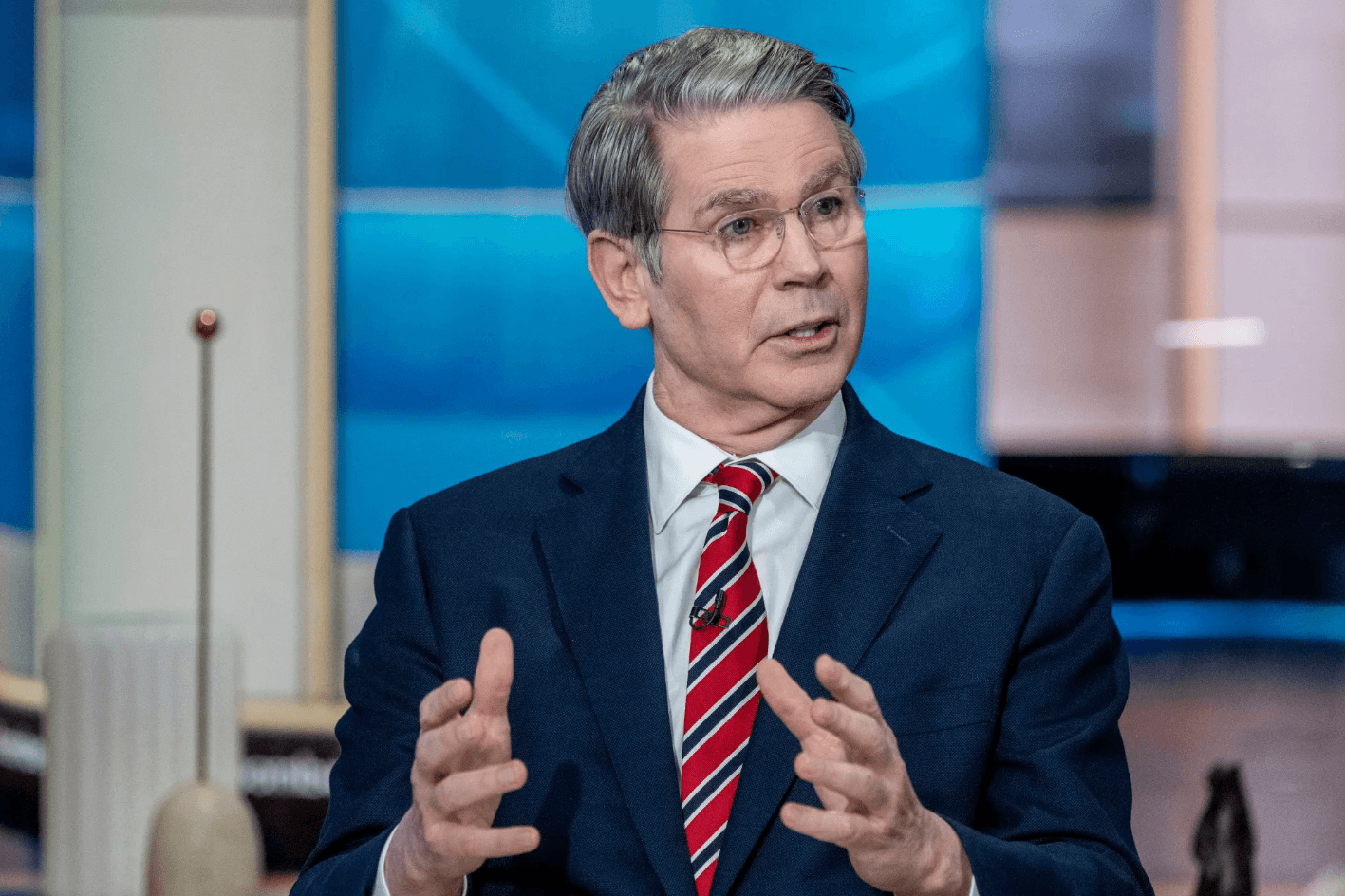
Secretary of the Treasury Scott Bessent said Hamas “continues to finance its military wing by exploiting sham charities to support terrorist operations,” and the administration is moving to make sure the American financial system is not used to enable that scheme.
Treasury’s findings paint a familiar picture:
Ghazi Destek Dernegi allegedly worked with previously sanctioned entities and helped finance projects benefiting Hamas
Palestinian White Hands was described as integrated into Hamas’s military security structure
KNRP in Indonesia was accused of coordinating directly with Hamas to distribute supplies intended specifically for fighters
Hayat Yolu was identified as both an operational and financial node tied to the Muslim Brotherhood
This is exactly why terror finance enforcement matters. The modern terror economy does not always run through obvious shell companies or suitcases of cash. It often runs through polished branding, emotional fundraising appeals, and institutions that count on the public never looking too closely.
The sanctions also did not come out of nowhere. Treasury said this latest action builds on earlier moves from June 10, 2025, and January 21, 2026, both aimed at disrupting Hamas-linked fundraising and support structures. In other words, this is part of a sustained campaign, not a one-day headline.
That broader context is worth noting. Treasury had already imposed multiple rounds of Hamas-related sanctions after the October 7 terrorist attack on Israel. By January 22, 2024, the department said it had already carried out a fifth round of sanctions since that massacre. Before that, on October 18, 2023, Treasury targeted 10 key Hamas members, operatives, and financial facilitators across several countries. The pattern is clear: Hamas survives not only through weapons and propaganda, but through an international finance network that must be dismantled piece by piece.
Americans should also understand what these sanctions actually do. Once an entity is designated under Executive Order 13224, any property or interests in property subject to U.S. jurisdiction are blocked. Americans are generally barred from doing business with the designated groups, and foreign financial institutions that knowingly facilitate major transactions for them can face serious consequences, including losing access to the U.S. financial system.
That kind of pressure matters because terror groups need access, movement, and plausible cover. Strip those away, and their room to operate shrinks.
Hamas has been designated by the United States as a Foreign Terrorist Organization since 2001. That is not a symbolic label. It reflects the longstanding reality that Hamas is not a charity, not a grassroots aid network, and not a misunderstood political project. It is a terrorist organization that has repeatedly relied on outside money, outside infrastructure, and outside enablers.
The charitable sector exists to relieve suffering, not to launder support for jihadist violence. When front groups hijack that space, they do more than break the law. They poison trust in legitimate aid and exploit the goodwill of donors who believe they are helping civilians.
The Trump administration’s move is a reminder that national security is not only about border policy, military readiness, or battlefield deterrence. It is also about financial vigilance. Terror groups need money as much as they need ideology, and every fake charity exposed is one less mask for the machinery behind Hamas.
Share this article or subscribe to our newsletter for updates with someone who still thinks terror finance is a secondary issue.