- Conservative Fix
- Posts
- Southwest Airlines Ends Open Seating After 53 Years
Southwest Airlines Ends Open Seating After 53 Years
The once-unique airline adopts assigned seating and baggage fees, abandoning its customer-first identity.

Michelle Sutter
January 28th, 2026 • Reading Time: 2 minutes
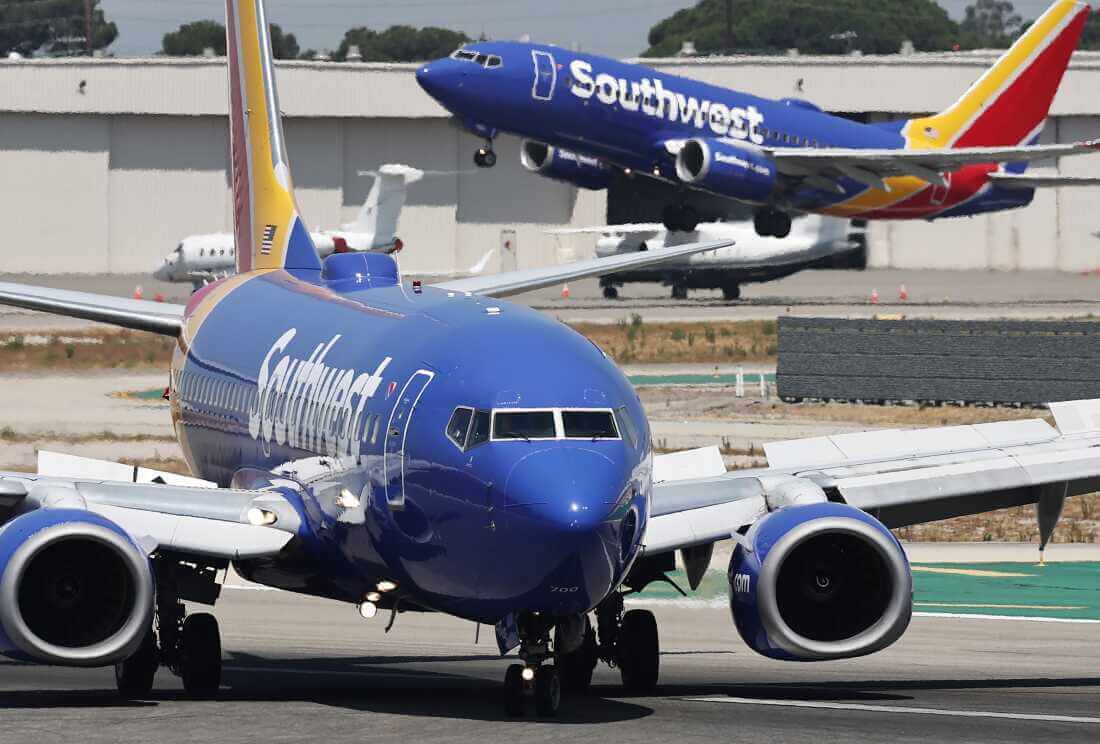
Southwest Airlines, once praised for its no-frills, customer-friendly approach, has officially closed the chapter on a 53-year tradition. Starting January 27, the airline will move to an assigned seating model, ending the famously chaotic but oddly democratic boarding process that let passengers choose their seats on a first-come, first-served basis.
Dubbed an “orderly boarding approach” by Southwest’s corporate spin machine, this shift marks the airline’s most dramatic departure yet from what once set it apart from the rest of the Big Three.
Gone are the days of lining up by boarding group, scouring the cabin for a good seat, or saving a spot for your travel companion. In its place, travelers now face a seating chart eerily similar to what you'll find on American, Delta, or United. The new options include:
Extra Legroom – Seats near the front and exit rows offering 3-5 inches of extra space, early boarding, bin access, a snack upgrade, and one complimentary premium drink.
Preferred – Standard seats located closer to the front of the plane.
Standard – Basic seats at the rear of the cabin with no perks or upgrades.
It’s no coincidence that this change comes just months after Southwest scrapped its “bags fly free” policy another customer-friendly feature that once made it a fan favorite. Now, the airline charges $35 for the first checked bag and $45 for the second, aligning itself with the exact same fee-heavy tactics it once stood against.
Southwest’s membership system has also been reshuffled to align with its new structure. A-List Preferred and A-List Members can now pre-select premium seats for free, while customers with a Southwest credit card can pick their seat within 48 hours of departure. Basic fare flyers? They’ll get whatever standard seat is handed to them at the gate.
Executive VP Tony Roach pitched the overhaul as a way to “remove the uncertainty” from air travel. But let’s be honest this isn’t about customer comfort. It’s about revenue and reshaping the airline to fit into the cookie-cutter mold of its larger competitors.
What Southwest once offered that made it different is quickly being erased:
Open seating gave families flexibility and removed class-based boarding tiers.
Free bags simplified the experience and avoided hidden costs.
Boarding by group number minimized delays and skipped the seat-selection nickel-and-diming.
Now, with this new policy, it’s pay-to-play. More legroom? That’ll cost you. Better boarding position? That too. Want to sit with your family? Better hope you paid for it—or got lucky.
In reality, Southwest's decision is just another sign of the corporate shift happening across American air travel. The customer-first mindset is fading fast, replaced by price gouging and loyalty schemes designed to squeeze every last dollar out of passengers.
And let’s not forget: this is the same airline that left 2 million travelers stranded in December 2022 due to outdated scheduling software. It took a public relations beating, but instead of investing in meaningful system upgrades, it’s decided to double down on profit-first policies.
A few key facts:
Southwest’s annual baggage fee revenue is projected to exceed $1.2 billion post-policy change.
The airline’s customer satisfaction rating has dropped 18% since 2022.
U.S. airline industry complaints increased 55% in 2023, with seat fees and surprise costs leading the list.
This new era for Southwest might be “orderly” for executives and shareholders but for millions of everyday travelers, it’s just more corporate nonsense dressed up as customer care.
Share this story with someone who’s flown Southwest for years or subscribe to our newsletter for more updates airlines don’t want you to see.