- Conservative Fix
- Posts
- Senate Must Act Now To Secure Elections
Senate Must Act Now To Secure Elections
America's election integrity hangs in the balance; decisive action is needed to restore faith in our democratic process.
The Looming Crisis of Election Integrity
The integrity of American elections is facing a multi-faceted crisis. Public trust is eroding, partisan divides are widening, and the potential for foreign interference remains a persistent threat. The United States Senate bears a significant responsibility to address these challenges head-on and enact meaningful reforms to safeguard the democratic process.
At the heart of the issue is a growing distrust in the accuracy and fairness of election results. This distrust is fueled by a combination of factors, including allegations of voter fraud, concerns about voting machine security, and the spread of misinformation and disinformation online. According to a recent Pew Research Center study, only 55% of Americans are confident that elections are conducted fairly and accurately. This represents a significant decline from previous years and underscores the urgent need for action.
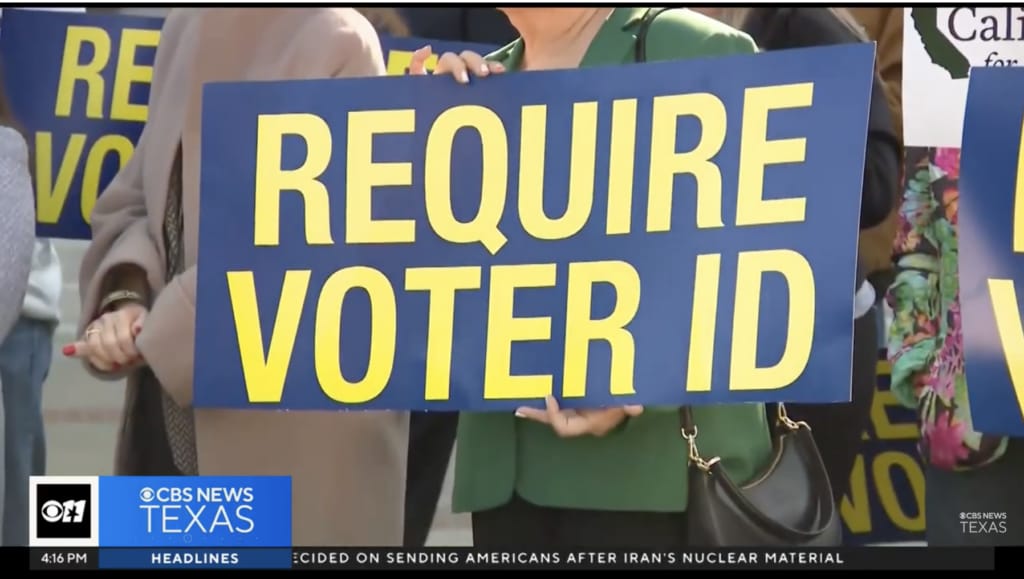
Voter ID Laws: A Necessary Safeguard?
One of the most contentious issues in the debate over election integrity is voter identification. Proponents of voter ID laws argue that they are necessary to prevent voter impersonation and ensure that only eligible citizens are casting ballots. They point to instances of alleged voter fraud as evidence that stricter ID requirements are needed. Opponents, on the other hand, contend that voter ID laws disproportionately disenfranchise minority voters, low-income individuals, and the elderly, who may have difficulty obtaining the required identification. They argue that voter impersonation is rare and that voter ID laws are a thinly veiled attempt to suppress voter turnout.
The Supreme Court has addressed the issue of voter ID laws in several cases, upholding the constitutionality of some laws while striking down others. The Court has generally held that voter ID laws are permissible as long as they are not unduly burdensome and do not discriminate against any particular group of voters. However, the debate over voter ID laws continues to rage, with both sides fiercely advocating for their respective positions.
The Specter of Voter Fraud
Allegations of voter fraud have become increasingly common in recent years, particularly in the wake of closely contested elections. While instances of widespread voter fraud are rare, even isolated incidents can undermine public confidence in the integrity of the electoral process. Common types of alleged voter fraud include voter impersonation, double voting, and fraudulent registration.
A 2017 study by the Brennan Center for Justice found that the rate of voter fraud in the United States is extremely low, ranging from 0.0003% to 0.0025%. However, these findings have not quelled concerns among some Americans, who remain convinced that voter fraud is a significant problem. These concerns are often amplified by partisan media outlets and social media platforms, which can contribute to the spread of misinformation and disinformation.
The Heritage Foundation maintains a database of proven instances of voter fraud across the country. While the database does not necessarily reflect the overall prevalence of voter fraud, it does provide evidence that such incidents do occur and that they can have a significant impact on election outcomes. For example, in one case in North Carolina, a political operative was convicted of fraudulently collecting and submitting absentee ballots, potentially altering the outcome of a congressional election.
Voting Machines: Security Vulnerabilities and Concerns
The security of voting machines is another area of growing concern. Many voting machines are aging and vulnerable to hacking or tampering. Some machines do not produce a paper trail, making it difficult to audit election results and verify their accuracy. In 2019, researchers at the University of Pennsylvania demonstrated how easily some commonly used voting machines could be compromised.
Election security experts have long warned about the potential for foreign interference in U.S. elections. In 2016, Russian hackers targeted state election systems and attempted to access voter registration databases. While there is no evidence that these efforts altered the outcome of the election, they did expose vulnerabilities in the U.S. election infrastructure.
To address these concerns, many states are upgrading their voting machines and implementing stricter security protocols. However, these efforts are often hampered by funding constraints and bureaucratic obstacles. The Help America Vote Act (HAVA), passed in 2002, provided funding to states to upgrade their voting equipment, but this funding has largely dried up in recent years. According to the Election Assistance Commission, the estimated cost of replacing all of the aging voting machines in the United States is several billion dollars.
The Role of Mail-In Voting
Mail-in voting has become increasingly popular in recent years, particularly in response to the COVID-19 pandemic. Proponents of mail-in voting argue that it makes voting more accessible and convenient, particularly for those who are unable to vote in person. Opponents, on the other hand, contend that mail-in voting is more susceptible to fraud and that it can lead to delays in election results.
Research on the security of mail-in voting is mixed. Some studies have found that mail-in voting is no more susceptible to fraud than in-person voting, while others have found that it can increase the risk of certain types of fraud, such as ballot harvesting. Ballot harvesting refers to the practice of collecting and submitting absentee ballots on behalf of other people. Some states have laws that prohibit or restrict ballot harvesting, while others allow it.
The 2020 election saw a significant increase in the use of mail-in voting, due in part to the COVID-19 pandemic. This led to unprecedented challenges for election officials, who had to process a massive influx of absentee ballots. In some states, the counting of mail-in ballots took several days, leading to delays in the announcement of election results. These delays fueled conspiracy theories and undermined public confidence in the integrity of the election.
The Impact of Misinformation and Disinformation
The spread of misinformation and disinformation online is a growing threat to election integrity. False or misleading information can influence voters' opinions, discourage them from voting, or even incite violence. Social media platforms have struggled to combat the spread of misinformation, and many users continue to be exposed to false or misleading information about elections.
A study by the Massachusetts Institute of Technology (MIT) found that false news spreads faster and reaches more people on social media than true news. This is due in part to the fact that false news is often more sensational and emotionally charged than true news, making it more likely to be shared and amplified. The study also found that social media algorithms can contribute to the spread of misinformation by prioritizing content that is likely to generate engagement, regardless of its accuracy.
Foreign governments have also been known to use social media to spread misinformation and disinformation in an attempt to influence U.S. elections. In 2016, Russian operatives used social media platforms to spread false and misleading information about Hillary Clinton and Donald Trump. These efforts were designed to sow discord and undermine public confidence in the U.S. political system.
Possible Solutions: A Path Forward
Addressing the crisis of election integrity requires a multi-pronged approach that addresses the underlying causes of distrust and vulnerability. The Senate must take the lead in enacting meaningful reforms to safeguard the democratic process.
One potential solution is to pass legislation that establishes national standards for voter identification. Such legislation would help to ensure that all voters are who they say they are and that only eligible citizens are casting ballots. However, any voter ID law must be carefully crafted to avoid disenfranchising minority voters or other vulnerable groups.
Another potential solution is to provide funding to states to upgrade their voting machines and implement stricter security protocols. This would help to ensure that voting machines are secure and that election results are accurate and verifiable. The federal government could also provide technical assistance to states to help them improve their election security.
The Senate could also pass legislation that addresses the spread of misinformation and disinformation online. Such legislation could require social media platforms to take steps to combat the spread of false or misleading information about elections. It could also provide funding for media literacy education to help people better distinguish between credible and non-credible sources of information.
Furthermore, strengthening protections for election workers is critical. The Department of Justice reported a significant increase in threats against election officials following the 2020 election. Congress should consider legislation that enhances penalties for those who threaten or intimidate election workers, ensuring they can perform their duties without fear of violence or harassment.
Finally, promoting transparency in election administration is essential. This includes making election data publicly available, allowing for robust post-election audits, and ensuring that all parties have access to the electoral process. Increased transparency can help to build trust in the integrity of elections and reduce the potential for disputes.
The challenges facing American elections are significant, but they are not insurmountable. By taking decisive action, the Senate can help to restore faith in the democratic process and ensure that elections are fair, accurate, and secure.