- Conservative Fix
- Posts
- Russiagate's Tangled Web Still Unraveling
Russiagate's Tangled Web Still Unraveling
Years later, the full scope of the Russiagate scandal's corruption and political motivations continues to emerge.
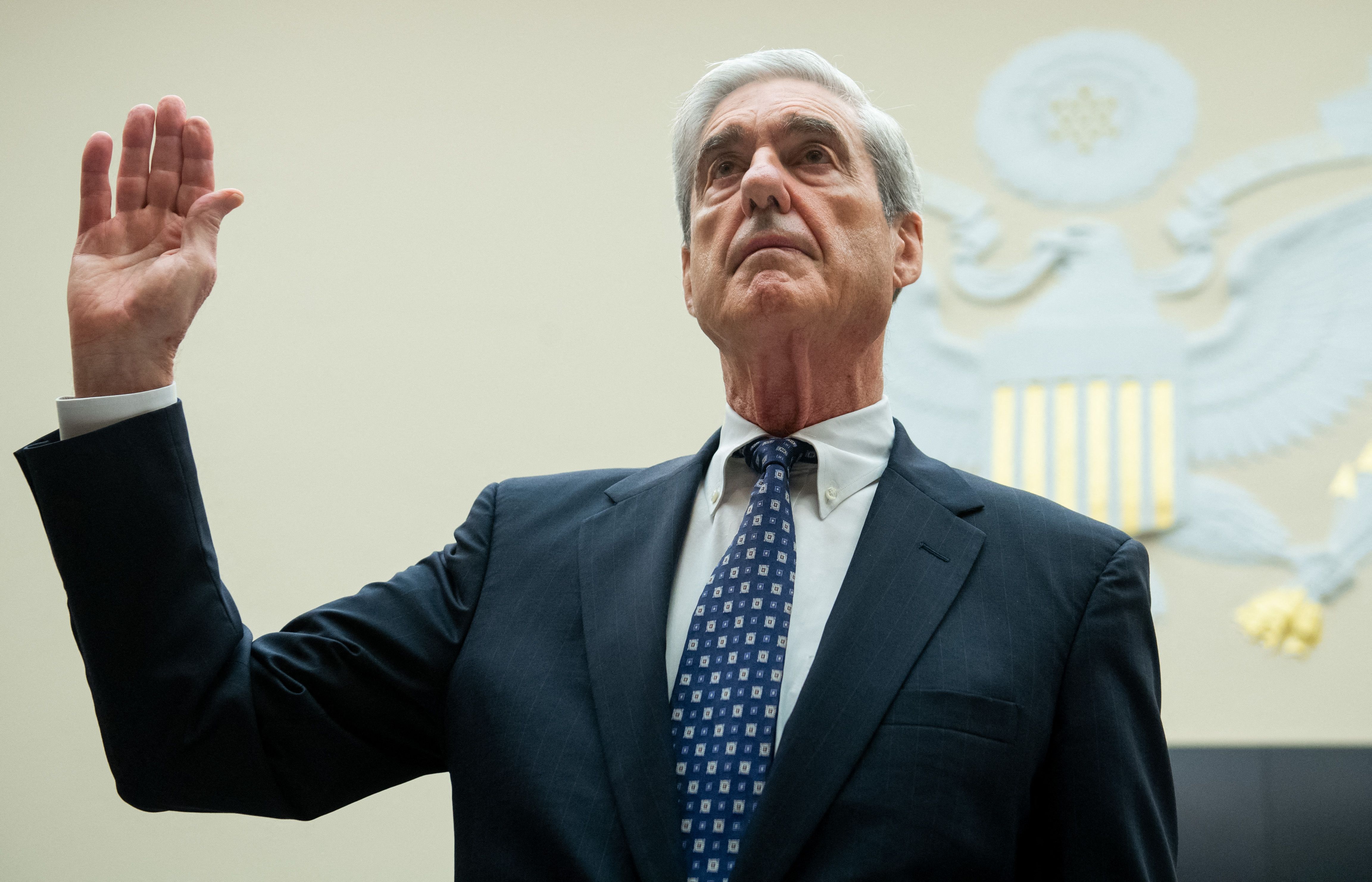
Russiagate's Enduring Stain on American Justice
The Russiagate scandal, the sprawling investigation into alleged collusion between Donald Trump's 2016 presidential campaign and the Russian government, continues to cast a long shadow over American politics and the justice system. What began as a series of leaks and innuendo has morphed into a complex narrative of political maneuvering, intelligence agency overreach, and media malpractice. While the official investigations have concluded, the full implications of Russiagate are still being assessed, with new information continuing to surface and fuel the debate about its origins, scope, and impact.
The Genesis of the Investigation
The initial impetus for the Russiagate investigation stemmed from concerns about Russian interference in the 2016 election. Reports of hacking into the Democratic National Committee (DNC) and the subsequent release of damaging emails raised alarm bells about potential foreign influence. These concerns were amplified by reports of contacts between Trump campaign officials and individuals with ties to Russia. However, the investigation quickly expanded beyond these initial concerns, encompassing a wider range of individuals and activities.
A key turning point was the emergence of the Steele dossier, a collection of memos compiled by former British intelligence officer Christopher Steele. The dossier contained salacious and unverified allegations about Trump's personal and financial ties to Russia. While the dossier was widely circulated among journalists and government officials, its credibility was immediately questioned, particularly its reliance on anonymous sources. Despite these concerns, the Steele dossier played a significant role in shaping the narrative of Russiagate and fueling the investigation.
The Mueller Investigation
In May 2017, Special Counsel Robert Mueller was appointed to lead the investigation into Russian interference. Mueller's team of prosecutors and investigators spent nearly two years conducting a comprehensive investigation, interviewing hundreds of witnesses, and reviewing millions of documents. The Mueller Report, released in April 2019, concluded that the Russian government had engaged in a systematic effort to interfere in the 2016 election. The report detailed numerous contacts between the Trump campaign and individuals with ties to Russia, but it did not establish sufficient evidence to conclude that the Trump campaign had conspired or coordinated with the Russian government in these efforts.
The Mueller Report did, however, examine potential instances of obstruction of justice by President Trump. The report outlined ten episodes involving potential obstruction but ultimately declined to make a prosecutorial judgment on whether Trump had committed a crime. Attorney General William Barr subsequently concluded that the evidence was not sufficient to establish obstruction of justice.
Unanswered Questions and Lingering Doubts
Despite the conclusion of the Mueller investigation, many questions about Russiagate remain unanswered. Critics have questioned the origins of the investigation, suggesting that it was politically motivated and based on flimsy evidence. They point to the role of the Steele dossier and the involvement of the FBI in obtaining a warrant to surveil Trump campaign advisor Carter Page as evidence of government overreach. The Foreign Intelligence Surveillance Act (FISA) warrant obtained against Page was based in part on information from the Steele dossier, raising concerns about the reliability of the intelligence used to justify the surveillance.
Specifically, the FISA application failed to disclose that the Steele dossier was funded by the Democratic National Committee and the Hillary Clinton campaign, creating a serious conflict of interest and undermining the credibility of the evidence. This omission, uncovered later by Department of Justice Inspector General Michael Horowitz, led to intense scrutiny of the FBI's handling of the investigation. Horowitz's report found numerous errors and omissions in the FISA applications, raising serious questions about the FBI's objectivity and adherence to proper procedures. According to the report, there were at least 17 significant errors and omissions in the applications to surveil Carter Page.
Furthermore, the role of other government agencies, including the CIA, in the Russiagate investigation has come under scrutiny. Some have alleged that intelligence officials improperly used their authority to target Trump and his associates. These allegations have fueled calls for further investigation into the origins and conduct of the Russiagate investigation.
The Political Fallout
The Russiagate scandal has had a profound impact on American politics. It has deepened partisan divisions and fueled distrust in government institutions. The investigation became a lightning rod for political debate, with Democrats accusing Trump of treason and Republicans accusing the Democrats of engaging in a witch hunt. The controversy has also damaged the credibility of the media, with many outlets accused of biased reporting and sensationalism. A Harvard study found that CNN and MSNBC devoted over 90% of their Trump coverage to negative stories during the peak of the Russiagate investigation.
Moreover, the Russiagate scandal has raised serious questions about the role of intelligence agencies in domestic politics. The use of surveillance powers against political opponents has raised concerns about potential abuses of power and the erosion of civil liberties. The scandal has also highlighted the need for greater transparency and accountability in government.
The Durham Investigation and Beyond
In 2019, Attorney General William Barr appointed John Durham, a U.S. Attorney, to conduct a review of the origins of the Russiagate investigation. Durham's investigation has focused on the conduct of government officials and intelligence agencies in the lead-up to the Mueller investigation. His work has resulted in indictments of several individuals, including former FBI lawyer Kevin Clinesmith, who pleaded guilty to altering an email used in the FISA application against Carter Page. The Durham Report, released in May 2023, concluded that the FBI should never have launched its full investigation into alleged links between the Trump campaign and Russia, and that it was based on "raw, unanalyzed, and uncorroborated intelligence."
According to the Durham Report, the FBI applied a different standard when investigating Trump than it did for other political campaigns. The report found that the FBI failed to adequately scrutinize the Steele dossier and relied too heavily on unverified information. This has led to accusations of political bias and a double standard in the application of justice.
The Ongoing Debate
The Russiagate scandal continues to be a subject of intense debate and scrutiny. While some believe that the investigation was justified and necessary to protect American democracy from foreign interference, others argue that it was a politically motivated attack on President Trump. The truth likely lies somewhere in between. The scandal has exposed serious flaws in the American justice system and the political process. It has also highlighted the need for greater vigilance in protecting against foreign interference and ensuring that government officials are held accountable for their actions. The Rasmussen Reports consistently found that a majority of Republican voters believed the Russiagate investigation was a "witch hunt" designed to damage Trump's presidency.
Moving forward, it is essential to learn from the mistakes of the Russiagate scandal and to implement reforms that will prevent similar abuses from happening in the future. This includes strengthening oversight of intelligence agencies, ensuring that FISA warrants are based on reliable evidence, and promoting transparency and accountability in government. Only then can we restore trust in our institutions and protect the integrity of our democracy. A 2020 Gallup poll showed that public trust in the federal government was at a near-historic low, with only 24% of Americans saying they had a "great deal" or "fair amount" of trust in the government to handle domestic problems.
The Enduring Lessons
The Russiagate saga serves as a stark reminder of the fragility of democratic institutions and the importance of upholding the rule of law. It underscores the need for a vigilant press, an independent judiciary, and a citizenry that is informed and engaged. As the aftershocks of Russiagate continue to reverberate through American society, it is crucial to engage in a sober and honest assessment of what happened, why it happened, and how to prevent it from happening again. The future of American democracy may depend on it. One of the most significant lessons is that even well-intentioned efforts to protect national security can go awry if not subjected to rigorous oversight and accountability. The legacy of Russiagate will undoubtedly shape the political landscape for years to come.