- Conservative Fix
- Posts
- Rubio and Ukraine Officials Outline Peace Framework in Miami Talks
Rubio and Ukraine Officials Outline Peace Framework in Miami Talks
As Trump’s 28-point plan gains momentum, Kyiv signals openness while pushing back on key territorial concessions.

Michelle Sutter
December 1st, 2025 • Reading Time: 2 minutes
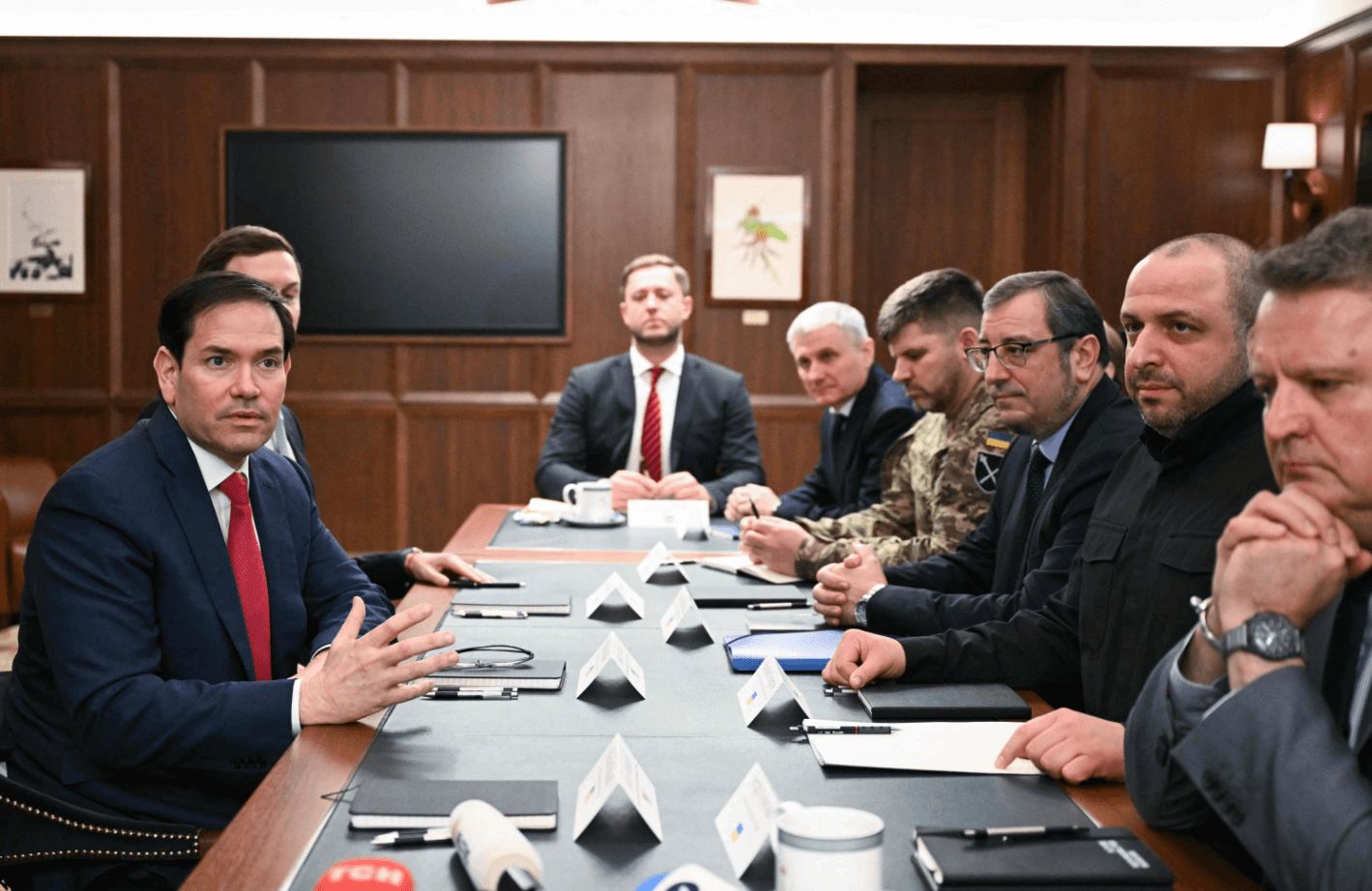
In a quiet but potentially historic diplomatic meeting, Secretary of State Marco Rubio hosted top Ukrainian officials in Miami on Sunday to begin formal discussions around a peace framework aimed at ending the brutal Russia-Ukraine war an initiative born from President Donald Trump’s original 28-point plan.
Rubio was joined by Trump envoy Steve Witkoff and former senior adviser Jared Kushner, while Ukraine’s delegation was led by Rustem Umerov, chairman of Ukraine’s National Security and Defense Council. The meeting marked a major development in Trump’s behind-the-scenes effort to resolve the conflict that the Biden administration failed to prevent, prolong, or de-escalate.
“The end goal is not just the end of the war,” Rubio said in opening remarks. “It’s also about securing an end that leaves Ukraine sovereign, independent, and with the chance at real prosperity.”
Umerov, speaking after Rubio, offered gratitude for the Trump team’s engagement, calling the U.S. a steadfast partner:
“We are thankful for the efforts of the United States and its team. U.S. is hearing us, supporting us, and beside us.”
The meeting comes as Washington’s proposed peace framework undergoes revisions following stiff objections from Ukraine on several key issues including territorial concessions, military limitations, and long-term security guarantees.
Here’s what’s unfolding behind closed doors:
Ukraine has refused to accept caps on its military force, citing ongoing threats from Russia and a need for robust self-defense.
The U.S. has reportedly floated terms involving the acknowledgment but not formal recognition of Russian-held areas, a sticking point that Ukrainian leaders say undermines their sovereignty.
Russia, while reviewing the updated proposal, has insisted that Ukraine “abandon occupied territories” a demand Kyiv has flatly rejected.
President Trump’s original plan, crafted during his first term and updated by his post-presidency team, offers a structured roadmap to end the war without dragging America into another endless foreign entanglement. Unlike the Biden administration, which poured over $115 billion in aid into Ukraine with little accountability, Trump’s approach emphasizes negotiated resolution, strategic leverage, and post-war reconstruction all without surrendering American priorities.
Ukrainian President Volodymyr Zelensky, once resistant to diplomacy under pressure from the D.C. foreign policy establishment, has now signaled a more pragmatic stance.
“The American side is demonstrating a constructive approach,” Zelensky said. “In the coming days, it is feasible to flesh out the steps to determine how to bring the war to a dignified end.”
Sources close to the Trump team say significant progress has been made on aligning shared interests ending bloodshed, restoring Ukrainian autonomy, and preventing future Russian aggression but public details remain tightly held.
Last week, the Kremlin confirmed it had received the latest version of the framework. Top Putin aide Yuri Ushakov acknowledged possession of the document but withheld judgment, stating it “requires serious analysis and discussion.”
Meanwhile, Biden’s foreign policy team remains conspicuously absent from the process, continuing its pattern of failure on the global stage from Afghanistan to Israel, and now in Ukraine. It’s no coincidence that meaningful talks are happening under the Trump banner not the Biden administration’s watch.
Trump’s emerging diplomacy signals a pivot in global leadership, with Rubio and Kushner laying the groundwork for peace through strength, not surrender.
While it remains to be seen whether the final terms will satisfy all parties, one thing is clear: Trump’s leadership is once again bringing adversaries to the table and allies back to the conversation.
Share this article or subscribe to our newsletter for updates for more foreign policy updates from a pro-America perspective.