- Conservative Fix
- Posts
- Ranked-Choice Voting Halted in Ohio, Indiana
Ranked-Choice Voting Halted in Ohio, Indiana
Conservative lawmakers move to protect election integrity.
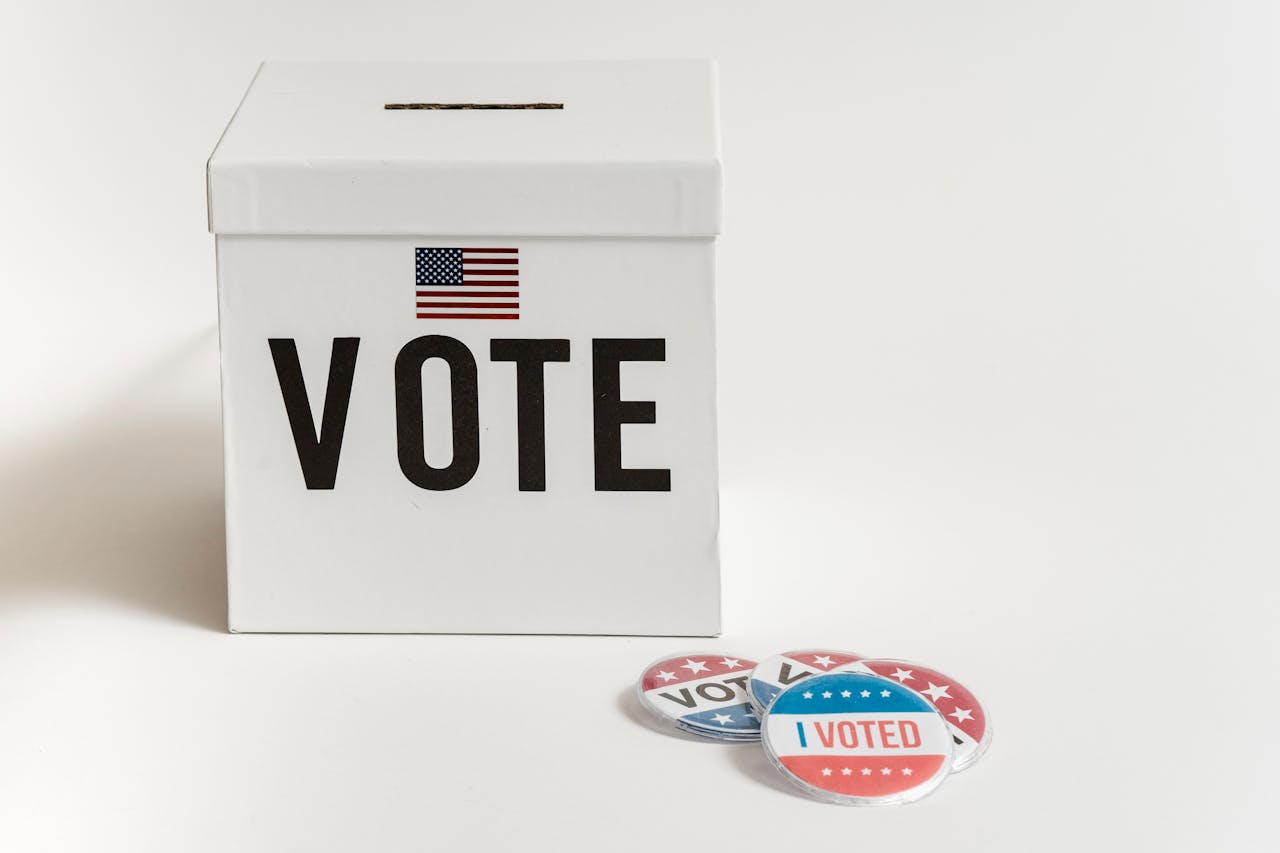
Ranked-Choice Voting Rejected by Key States
Ohio and Indiana have recently enacted legislation effectively banning or severely restricting the implementation of ranked-choice voting (RCV) in their elections. These moves, championed by conservative lawmakers, are framed as necessary measures to safeguard election integrity and prevent voter confusion. Proponents of the bans argue that RCV is complex, prone to manipulation, and ultimately undermines the principle of 'one person, one vote'.
The Mechanics of Ranked-Choice Voting
Ranked-choice voting, also known as instant runoff voting, differs significantly from traditional voting methods. Instead of selecting a single candidate, voters rank candidates in order of preference. If no candidate receives a majority of first-choice votes, the candidate with the fewest votes is eliminated, and their votes are redistributed to the voters' next choice. This process continues until a candidate secures a majority. Supporters claim this system leads to more moderate candidates and reduces negative campaigning, as candidates need to appeal to a broader range of voters to secure second and third-place rankings.
Ohio's Legislative Action
In Ohio, the legislation explicitly prohibits the use of RCV in statewide and local elections. State Representative Bill Seitz, a key proponent of the ban, stated, 'We're not going to let the horrors of ranked-choice voting corrupt our elections here in Ohio.' Seitz and others argue that RCV is confusing for voters, particularly those who are less familiar with the nuances of the system. They also express concerns about the potential for errors and manipulation in the vote-counting process. This concern echoes a broader conservative skepticism toward changes in election procedures, often citing the need for simplicity and transparency to maintain public trust.
Indiana Follows Suit
Indiana took similar action, effectively preventing the adoption of RCV. Lawmakers there echoed concerns about voter confusion and the complexity of the system. The Indiana law specifically addresses concerns about the potential for 'ballot exhaustion,' where voters' ballots become invalid because all their ranked choices have been eliminated during the tabulation process. Opponents of the ban, largely Democrats and voting rights advocates, argue that it limits voter choice and stifles innovation in election administration.
Conservative Arguments Against RCV
The conservative opposition to RCV is rooted in several key arguments. First, there's the concern about voter confusion. Opponents argue that the system is simply too complicated for many voters to understand, leading to unintentional disenfranchisement. They point to examples from other jurisdictions where RCV has been implemented, citing reports of voter confusion and errors in the tabulation process.
Second, there's the issue of ballot exhaustion. As mentioned earlier, this occurs when a voter's ranked choices are all eliminated, effectively nullifying their vote in the later rounds of counting. Critics argue that this disproportionately affects voters who support less popular candidates, effectively silencing their voices.
Third, some conservatives believe that RCV is inherently undemocratic, as it deviates from the traditional 'one person, one vote' principle. They argue that allowing voters to rank candidates multiple times gives some voters more influence than others.
Furthermore, there are concerns that RCV can lead to unexpected and potentially undesirable outcomes. Because the system involves multiple rounds of counting and redistribution of votes, it's possible for a candidate who doesn't win the most first-choice votes to ultimately win the election. Critics argue that this can undermine the legitimacy of the election and lead to voter dissatisfaction. For example, in the 2009 Burlington, Vermont mayoral election, the candidate with the most first-place votes ultimately lost after the ranked-choice tabulation.
Arguments in Favor of Ranked-Choice Voting
Despite the conservative opposition, RCV has a significant number of advocates who argue that it offers several benefits. Proponents contend that RCV leads to more moderate and consensus-oriented candidates. Because candidates need to appeal to a broader range of voters to secure second and third-place rankings, they are incentivized to avoid extreme positions and build coalitions.
Additionally, RCV is said to reduce negative campaigning. In traditional elections, candidates often resort to negative attacks to undermine their opponents. However, in an RCV system, candidates are more likely to focus on their own strengths and positive messages, as they need to appeal to voters who may initially support other candidates.
Furthermore, RCV can eliminate the 'spoiler effect,' where a third-party candidate draws votes away from a major-party candidate, potentially altering the outcome of the election. In an RCV system, voters can rank their preferred third-party candidate first, without fear of inadvertently helping their least favorite candidate win. The non-partisan organization FairVote has championed RCV for these reasons, stating it increases voter choice and promotes more representative outcomes.
The Broader National Debate
The debate over RCV is part of a broader national discussion about election reform. As concerns about election integrity and voter access continue to rise, various states and localities are exploring different ways to improve their election systems. RCV is just one of many proposals being considered, along with measures such as automatic voter registration, expanded early voting, and stricter voter ID laws.
The partisan divide over these issues is significant. Democrats generally favor reforms that expand voter access, while Republicans tend to prioritize measures that they believe will enhance election security. The debate over RCV reflects this broader divide, with conservatives generally opposing the system and liberals generally supporting it.
Impact on Third Parties
One of the often-cited benefits of RCV is its potential to empower third parties. Under a traditional 'winner-take-all' system, voters are often hesitant to support third-party candidates, fearing that they will waste their vote or inadvertently help their least favorite candidate win. RCV allows voters to express their support for third-party candidates without taking that risk. This can lead to increased visibility and legitimacy for third parties, potentially fostering a more diverse and representative political landscape. Maine, for example, has used RCV in federal elections, including congressional races, since 2018.
Concerns About Implementation
Even some supporters of RCV acknowledge that implementation can be challenging. One of the biggest hurdles is educating voters about the system. Many voters are unfamiliar with the concept of ranking candidates, and they may need clear and concise instructions on how to properly fill out their ballots. In some jurisdictions, voter education campaigns have been criticized for being inadequate, leading to voter confusion and errors.
Another challenge is the complexity of the vote-counting process. RCV requires specialized software and trained personnel to accurately tabulate the results. In some cases, the vote-counting process can be lengthy and complicated, leading to delays and uncertainty about the outcome of the election. This can undermine public confidence in the integrity of the election. A study by the Brennan Center for Justice found that proper implementation and voter education are crucial for successful RCV adoption.
Looking Ahead
The decisions in Ohio and Indiana represent a setback for the RCV movement, but the debate is far from over. As more states and localities grapple with the challenges of election reform, RCV is likely to remain a topic of discussion. The future of RCV will depend on the ability of proponents to address the concerns of critics and demonstrate that the system can be implemented effectively and fairly. In 2020, Alaska voters approved a ballot measure implementing RCV for statewide elections, demonstrating continued interest in the system despite opposition in other states. Furthermore, approximately 50 cities across the US currently use RCV in some form.
The legal battles surrounding election laws are likely to continue, with various groups challenging and defending different aspects of the system. Ultimately, the future of American elections will depend on the ability of policymakers to find common ground and implement reforms that promote both voter access and election integrity.
The Role of Voter Education
Regardless of one's stance on RCV, the importance of voter education cannot be overstated. A well-informed electorate is essential for a healthy democracy. Voters need to understand how the election system works, how to register to vote, how to cast their ballots, and how to access reliable information about candidates and issues. When states like Ohio and Indiana make these decisions, it becomes extremely important to educate the public about why they are banning certain systems.
Conservative groups often emphasize the need for voter education to combat misinformation and ensure that voters are not misled by false or misleading claims. They also advocate for measures that promote civic education in schools, teaching students about the principles of American government and the importance of active citizenship. The Heritage Foundation, for example, actively promotes civic education programs and resources.
Ultimately, the goal of voter education should be to empower voters to make informed decisions and participate fully in the democratic process. This requires a commitment from both government and civil society to provide voters with the information and resources they need to exercise their rights and responsibilities.
Statistical Insights
Several statistics provide context to the RCV debate:
- A 2020 study by the Pew Research Center found that only 38% of Americans had heard of ranked-choice voting.
- In Maine's 2018 congressional election, the RCV tabulation process took over a week to complete, raising concerns about efficiency.
- A 2022 report by the Congressional Research Service detailed the various legal challenges to RCV across different states.
- According to FairVote, RCV has been used in over 500 elections in the United States.
- A study by MIT found that voter error rates are generally higher in RCV elections compared to traditional elections, particularly among first-time voters.
- Data from the Ranked Choice Resource Center indicates that ballot exhaustion rates vary significantly depending on the specific election and voter demographics.