- Conservative Fix
- Posts
- Ohio Primary Shakes Up GOP Landscape
Ohio Primary Shakes Up GOP Landscape
Trump's endorsement proves decisive in closely watched Ohio gubernatorial race.
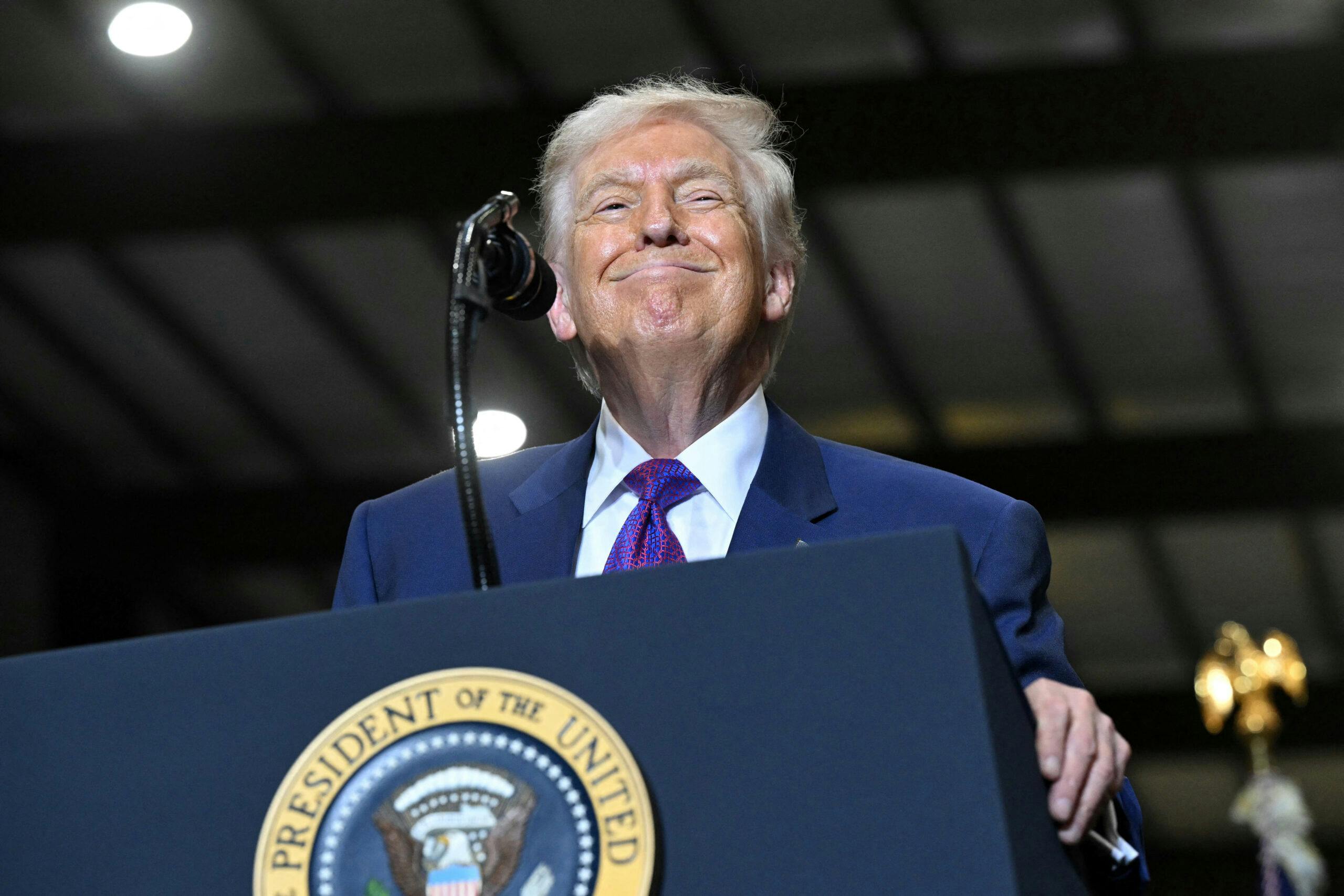
Ohio GOP Chooses DeWine Challenger
Ohio's Republican gubernatorial primary concluded with State Senator Joe Blystone securing the nomination, setting the stage for a high-stakes general election battle against incumbent Democrat Governor Nan Whaley. The race highlighted the continued influence of former President Donald Trump within the Republican party, with Blystone receiving his coveted endorsement.
Trump's Endorsement: A Decisive Factor
Trump's endorsement played a pivotal role in Blystone's victory. It energized his base and provided a significant boost in fundraising and media attention. The former president held a rally in Ohio just days before the primary, explicitly urging voters to support Blystone. This direct intervention underscored Trump's determination to shape the future of the Republican party and to challenge incumbents perceived as insufficiently loyal.
“Joe is a great guy, he's tough, he's smart, and he loves Ohio,” Trump stated at the rally. “He will be a fantastic governor and will always put America First.”
The impact of such endorsements can be profound. According to a 2020 study by the American Enterprise Institute, candidates endorsed by Trump saw an average increase of 7 percentage points in their primary vote share. This effect is particularly pronounced in states with a strong base of Trump supporters, like Ohio.
Blystone's Platform: A Populist Appeal
Blystone ran on a platform centered on populist themes, appealing to voters who feel left behind by the political establishment. He promised to cut taxes, reduce government regulation, and protect Ohio's manufacturing jobs. He also took a strong stance against illegal immigration and supported policies aimed at securing the border. His message resonated with many Republican primary voters who are frustrated with the status quo and eager for change.
A key component of Blystone's platform is his commitment to school choice. He has pledged to expand voucher programs and charter schools, giving parents more control over their children's education. This position aligns with a growing movement within the Republican party that seeks to empower families and challenge the dominance of public schools.
Blystone has also been vocal about his opposition to vaccine mandates and government overreach during the COVID-19 pandemic. He has called for an end to all remaining restrictions and has accused state and federal officials of infringing on individual liberties. This stance has earned him support from voters who are concerned about government intrusion into their lives.
Whaley's Record: A Target for Republicans
Governor Nan Whaley, seeking her second term, faces a tough reelection battle. Republicans have targeted her record on issues such as crime, the economy, and education. They accuse her of being soft on crime and of failing to create jobs and opportunities for Ohioans. They also criticize her handling of the COVID-19 pandemic, arguing that her policies have hurt businesses and schools.
Whaley, however, defends her record, pointing to the state's low unemployment rate and her efforts to attract new businesses to Ohio. She also touts her administration's investments in education and infrastructure. She argues that her policies have made Ohio a better place to live, work, and raise a family.
“We have made significant progress in recent years, but there is still much work to be done,” Whaley said in a recent speech. “I am committed to building a brighter future for all Ohioans.”
According to the Bureau of Labor Statistics, Ohio's unemployment rate in April 2024 was 3.9%, slightly higher than the national average of 3.6%. While this represents a significant improvement from the height of the pandemic, it still provides ammunition for Republicans who argue that Whaley's economic policies have fallen short.
The General Election Landscape: A Battleground State
Ohio has long been a battleground state in presidential elections, and the gubernatorial race is expected to be just as competitive. The state has a diverse population and a mix of urban and rural areas, making it a challenging environment for any candidate. Both Blystone and Whaley will need to appeal to a broad range of voters to win in November.
The economy is likely to be a key issue in the general election. Voters are concerned about inflation, gas prices, and the overall state of the economy. Both candidates will need to offer credible plans for addressing these challenges. Crime is another major concern, particularly in urban areas. Blystone has pledged to crack down on crime and support law enforcement, while Whaley has emphasized the need for community policing and crime prevention programs.
Education is also expected to be a significant issue. Blystone's focus on school choice could resonate with parents who are dissatisfied with the public school system. Whaley, on the other hand, will likely defend her administration's investments in public education and argue that they are essential for preparing students for the future.
The Cook Political Report currently rates the Ohio gubernatorial race as a “toss-up,” indicating that it is one of the most competitive races in the country. This means that both candidates will need to run strong campaigns and mobilize their supporters to win.
The Impact on the Republican Party
Blystone's nomination is a significant victory for the Trump wing of the Republican party. It demonstrates that Trump's influence remains strong, even after he has left office. It also suggests that the party is moving in a more populist direction, embracing policies that appeal to working-class voters and those who feel left behind by the political establishment.
However, Blystone's nomination also poses challenges for the Republican party. His populist rhetoric and his close association with Trump could alienate moderate voters and independents who are turned off by the former president's divisive style. The party will need to find a way to appeal to these voters without alienating its base.
The outcome of the Ohio gubernatorial race could have significant implications for the future of the Republican party. A Blystone victory would embolden the Trump wing of the party and could lead to more populist candidates running for office in other states. A Whaley victory, on the other hand, would be a setback for Trump and could signal a shift away from populism.
Looking Ahead: The General Election
The general election campaign is expected to be hard-fought and expensive. Both Blystone and Whaley will have access to significant resources, and they will likely spend heavily on television advertising, digital marketing, and grassroots organizing. The race will be closely watched by political observers across the country, as it is seen as a bellwether for the 2024 presidential election.
The key to victory in Ohio will be turnout. Both candidates will need to motivate their supporters to vote and to persuade undecided voters to support them. The race is likely to be decided by a narrow margin, and every vote will count.
One factor that could influence the outcome is the state of the national economy. If the economy continues to struggle, voters may be more likely to support a change in leadership. If the economy improves, Whaley may have an easier time defending her record.
Another factor to watch is the role of third-party candidates. In past elections, third-party candidates have sometimes played a spoiler role, drawing votes away from the major party candidates. It remains to be seen whether third-party candidates will have a significant impact on the Ohio gubernatorial race.
Ultimately, the outcome of the Ohio gubernatorial race will depend on a number of factors, including the candidates' platforms, their fundraising ability, and the overall political climate. It is shaping up to be one of the most closely watched and competitive races in the country.
Recent polling data indicates a tightening race. An Ohio Chamber of Commerce poll released in early August showed Blystone leading Whaley by just 2 points, well within the margin of error. This suggests that the race is truly up for grabs and that both campaigns will need to work hard to win.
Furthermore, the Ohio Secretary of State's office reports a significant increase in voter registration among young people and minority groups. This could benefit Whaley, as these groups tend to lean Democratic. However, Blystone's campaign is actively targeting these voters as well, hoping to win them over with his populist message.
The next few months will be crucial as both candidates ramp up their campaigns and make their final pitch to Ohio voters. The outcome of the Ohio gubernatorial race will have significant implications not only for the state but also for the future of the Republican party and the national political landscape.