- Conservative Fix
- Posts
- NYC Housing Boss Attacks Landlords, Ignores Own Mess
NYC Housing Boss Attacks Landlords, Ignores Own Mess
Council Member Shekar Krishnan's actions expose hypocrisy in the city's housing crisis.
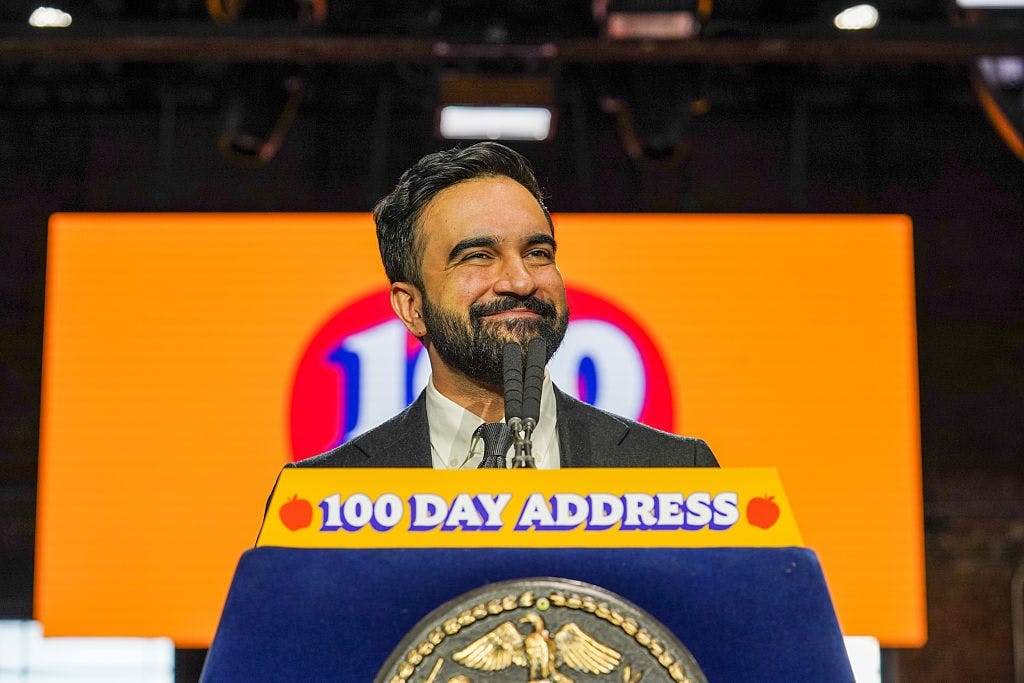
NYC Housing Authority Under Fire
New York City Council Member Shekar Krishnan and Housing Committee Chair recently engaged in a highly publicized event targeting landlords, drawing sharp criticism amid the ongoing crisis within the New York City Housing Authority (NYCHA). Critics argue that these actions are a calculated distraction from the severe mismanagement and deteriorating conditions plaguing the city's public housing system, and a political performance meant to demonize property owners.
A Tale of Two Housing Realities
The contrast between Krishnan’s public stance against landlords and the reality faced by NYCHA residents is stark. While the Council Member stages events designed to portray landlords as villains, NYCHA’s 177,000 apartments across 335 developments suffer from chronic disrepair, safety concerns, and bureaucratic dysfunction. Residents routinely face issues such as mold infestations, lead paint exposure, broken elevators, and inadequate heating during the winter months. The problems are systemic and deeply entrenched.
Krishnan's Landlord Crusade
Krishnan’s recent actions have been framed by some as a political stunt aimed at garnering support from his progressive base. By focusing on perceived landlord abuses, he can deflect attention from the city's own failings in providing safe and habitable housing for its most vulnerable residents. This strategy involves highlighting isolated cases of landlord misconduct while ignoring the broader failures of NYCHA itself. The selective focus allows him to paint a narrative that aligns with his political agenda, regardless of the actual conditions faced by many New Yorkers.
NYCHA's Decades-Long Decline
The decline of NYCHA has been a decades-long process, marked by mismanagement, corruption, and a chronic lack of funding. A 2018 report by the U.S. Department of Housing and Urban Development (HUD) found that NYCHA had systematically failed to protect its residents from lead paint exposure, leading to significant health risks for children. This was not an isolated incident, but rather a symptom of a larger pattern of neglect and disregard for the well-being of public housing residents. In fact, NYCHA admitted to falsely claiming it performed lead paint inspections when it had not, further eroding public trust. The authority agreed to spend more than $2 billion to address these issues.
According to a 2023 audit by the New York State Comptroller, NYCHA failed to spend $136 million in federal funds designated for repairs and improvements. The money remained unspent, while residents continued to live in squalor. The audit also found that NYCHA's procurement processes were riddled with inefficiencies, leading to delays and cost overruns. This mismanagement underscores the urgent need for systemic reform within the agency.
Furthermore, a 2024 investigation by a local news outlet revealed that NYCHA's maintenance backlog has reached an all-time high, with over 600,000 open repair requests. Many of these requests are for critical issues such as leaks, electrical problems, and pest infestations, which directly impact the health and safety of residents. The sheer volume of unresolved repairs highlights the scale of the crisis facing NYCHA and the inadequacy of its current management practices.
Funding Shortfalls and Mismanagement
NYCHA faces a staggering capital needs deficit, estimated to be in the tens of billions of dollars. Years of deferred maintenance and inadequate funding have created a perfect storm of decay and disrepair. While city, state, and federal governments have allocated funds to NYCHA over the years, the money has often been insufficient to address the scale of the problem. Moreover, allegations of mismanagement and corruption have further hampered NYCHA’s ability to effectively utilize available resources. The result is a system that is failing its residents and perpetuating a cycle of poverty and neglect.
The Human Cost of Neglect
The consequences of NYCHA’s decline are borne by its residents, many of whom are low-income families, seniors, and individuals with disabilities. Living in dilapidated and unsafe conditions takes a toll on their physical and mental health. Children exposed to lead paint can suffer from developmental delays and learning disabilities. Seniors living in buildings with broken elevators can become isolated and unable to access essential services. Families living in mold-infested apartments can develop respiratory problems and other health issues. The human cost of NYCHA’s neglect is immeasurable.
Failed Solutions and Empty Promises
Over the years, various attempts have been made to address NYCHA’s problems, but none have been fully successful. The Rental Assistance Demonstration (RAD) program, which allows NYCHA to transfer management of some developments to private companies, has been met with mixed results. While some residents have reported improvements in living conditions, others have raised concerns about displacement and loss of tenant protections. The Build to Preserve program, which aims to rehabilitate existing NYCHA buildings, has also faced challenges due to funding constraints and bureaucratic hurdles.
Despite repeated promises from elected officials, NYCHA’s problems persist. Residents have grown cynical and distrustful of the system, feeling that their voices are not being heard and that their concerns are not being taken seriously. The lack of accountability and transparency within NYCHA has further eroded public trust, making it difficult to implement meaningful reforms.
The Need for Systemic Reform
Addressing NYCHA’s crisis requires a comprehensive and systemic approach. This includes not only increased funding, but also fundamental reforms to the agency’s management structure, procurement processes, and tenant engagement strategies. NYCHA must be held accountable for its failures and must be transparent in its operations. Residents must be empowered to participate in decision-making processes and must have access to effective grievance mechanisms.
Beyond Landlord Bashing
While holding landlords accountable for their actions is important, it is not a substitute for addressing the root causes of the housing crisis in New York City. Politicians like Krishnan must recognize that demonizing property owners is not a solution to NYCHA’s problems. Instead, they should focus on working collaboratively with all stakeholders to develop and implement effective strategies for improving the lives of public housing residents. This requires a willingness to confront uncomfortable truths and to challenge the status quo.
Privatization Concerns
One of the proposed solutions to NYCHA’s financial woes is further privatization. However, this approach raises serious concerns. Critics argue that privatizing public housing could lead to higher rents, reduced tenant protections, and a loss of affordable housing options. They point to examples in other cities where privatization has resulted in displacement and gentrification, further exacerbating the housing crisis. Any privatization efforts must be carefully considered and must include robust safeguards to protect the rights and interests of NYCHA residents. The potential impact on long-term affordability must be a central consideration.
The Path Forward
The future of NYCHA hinges on the willingness of elected officials, agency leaders, and community stakeholders to work together to find solutions. This requires a commitment to transparency, accountability, and resident empowerment. It also requires a recognition that the housing crisis in New York City is a complex and multifaceted problem that demands a comprehensive and collaborative approach. Politicians must move beyond political grandstanding and focus on delivering real results for the residents of NYCHA. Until then, the city's public housing empire will continue to crumble, leaving its most vulnerable residents to suffer the consequences.
The Question of Motives
Ultimately, the question remains: Are the actions of politicians like Krishnan genuinely aimed at improving housing conditions for all New Yorkers, or are they primarily driven by political ambition? The answer may lie in their willingness to prioritize the needs of NYCHA residents over the pursuit of political points. Only time will tell whether they are truly committed to addressing the systemic failures that have plagued the city's public housing system for far too long.
In 2023, the New York City Independent Budget Office estimated that the total cost to fully repair and modernize NYCHA’s existing buildings could exceed $77 billion. This staggering figure underscores the magnitude of the challenge facing the city and the urgent need for innovative solutions. Simply blaming landlords will not solve the problem.