- Conservative Fix
- Posts
- Nick Reiner Deemed Unfit for Trial After Parents Killings
Nick Reiner Deemed Unfit for Trial After Parents Killings
A new documentary reveals disturbing details about mental breakdown, drug use, and brutal violence surrounding the case.

Max Corwin
January 20th, 2026 • Reading Time: 2 minutes
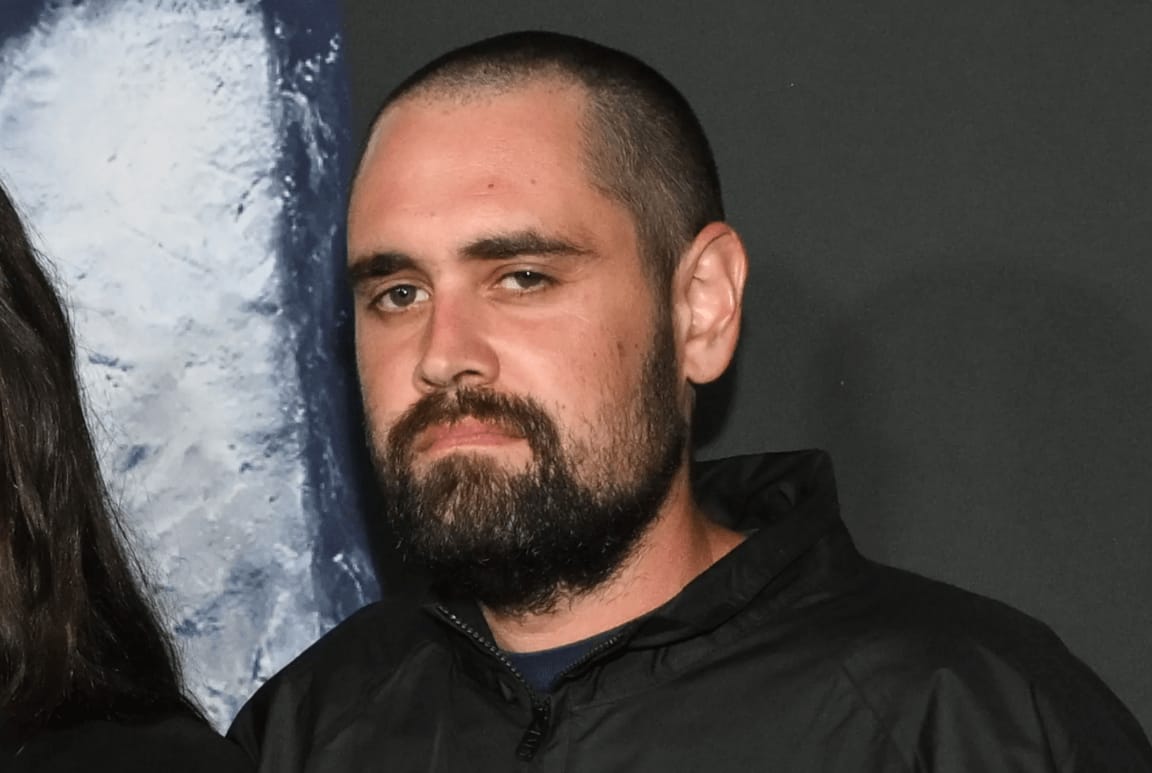
The disturbing case surrounding Nick Reiner has taken another dark turn. A new investigative documentary claims Reiner is currently in no mental condition to stand trial for the alleged murders of his parents, revealing shocking details about his deteriorating psychological state, medication changes, and the extreme violence tied to the case.
According to sources featured in the program, Reiner has become “almost childlike” while in custody. He reportedly struggles to understand where he is, what consequences await him, and how serious the situation truly is. While he acknowledges what he did, those close to the case say his ability to process reality appears severely impaired.
Medical professionals reportedly altered Reiner’s psychiatric medication roughly a month before the killings after he complained about weight gain. That change is believed to have triggered a dramatic mental spiral. Reiner has been diagnosed with schizoaffective disorder, a condition that can cause hallucinations, delusions, emotional instability, and impaired judgment when improperly managed.
Investigators and insiders describe the alleged murders as exceptionally violent and deeply unsettling. Even experienced personnel who reviewed the evidence reportedly found it traumatizing. Some sources suggested the crime scene showed signs consistent with drug-fueled aggression, raising concerns that methamphetamine may have compounded Reiner’s mental instability.
Key developments emerging from the investigation include:
Mental competence concerns: Reiner is reportedly unable to meaningfully participate in his own defense, which could delay or complicate prosecution.
Medication disruption: A recent change in psychiatric treatment may have intensified symptoms tied to schizoaffective disorder.
Possible drug involvement: Sources suggest Reiner may have been using meth during the period leading up to the killings, increasing the likelihood of erratic behavior and violence.
Legal strategy: Defense counsel is expected to pursue a plea centered on mental incapacity rather than outright denial of involvement.
Nationally, cases involving severe mental illness and violent crime remain complex and controversial. The National Institute of Mental Health estimates that roughly 1 in 5 adults in the U.S. experiences some form of mental illness each year, yet only a small percentage ever receive consistent treatment. At the same time, the Bureau of Justice Statistics reports that over 60% of jail inmates meet criteria for at least one mental health disorder, placing massive strain on correctional systems that were never designed to provide long-term psychiatric care.
Drug use further complicates these cases. Federal data shows that more than 40% of violent offenders test positive for illicit substances at the time of arrest, a factor that often escalates aggression and clouds legal responsibility. When mental illness and drugs intersect, determining accountability becomes even more difficult for courts and juries.
If the court ultimately finds Nick Reiner mentally incompetent, proceedings could be delayed indefinitely while doctors attempt to stabilize him. In many cases, restoration of competency can take months or even years, leaving victims’ families without closure and taxpayers footing the bill for extended institutional care.
This case also reignites a broader debate over how the justice system handles defendants with severe psychiatric conditions. Americans increasingly question whether dangerous individuals are being adequately supervised, whether medication protocols are responsibly managed, and whether accountability is being eroded in the name of excuses.
For families seeking justice, the legal process can feel painfully slow and uncertain. But the public deserves transparency, firm enforcement of the law, and policies that prioritize safety over ideological softness on crime and mental health accountability.
Share this article or subscribe to our newsletter for updates if you believe the justice system must protect innocent lives while demanding real responsibility.