- Conservative Fix
- Posts
- NEPA Reform Finally Gains Traction After Decades
NEPA Reform Finally Gains Traction After Decades
Efforts to streamline the National Environmental Policy Act are underway, promising faster infrastructure development and economic growth.
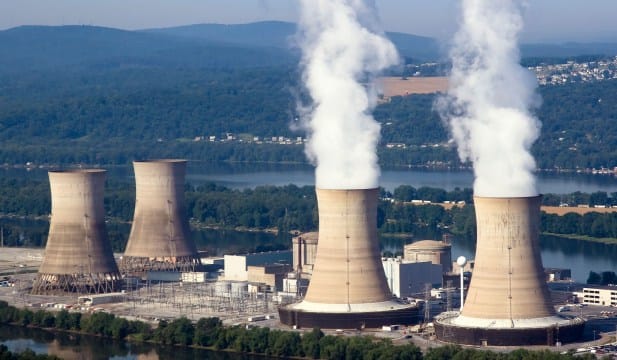
NEPA Under the Microscope: A 52-Year Legacy Challenged
The National Environmental Policy Act (NEPA), signed into law in 1970, has long been a cornerstone of environmental regulation in the United States. However, after more than half a century, bipartisan concerns have grown regarding its efficacy and impact on infrastructure projects, economic development, and even national security. Critics argue that NEPA's extensive review processes often lead to bureaucratic delays, increased costs, and stalled projects, hindering progress and innovation across various sectors. The Act, originally intended to ensure environmental considerations are integrated into federal decision-making, has become a lightning rod for debate, sparking calls for reform and modernization.
The Stated Goals and Unintended Consequences of NEPA
NEPA mandates that federal agencies prepare detailed environmental impact statements (EIS) for any major federal actions significantly affecting the environment. This includes a thorough assessment of potential environmental consequences, alternatives to the proposed action, and mitigation measures. The intent was noble: to ensure that environmental concerns are carefully weighed before projects are approved, preventing irreversible damage and promoting sustainable development. However, the implementation of NEPA has often deviated from its original purpose.
One of the primary criticisms revolves around the length and complexity of the EIS process. Studies have shown that the average EIS takes 4.5 years to complete, and can cost millions of dollars. The Pacific Research Institute, for example, found in a 2020 study that NEPA reviews added an average of $3.4 million to the cost of highway projects. Furthermore, the scope of NEPA has expanded over time through judicial interpretations and agency regulations, encompassing a wider range of projects and requiring increasingly detailed analyses. This expansion has led to a situation where even relatively minor projects can become entangled in lengthy and costly environmental reviews.
This complexity opens the door to litigation. Environmental groups and other stakeholders frequently use NEPA as a tool to challenge project approvals, often filing lawsuits to halt or delay projects based on alleged inadequacies in the EIS. These lawsuits can further extend project timelines and increase costs, creating uncertainty and discouraging investment. The Congressional Research Service reported that between 2010 and 2018, an average of 78 NEPA-related lawsuits were filed each year, demonstrating the significant legal challenges associated with the Act.
Bipartisan Frustration: A Shared Desire for Reform
The push for NEPA reform has gained momentum in recent years, attracting support from both sides of the political aisle. While Democrats and Republicans may differ on the specific details of reform, there is a growing consensus that the current system is broken and needs to be fixed. Proponents of reform argue that streamlining NEPA will accelerate infrastructure development, create jobs, and boost economic growth, all while maintaining environmental safeguards. They point to examples of projects that have been delayed or abandoned due to NEPA-related hurdles, highlighting the real-world consequences of the Act's inefficiencies.
One example often cited is the construction of new highways and bridges. These projects are essential for improving transportation infrastructure, reducing traffic congestion, and facilitating the movement of goods and services. However, NEPA reviews can significantly delay these projects, adding years to their timelines and increasing their costs. A 2017 report by the Government Accountability Office (GAO) found that NEPA reviews were a major factor contributing to delays in highway projects, with some projects taking more than a decade to complete.
The frustration with NEPA is not limited to infrastructure projects. Energy projects, such as pipelines and renewable energy facilities, also face significant NEPA-related hurdles. The construction of new pipelines is often delayed by lengthy environmental reviews, which can impact the supply and price of energy. Similarly, the development of renewable energy projects, such as wind and solar farms, can be slowed down by NEPA, hindering efforts to transition to a cleaner energy future. A study by the American Council for Capital Formation found that NEPA reviews added an average of two years to the permitting process for energy projects.
Trump Administration's Attempts at NEPA Modernization
The Trump administration made NEPA reform a priority, issuing regulations in 2020 aimed at streamlining the review process. These regulations sought to clarify the definition of “major federal action,” limit the scope of environmental reviews, and establish time limits for completing EISs. The administration argued that these changes would reduce delays, lower costs, and promote economic growth. One key provision of the 2020 regulations was a requirement that agencies set firm deadlines for completing NEPA reviews, with the goal of ensuring that projects are not indefinitely delayed.
However, the Trump administration's NEPA reforms faced legal challenges from environmental groups, who argued that the changes would weaken environmental protections and undermine public participation in the decision-making process. Several lawsuits were filed challenging the validity of the 2020 regulations, creating uncertainty about their long-term impact. The Biden administration subsequently took steps to reverse some of the Trump-era changes, signaling a shift in approach to NEPA implementation.
Biden Administration's Approach: Balancing Efficiency and Environmental Protection
The Biden administration has emphasized a commitment to both environmental protection and efficient project delivery. While acknowledging the need for NEPA reform, the administration has also stressed the importance of robust environmental reviews and public engagement. The administration has taken steps to revise the Trump-era regulations, seeking to strike a balance between streamlining the NEPA process and ensuring that environmental concerns are adequately addressed. One of the Biden administration's priorities is to ensure that environmental justice considerations are integrated into NEPA reviews, addressing the disproportionate impacts of pollution and environmental hazards on minority and low-income communities.
The Biden administration's approach to NEPA is guided by the principle of “smart NEPA,” which aims to improve the efficiency and effectiveness of the NEPA process while upholding environmental safeguards. This includes promoting the use of technology to streamline environmental reviews, encouraging collaboration among federal agencies, and providing training to NEPA practitioners. The Council on Environmental Quality (CEQ), which oversees NEPA implementation, has issued guidance to agencies on how to incorporate climate change considerations into NEPA reviews, reflecting the administration's commitment to addressing climate change.
The Future of NEPA: A Path Forward
The debate over NEPA reform is likely to continue in the years to come. There is a broad recognition that the current system is not working as effectively as it should, but there are differing views on how best to address the challenges. Some stakeholders advocate for more comprehensive reforms, such as legislative changes to the Act itself. Others prefer a more incremental approach, focusing on administrative improvements and regulatory adjustments. Finding a path forward that balances the need for efficient project delivery with the importance of environmental protection will require careful consideration and collaboration among all stakeholders. The Bipartisan Infrastructure Law of 2021 included provisions aimed at streamlining NEPA reviews for infrastructure projects, demonstrating a continued interest in addressing the Act's inefficiencies.
Moving forward, several key areas should be considered in the effort to modernize NEPA. First, there is a need to clarify the scope of NEPA and provide clearer guidance to agencies on what types of projects require detailed environmental reviews. Second, there is a need to streamline the EIS process, reducing the time and cost associated with environmental reviews. This could involve setting firm deadlines for completing EISs, promoting the use of programmatic EISs to address similar projects in a single review, and encouraging the use of categorical exclusions for projects that have minimal environmental impacts. Third, there is a need to improve coordination among federal agencies, ensuring that environmental reviews are conducted efficiently and effectively. This could involve establishing a lead agency to oversee the NEPA process for each project, promoting the use of joint EISs, and encouraging agencies to share information and resources.
Ultimately, the goal of NEPA reform should be to create a system that is both environmentally sound and economically efficient. By streamlining the NEPA process, we can accelerate infrastructure development, create jobs, and boost economic growth, while also protecting our environment for future generations. This will require a willingness to compromise and a commitment to finding solutions that work for all stakeholders. The stakes are high, but the potential rewards are even greater.
The Center for Environmental Quality found that the average cost of preparing an Environmental Impact Statement (EIS) in 2020 was $4.2 million, a substantial increase from previous years, highlighting the escalating financial burden associated with NEPA compliance. Furthermore, the U.S. Chamber of Commerce estimates that NEPA delays cost the U.S. economy billions of dollars annually in lost productivity and investment. Finally, data from the Federal Highway Administration indicates that NEPA reviews can add up to 6 years to the timeline of highway projects, significantly delaying critical infrastructure improvements.