- Conservative Fix
- Posts
- Mississippi Cracks Down On Illegal Immigration
Mississippi Cracks Down On Illegal Immigration
New legislation targets those residing unlawfully within the state's borders.
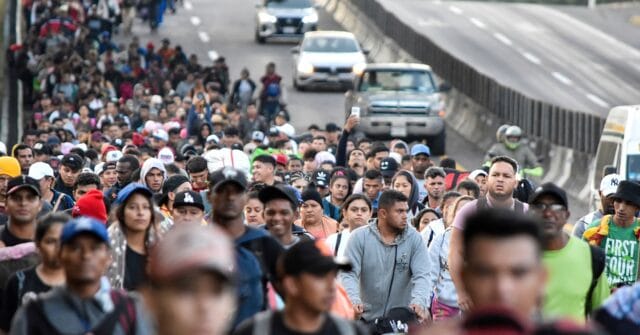
Mississippi Takes a Stand on Illegal Immigration
Mississippi has enacted legislation making illegal immigration a state crime, joining a growing number of states seeking to address the issue amid perceived federal inaction. The move reflects rising concerns about the impact of illegal immigration on state resources, public safety, and the rule of law.
The Core of the Legislation
The new law aims to penalize individuals who are unlawfully present in Mississippi. While specific details vary from state to state, these laws typically focus on actions such as working without authorization, renting property, or using state services. Mississippi's law is expected to target similar activities, making them subject to state-level fines, imprisonment, and potential deportation proceedings initiated by state authorities.
This legislation is not entirely novel. Several other states, particularly those bordering Mexico, have already implemented similar measures. Texas, for example, has been at the forefront of this movement, enacting laws allowing state law enforcement to arrest individuals suspected of illegal entry into the United States. These state-level actions are often met with legal challenges, raising questions about the balance of power between the federal government and individual states regarding immigration enforcement.
Motivations Behind the Law
The driving force behind Mississippi's new law is multifaceted. A primary concern is the perceived failure of the federal government to adequately secure the border and enforce existing immigration laws. State lawmakers argue that the influx of illegal immigrants places a significant strain on state resources, including schools, healthcare systems, and social services. They contend that these resources should be prioritized for legal residents and citizens of Mississippi.
Another key motivation is public safety. Supporters of the law argue that illegal immigration is linked to increased crime rates and that stricter enforcement is necessary to protect communities. While data on the relationship between immigration and crime is complex and often contested, proponents point to specific instances of crimes committed by individuals who are unlawfully present in the state as justification for the new measures. For instance, a 2023 report by the Center for Immigration Studies found that a significant percentage of inmates in several states were non-citizens, although the report's methodology has been criticized by some academics.
Legal and Constitutional Challenges
Mississippi's law is likely to face legal challenges, primarily on constitutional grounds. The U.S. Constitution grants the federal government broad authority over immigration matters. Opponents of the law will argue that it infringes upon this federal authority and that it is therefore unconstitutional. They will likely cite Supreme Court precedents that have struck down state laws attempting to regulate immigration in ways that conflict with federal law.
One potential legal hurdle is the Supremacy Clause of the Constitution, which states that federal laws are supreme to state laws when there is a conflict. Opponents will argue that federal immigration laws already address the issue of illegal immigration and that Mississippi's law attempts to create a parallel system of enforcement, thereby conflicting with federal law. Another potential challenge is based on the Equal Protection Clause of the Fourteenth Amendment, which prohibits states from denying any person within their jurisdiction the equal protection of the laws. Opponents may argue that the law is discriminatory and that it targets individuals based on their immigration status.
The Economic Impact
The economic impact of Mississippi's law is another area of concern. While supporters argue that it will free up resources for legal residents and citizens, opponents contend that it could harm the state's economy by reducing the workforce and driving businesses out of the state. Illegal immigrants often fill essential jobs in sectors such as agriculture, construction, and hospitality. Removing these workers could lead to labor shortages and increased costs for businesses.
For example, the agricultural sector in Mississippi relies heavily on immigrant labor, both legal and illegal. According to the Mississippi Farm Bureau Federation, the state's agricultural output is valued at over $7 billion annually. A significant portion of this output depends on the availability of affordable labor, which is often provided by immigrants. If the new law leads to a reduction in the immigrant workforce, it could have a devastating impact on the state's agricultural economy. Furthermore, a 2017 report by the National Academies of Sciences, Engineering, and Medicine found that immigrants contribute significantly to the U.S. economy, both as workers and as consumers. Restricting immigration could therefore have negative consequences for economic growth.
The Broader Political Context
Mississippi's law is part of a broader political trend of states taking action on immigration in response to perceived federal inaction. This trend is particularly pronounced in states with large immigrant populations and those that share a border with Mexico. The issue of immigration has become increasingly politicized in recent years, with deep divisions between Republicans and Democrats on issues such as border security, enforcement, and pathways to citizenship.
The Trump administration's policies on immigration, such as the construction of a border wall and the separation of families at the border, further intensified the debate. While the Biden administration has reversed some of these policies, it has also faced criticism for its handling of the situation at the border. The ongoing political gridlock in Congress has made it difficult to pass comprehensive immigration reform, leading states to take matters into their own hands. In 2022, Customs and Border Protection reported over 2.3 million encounters with migrants at the southern border, a figure that underscores the scale of the challenge.
Enforcement Challenges and Practical Considerations
Even with the enactment of this law, Mississippi faces significant challenges in enforcing it. State law enforcement agencies may lack the resources and expertise necessary to effectively identify and apprehend individuals who are unlawfully present in the state. Furthermore, the law could lead to racial profiling and other forms of discrimination, raising concerns about civil rights violations.
Another practical consideration is the potential impact on the state's court system. If the law leads to a significant increase in arrests and prosecutions, it could overwhelm the courts and create a backlog of cases. This could divert resources away from other important priorities, such as addressing violent crime and drug trafficking. Moreover, the law could create a climate of fear and distrust within immigrant communities, making it more difficult for law enforcement to investigate crimes and maintain public safety. A 2010 study by the Pew Research Center found that stricter immigration enforcement can lead to a decrease in reporting of crimes by immigrant communities, making it harder for law enforcement to solve cases.
Alternative Solutions and the Path Forward
While Mississippi's law represents one approach to addressing the issue of illegal immigration, there are alternative solutions that could be considered. Comprehensive immigration reform at the federal level, including increased border security, a pathway to citizenship for long-term residents, and reforms to the legal immigration system, could provide a more sustainable and effective solution. Investing in economic development in Central America could also help to address the root causes of migration, reducing the number of people who feel compelled to leave their home countries. According to the World Bank, poverty and violence are major drivers of migration from Central America to the United States.
Ultimately, the issue of illegal immigration requires a comprehensive and nuanced approach that takes into account the economic, social, and humanitarian considerations involved. While state-level actions like Mississippi's law may provide a temporary solution, they are unlikely to address the underlying problems. A more sustainable solution will require cooperation between the federal government, state governments, and local communities to create a system that is both fair and effective.
The coming months will be crucial in determining the fate of Mississippi's new law. Legal challenges are expected, and the law's impact on the state's economy and communities remains to be seen. As the debate over immigration continues to intensify, it is essential to consider all perspectives and to seek solutions that are both just and practical.
One fact often overlooked is the significant contribution of taxes paid by undocumented immigrants. The Institute on Taxation and Economic Policy estimated that undocumented immigrants in the U.S. paid $11.6 billion in state and local taxes in 2018. This figure demonstrates the complex economic realities surrounding immigration and challenges the simplistic narrative that undocumented immigrants are solely a drain on public resources.