- Conservative Fix
- Posts
- Kauai Helicopter Crash Leaves Three Dead
Kauai Helicopter Crash Leaves Three Dead
A tragic tour helicopter accident on Kauai raises questions about safety regulations and oversight in the Hawaiian tourism industry.
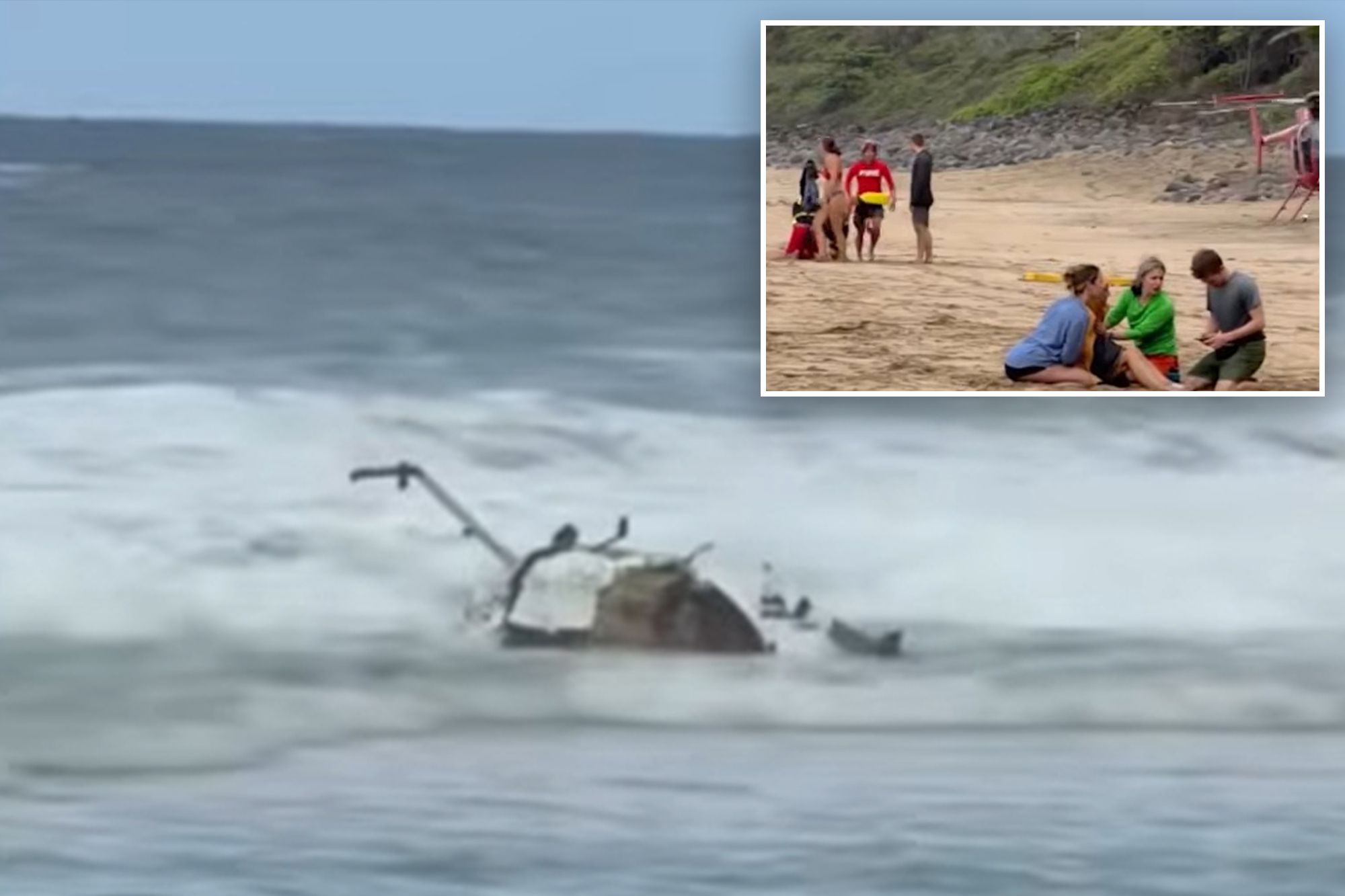
Kauai Helicopter Crash Leaves Three Dead
A tour helicopter crashed on the Hawaiian island of Kauai, resulting in the deaths of three people and injuries to two others. The incident has prompted investigations into the cause of the crash and renewed scrutiny of the safety standards governing the helicopter tour industry in Hawaii.
Details of the Incident
The crash occurred in a remote, mountainous region of Kauai, making rescue and recovery efforts particularly challenging. According to initial reports, the helicopter, operated by a local tour company, went down under circumstances that are still being investigated by the National Transportation Safety Board (NTSB) and the Federal Aviation Administration (FAA). The identities of the deceased and injured have been released, and authorities are working to provide support to their families.
The specific type of helicopter involved in the crash has been confirmed as a common model used for sightseeing tours. This detail is significant because it allows investigators to focus on potential mechanical issues specific to that model, as well as the maintenance records and operational history of the particular aircraft. The FAA database reveals that this specific helicopter had been inspected regularly, with the last comprehensive check occurring just six months prior to the accident. While this doesn’t exonerate mechanical failure, it adds a layer of complexity to the investigation.
Investigation Underway
The NTSB is leading the investigation, with assistance from the FAA. Investigators will be examining a wide range of factors, including the weather conditions at the time of the crash, the pilot's experience and training, the maintenance history of the helicopter, and any potential mechanical failures. The wreckage will be carefully analyzed to determine the sequence of events leading to the accident.
One of the primary focuses of the investigation will be the helicopter's flight data recorder, often referred to as the "black box." If the helicopter was equipped with one and it is recoverable, this device will provide crucial information about the aircraft's performance in the moments leading up to the crash, including altitude, speed, engine performance, and any potential malfunctions. Additionally, investigators will be interviewing witnesses and reviewing radar data to reconstruct the helicopter's flight path.
It is crucial to understand that the NTSB's investigation is a fact-finding process. While the NTSB will ultimately issue a report detailing the probable cause of the crash, it does not assign blame or liability. The purpose of the investigation is to identify safety recommendations that can prevent similar accidents from happening in the future. These recommendations can range from changes in pilot training requirements to modifications in aircraft maintenance procedures to stricter regulations governing the operation of tour helicopters.
Concerns About Helicopter Tour Safety
This tragic incident has reignited concerns about the safety of helicopter tours in Hawaii. The islands' unique geography, characterized by steep cliffs, deep valleys, and unpredictable weather patterns, poses significant challenges for helicopter operations. While helicopter tours offer breathtaking views of the islands' natural beauty, they also come with inherent risks.
Over the years, there have been several high-profile helicopter crashes in Hawaii, raising questions about the adequacy of safety regulations and oversight. Critics argue that the FAA's regulations for tour helicopters are not stringent enough, particularly in comparison to those for commercial airlines. They also point to the fact that tour helicopters often operate in challenging terrain and weather conditions, increasing the risk of accidents.
The FAA maintains that it has rigorous safety standards in place for helicopter operations, including regular inspections, pilot training requirements, and maintenance protocols. However, the agency also acknowledges that it is constantly reviewing and updating its regulations to address emerging safety concerns. In the wake of this latest crash, the FAA is likely to face renewed pressure to strengthen its oversight of the helicopter tour industry in Hawaii.
According to a recent report by the Hawaii Department of Transportation, the number of helicopter tour operations has increased significantly in recent years, driven by the growing popularity of tourism. This increase in traffic has led to concerns about potential overcrowding in certain areas and the potential for increased risk of accidents. Some local residents have also expressed concerns about the noise pollution generated by helicopter tours, which can disrupt the tranquility of residential areas and natural environments.
Economic Impact and the Tourism Industry
The helicopter tour industry plays a significant role in Hawaii's economy, providing jobs and generating revenue for local businesses. However, this latest crash could have a negative impact on the industry, as tourists may become more hesitant to take helicopter tours. The long-term effects will depend on the findings of the investigation and the steps taken to improve safety regulations.
The tourism industry as a whole is a vital part of Hawaii's economy, and any event that threatens the safety of tourists can have far-reaching consequences. State and local officials are acutely aware of this, and they are likely to work closely with the FAA and the NTSB to ensure that the investigation is thorough and that appropriate measures are taken to prevent future accidents.
The state government of Hawaii collects approximately $60 million annually in taxes and fees directly related to the helicopter tour industry. This revenue supports various state programs, including conservation efforts and infrastructure improvements. A significant decline in tourism due to safety concerns could impact these funding streams.
The Role of Pilot Training and Experience
Pilot training and experience are critical factors in ensuring the safety of helicopter tours. Pilots who fly tour helicopters must have extensive training in handling the aircraft in challenging terrain and weather conditions. They must also be familiar with the specific routes and potential hazards in the areas where they operate.
The FAA requires helicopter tour pilots to have a certain number of flight hours and to undergo regular proficiency checks. However, some critics argue that these requirements are not stringent enough, and that more emphasis should be placed on training pilots to handle emergency situations. They also suggest that pilots should be required to have more experience flying in the specific areas where they conduct tours.
One area of concern is the potential for pilot fatigue. Tour helicopter pilots often work long hours, particularly during peak tourist season. Fatigue can impair a pilot's judgment and reaction time, increasing the risk of accidents. The FAA has regulations in place to prevent pilot fatigue, but some critics argue that these regulations are not always effectively enforced.
Data from the FAA indicates that approximately 15% of helicopter accidents are attributed to pilot error. This statistic underscores the importance of rigorous training, ongoing proficiency checks, and effective fatigue management programs. The helicopter tour industry, in particular, needs to prioritize pilot well-being to minimize the risk of accidents.
Weather Conditions and Operational Challenges
Hawaii's weather conditions can change rapidly, posing significant challenges for helicopter operations. Strong winds, heavy rain, and low visibility are common occurrences, particularly in mountainous areas. Pilots must be able to adapt to these changing conditions and make sound decisions about whether or not to fly.
The FAA has regulations in place governing helicopter operations in adverse weather conditions. These regulations specify minimum visibility and ceiling requirements for different types of flights. However, some critics argue that these regulations are not always strictly enforced, and that some tour operators may be tempted to fly in marginal weather conditions in order to avoid canceling flights.
The mountainous terrain of Kauai and other Hawaiian islands also presents unique operational challenges. Helicopters must navigate through narrow valleys and around steep cliffs, requiring a high degree of skill and precision. Pilots must be familiar with the specific routes and potential hazards in these areas.
A study conducted by the University of Hawaii found that wind shear, a sudden change in wind speed or direction, is a significant factor in many helicopter accidents in Hawaii. Wind shear can be particularly dangerous in mountainous areas, where it can cause sudden loss of lift or control of the aircraft. The study recommended that pilots receive specialized training in recognizing and responding to wind shear conditions.
Moving Forward: Enhancing Safety Measures
The Kauai helicopter crash serves as a stark reminder of the inherent risks associated with helicopter operations, particularly in challenging environments. As the investigation unfolds, it is crucial that all stakeholders work together to identify the causes of the crash and implement measures to prevent similar tragedies from occurring in the future.
This includes strengthening safety regulations, improving pilot training, enhancing oversight of tour operators, and investing in new technologies that can improve helicopter safety. It also means addressing the concerns of local residents about noise pollution and the impact of helicopter tours on the environment.
The long-term sustainability of the helicopter tour industry in Hawaii depends on its ability to operate safely and responsibly. By prioritizing safety and addressing the concerns of all stakeholders, the industry can ensure that it continues to provide economic benefits to the state while minimizing the risks to tourists and residents alike.
One potential area for improvement is the adoption of advanced safety technologies, such as terrain awareness and warning systems (TAWS) and helicopter emergency medical services (HEMS) equipment. These technologies can provide pilots with enhanced situational awareness and improve their ability to respond to emergencies. Furthermore, increased investment in weather forecasting and monitoring systems could help pilots make more informed decisions about whether or not to fly in adverse conditions.