- Conservative Fix
- Posts
- Kanye West Apologizes for Antisemitic Outbursts
Kanye West Apologizes for Antisemitic Outbursts
The controversial artist admits he lost touch with reality and says he is seeking accountability and change.

Max Corwin
January 27th, 2026 • Reading Time: 2 minutes
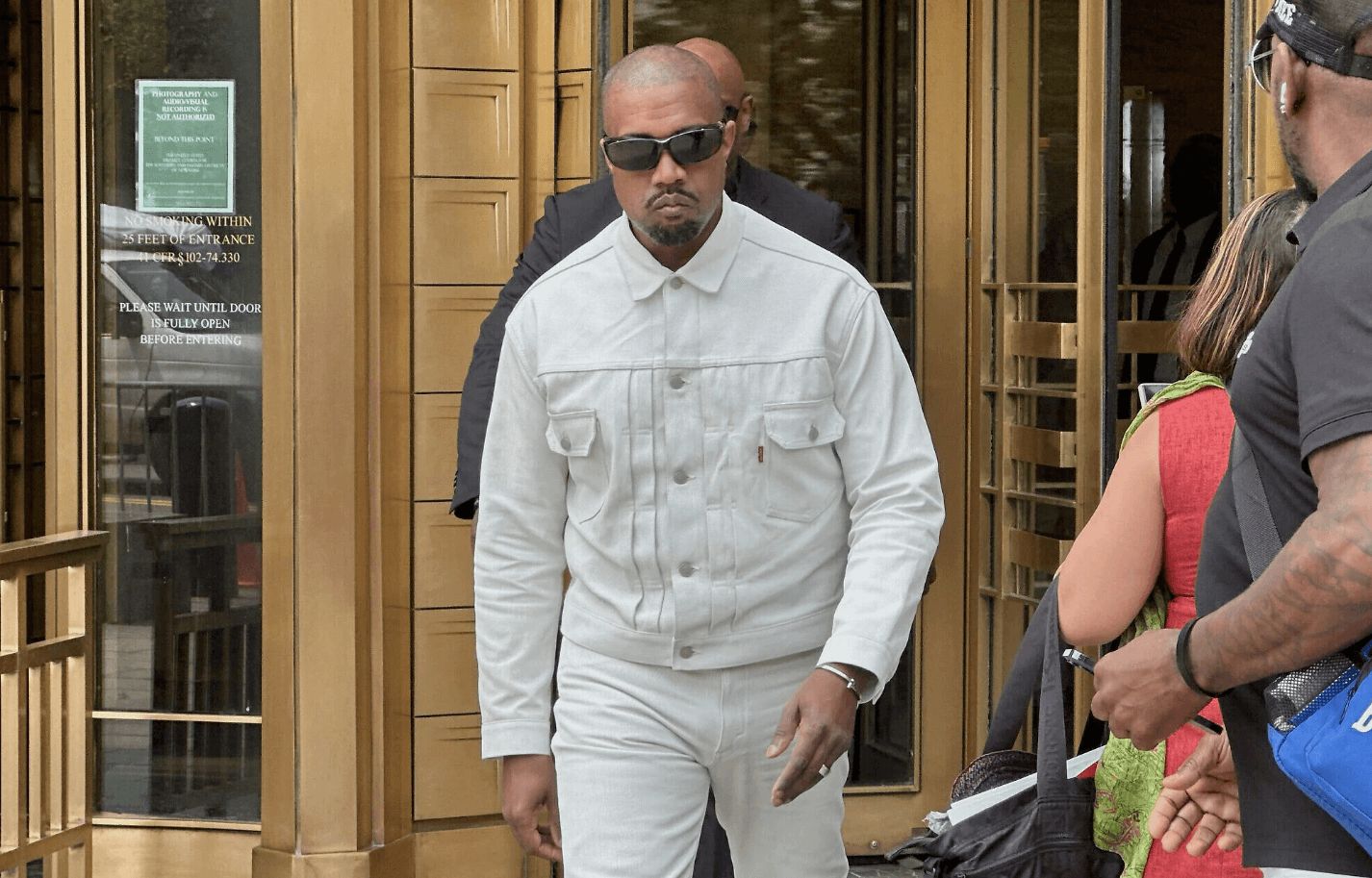
Few celebrities have self-destructed in public quite like Kanye West. For years, the artist now known as Ye dominated headlines not for music, but for a string of disturbing antisemitic comments, offensive merchandise, and shocking public appearances that alienated fans, business partners, and even longtime supporters.
Now, in a rare moment of humility, Kanye West has issued a full-page apology acknowledging his antisemitic behavior and admitting that he “lost touch with reality.” The statement marks a sharp departure from his defiant tone over the past several years and raises serious questions about whether genuine accountability and change are finally taking hold.
In the letter, Ye openly described how untreated mental health struggles spiraled into destructive behavior.
“I said and did things I deeply regret,” he wrote. “Some of the people I love the most, I treated the worst.”
For a man once celebrated as a cultural innovator, the fall has been steep. His past statements included praise for Adolf Hitler, repeated attacks against Jewish communities, and even merchandise displaying hateful symbols. Those actions led major brands to sever partnerships and wiped billions from his estimated business valuation almost overnight. According to financial analysts, Ye’s net worth dropped by more than $1.5 billion in 2022 after sponsorships collapsed a sobering example of how quickly reckless behavior can destroy a personal empire.
Ye attributed much of his erratic conduct to bipolar type‑1 disorder, explaining how manic episodes distorted his perception and judgment.
“You don’t think you’re sick,” he explained. “You feel like you’re seeing the world more clearly than ever, when in reality you’re losing your grip entirely.”
Mental health professionals confirm that bipolar disorder affects roughly 2.8% of U.S. adults each year, and untreated episodes can dramatically impair decision-making, impulse control, and social behavior. That context doesn’t excuse Ye’s conduct but it does provide insight into how rapidly public figures can spiral when fame amplifies every mistake.
The apology also acknowledged the damage done to Jewish communities and the broader public trust. Antisemitic incidents nationwide surged in recent years, with advocacy groups reporting a more than 30% increase in antisemitic incidents since 2021, driven in part by online amplification and celebrity influence. When high-profile figures normalize hateful rhetoric, the ripple effects are real and dangerous.
Key takeaways from Ye’s apology include:
He admitted his behavior stemmed from untreated mental health struggles and poor judgment.
He expressed regret for promoting antisemitic symbols and rhetoric.
He stated clearly that he does not identify as a Nazi or antisemite and affirmed respect for Jewish people.
He committed to treatment, accountability, and rebuilding his life through positive creative work.
Ye also emphasized the role of his wife, Bianca Censori, in helping him stabilize after what he described as hitting “rock bottom.” He thanked supporters who remained patient during his recovery and said he hopes to earn forgiveness rather than demand it.
Still, skepticism remains. Public apologies from celebrities often arrive only after financial or reputational damage becomes impossible to ignore. Many Americans understandably question whether words will translate into consistent action over time especially given Ye’s history of abrupt reversals and unpredictable behavior.
This episode also highlights a broader cultural problem: the entertainment industry often shields powerful figures from consequences until outrage becomes unavoidable. Accountability should not require massive public pressure or financial collapse before basic standards of decency are restored.
At the same time, forgiveness remains a personal decision for those directly harmed. Genuine change is measured not by headlines, but by consistent behavior, humility, and respect going forward.
Whether Kanye West’s apology marks a true turning point or simply another chapter in a turbulent career remains to be seen. But one thing is clear: public influence carries real responsibility, and reckless words can leave lasting scars.
Share this article or subscribe to our newsletter for updates to stay informed.