- Conservative Fix
- Posts
- Iran’s Ethnic Minorities Could Decide the Fate of the Regime
Iran’s Ethnic Minorities Could Decide the Fate of the Regime
As protests rage on, Kurdish and other minority groups emerge as key players in the collapse of the Islamic Republic.

Alexandra Russel
January 16th, 2026 • Reading Time: 2 minutes
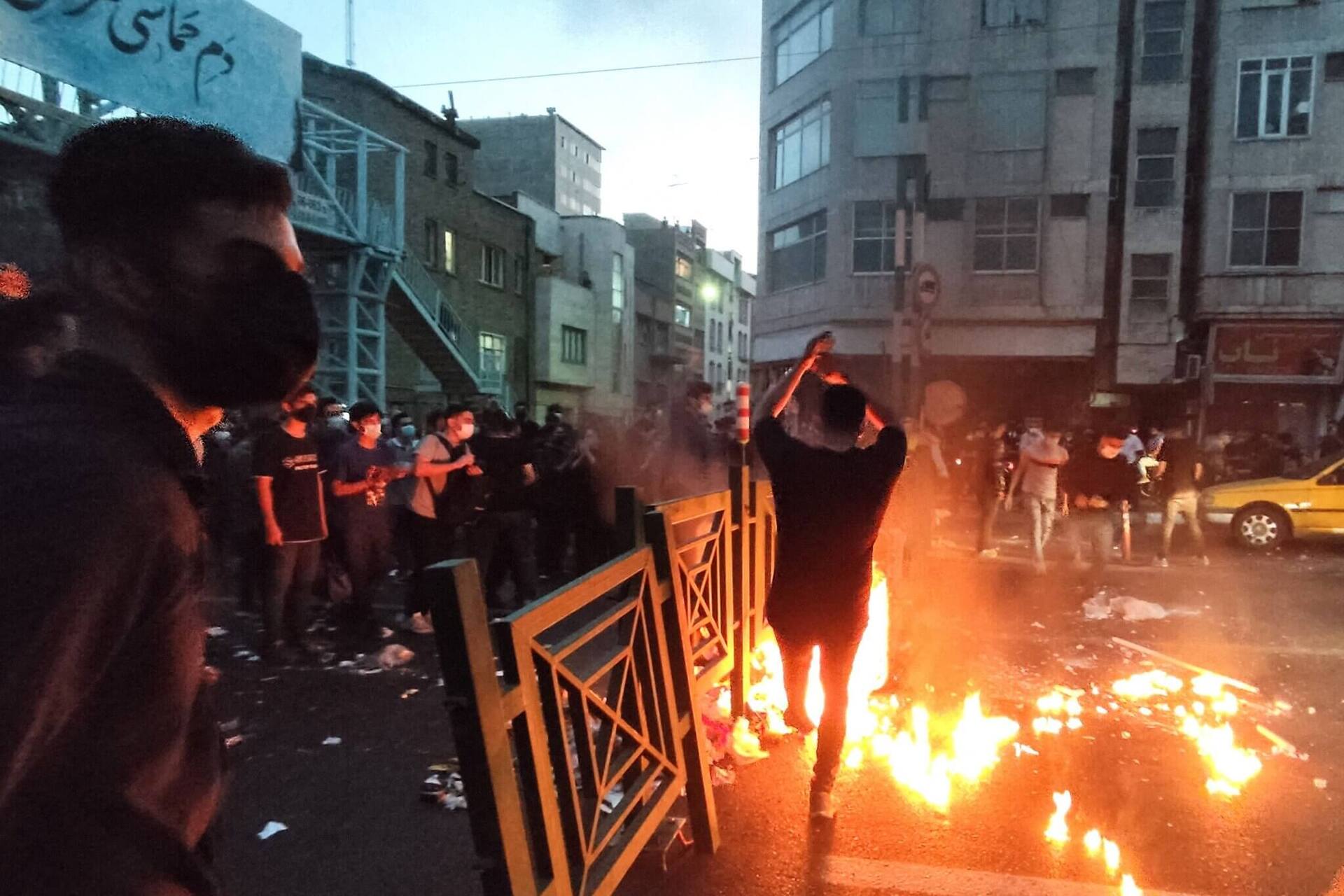
Even as the pace of anti-regime protests appears to slow, the Islamic Republic of Iran may be facing its most serious existential threat yet not from foreign powers, but from within its own diverse population. With nearly 50% of Iran’s people belonging to ethnic minority groups, experts and activists say the future of the regime may hinge on how these long-marginalized populations choose to act.
Iran’s modern regime, built around a centralized Persian identity since 1979, has never reflected the multi-ethnic reality of its own people. According to recent demographic studies:
Persians make up just 51% of Iran’s population,
Azeris account for 24%,
Kurds make up between 8% and 17%,
While Arabs and Baluchis comprise 3% and 2%, respectively.
These minority groups have endured decades of systemic discrimination, surveillance, and violent repression yet now, they are positioning themselves at the front lines of resistance.
“Ethnic groups from the establishment of the Islamic constitution in 1979 did not support it and have been fighting for their rights for 47 years,” said Shukriya Bradost, a leading expert on Iran’s ethnic minorities.
Kurdish regions in particular have erupted into hubs of organized resistance. Groups like the Kurdistan Freedom Party (PAK) and the Kurdistan Free Life Party (PJAK) report active operations in provinces like Kermanshah, Ilam, Lorestan, and Bakhtiari, carrying out what they call legitimate defense against the regime’s forces.
“This time as well, after Tehran’s suppression, the cities of Kurdistan became centers of uprising,” said Khalil Kani Sanani of the PAK. “From Kurdistan the spirit of revolt has spread toward Tehran and across all of Iran.”
The Kurdish legacy of resistance is long and bloody but unlike other regional power struggles, Kurdish movements have emphasized democracy, pluralism, and women’s rights. That’s a stark contrast to Iran’s ruling theocracy or the exiled monarchists hoping to reclaim power.
“Kurds are crucial to ensuring that one form of tyranny is not replaced by another,” said Sardar Pashaei, a former Greco-Roman wrestling champion turned human rights activist. “Their role is not symbolic it is structural.”
The regime’s response has been predictably brutal. The U.S.-based Human Rights Activists in Iran reports 2,571 confirmed protester deaths, while opposition figure Reza Pahlavi claimed the death toll exceeds 12,000. Supreme Leader Ali Khamenei is reportedly ordering widespread crackdowns through the Islamic Revolutionary Guard Corps (IRGC), particularly in restive provinces where minority fighters are gaining momentum.
But it may not be enough.
According to activists and resistance leaders, if Iran’s airspace over western provinces were closed, insurgent forces believe they could take control of key cities and even assist a broader march on Tehran with 100,000 fighters.
In short, these aren’t isolated protests they’re part of a well-organized insurgency rooted in decades of resistance, fueled by ethnic groups that no longer see any future under a centralized Persian-Islamic state.
“The current government has no capacity or program for internal democratic reforms,” said Siamand Moeini of PJAK. “We propose a democratic self-governance alternative for all regions of Iran.”
As pressure continues to mount, it’s increasingly clear that Iran’s minorities especially the Kurds will shape whatever comes next. Whether it’s the collapse of the regime or the rise of a new democratic system, Tehran will no longer be able to ignore the other half of the nation it’s tried to silence for nearly 50 years.
Share this article or subscribe to our newsletter for updates to expose how Iran’s future may lie in the hands of the very people it’s spent decades oppressing.