- Conservative Fix
- Posts
- Hungary's Energy Security Rocked by Russian Pipeline Fears
Hungary's Energy Security Rocked by Russian Pipeline Fears
Concerns intensify over Hungary's reliance on Russian gas as pipeline doubts surface.
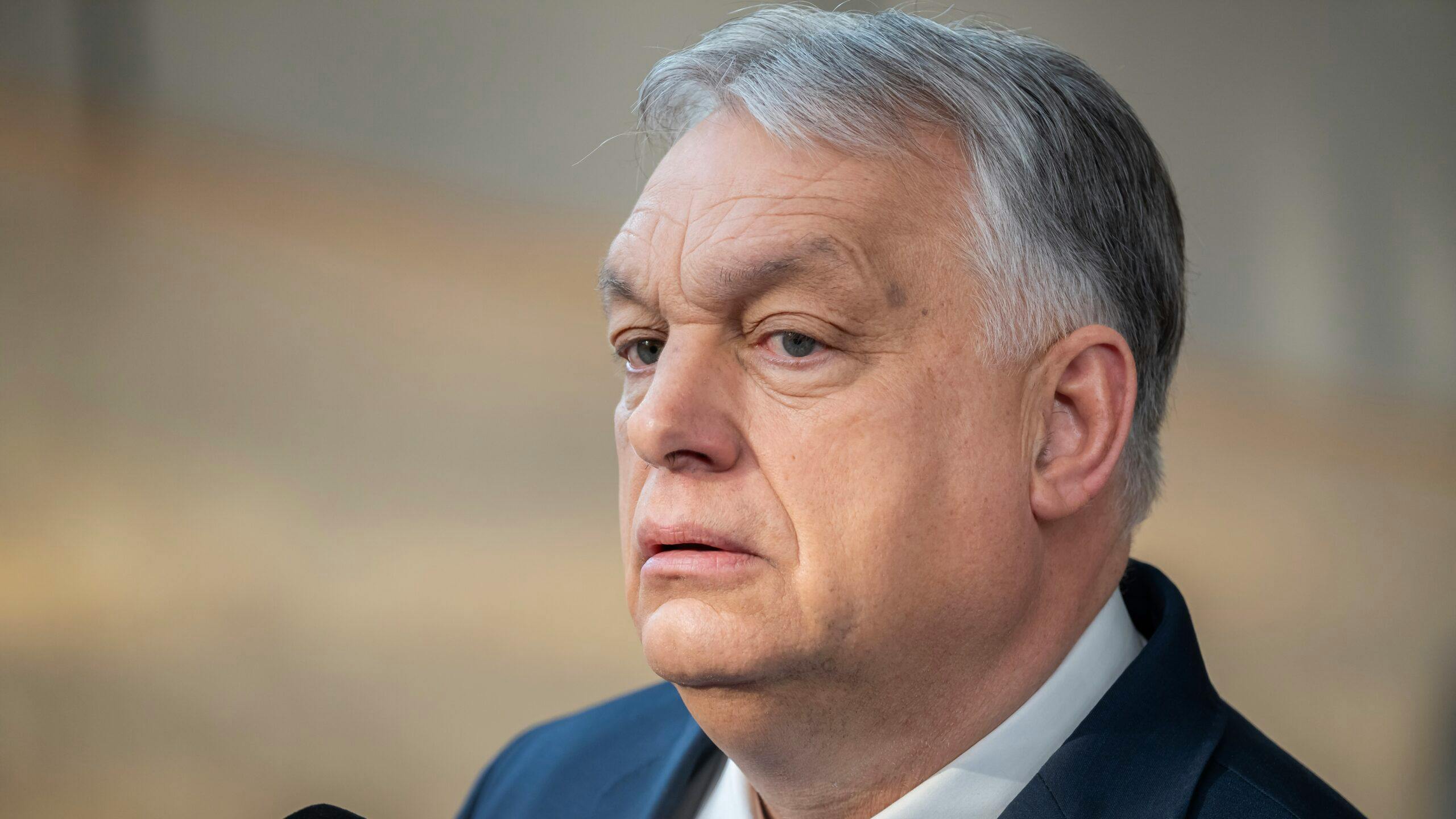
Pipeline Panic Grips Hungary
Hungary faces growing anxieties over the security of its energy supply, specifically concerning the long-term reliability of Russian gas pipelines. Rising questions about the operational integrity and political vulnerability of these pipelines are fueling national debate and prompting calls for diversification of energy sources.
The Nord Stream Shadow
The sabotage of the Nord Stream pipelines in 2022 sent shockwaves throughout Europe, including Hungary, despite not directly impacting its gas supply at the time. This incident highlighted the inherent vulnerability of underwater pipelines and the potential for politically motivated attacks on critical energy infrastructure. While Hungary's gas supply primarily arrives via the TurkStream pipeline and overland routes, the Nord Stream event served as a stark reminder of the fragility of international energy networks. The lingering questions surrounding the perpetrators and motives behind the Nord Stream attack continue to fuel speculation and unease across the continent.
Dependence on Russian Gas: A Double-Edged Sword
Hungary's reliance on Russian gas is a well-documented and often criticized aspect of its energy policy. While the Hungarian government maintains that Russian gas provides a stable and affordable energy source, critics argue that this dependence makes the nation vulnerable to political pressure from Moscow. According to Eurostat data, in 2021, before the full impact of the Ukraine war, Hungary imported approximately 80% of its natural gas from Russia. This high level of dependence contrasts sharply with other European nations actively seeking to reduce their reliance on Russian energy.
The situation is further complicated by Hungary's geographical location. Landlocked and lacking significant domestic energy resources, Hungary has historically relied on pipelines transiting other countries to secure its energy needs. This reliance on transit countries adds another layer of complexity and potential vulnerability to Hungary's energy security.
Geopolitical Tensions Rise
The ongoing war in Ukraine has only exacerbated concerns about the security of Russian gas supplies to Hungary. While gas flows have remained relatively stable thus far, the potential for disruptions due to military activity or political disputes remains a significant concern. Hungary's cautious stance on the conflict, often differing from the unified approach of the European Union, has further strained relations with some of its allies, potentially impacting its ability to secure alternative energy sources through collaborative efforts.
The European Union's efforts to reduce overall dependence on Russian gas have placed additional pressure on Hungary. While Hungary has secured exemptions from some EU sanctions on Russian energy, the long-term trend towards diversification is undeniable. Hungary must navigate this evolving landscape while balancing its energy needs with its geopolitical considerations.
Alternative Energy Sources: A Slow Transition
The Hungarian government has acknowledged the need to diversify its energy sources and reduce its reliance on Russian gas. However, progress in this area has been slow. Plans to expand nuclear power capacity at the Paks nuclear power plant, with Russian involvement, have faced delays and criticism. While renewable energy sources such as solar and wind power are gaining traction, they currently account for a relatively small percentage of Hungary's overall energy mix.
According to a recent report by the Hungarian Energy and Public Utility Regulatory Authority (MEKH), renewable energy sources accounted for approximately 15% of Hungary's electricity generation in 2023. While this represents an increase from previous years, it still lags behind the EU average. Expanding renewable energy capacity will require significant investment and infrastructure development, as well as overcoming regulatory hurdles and public acceptance challenges.
The TurkStream Pipeline: A Perceived Lifeline
The TurkStream pipeline, which transports Russian gas to Turkey and then on to Europe, including Hungary, is often touted as a more secure alternative to pipelines transiting Ukraine. However, even this pipeline is not immune to potential disruptions. Political instability in the region, as well as the potential for technical issues or sabotage, could impact gas flows through TurkStream. Furthermore, the pipeline's reliance on Turkish control adds another layer of geopolitical complexity.
The TurkStream pipeline has a total capacity of 31.5 billion cubic meters per year, with one line dedicated to supplying Turkey and the other to supplying Europe. Hungary receives gas via the Balkan Stream pipeline, an extension of TurkStream. While this pipeline has provided a relatively stable supply of gas to Hungary in recent years, it is crucial to recognize that it is not a completely risk-free alternative to other routes.
Economic Implications of Energy Insecurity
The potential for disruptions to gas supplies has significant economic implications for Hungary. Rising energy prices could impact businesses and households, leading to inflation and reduced economic growth. Furthermore, uncertainty about energy security could deter foreign investment and undermine Hungary's competitiveness.
According to a study by the Hungarian Central Statistical Office (KSH), energy costs account for a significant portion of household expenditures, particularly for low-income families. Any sharp increase in energy prices could disproportionately impact vulnerable populations. The government has implemented various measures to mitigate the impact of rising energy costs, including price caps and subsidies. However, these measures are not sustainable in the long term and do not address the underlying issue of energy insecurity.
Public Opinion and Government Response
Public opinion in Hungary is divided on the issue of energy security. While there is broad agreement on the need to ensure a stable and affordable energy supply, there are differing views on the best way to achieve this goal. Some support maintaining close ties with Russia, while others advocate for a more diversified approach, including greater reliance on renewable energy and alternative gas suppliers.
The Hungarian government faces a difficult balancing act. It must address public concerns about energy security while also navigating the complex geopolitical landscape and managing its relationship with the European Union. The government's response to the energy crisis will have significant implications for Hungary's future economic and political stability.
The Path Forward: Diversification and Resilience
To mitigate the risks associated with its reliance on Russian gas, Hungary must prioritize diversification of its energy sources and enhance its energy resilience. This includes investing in renewable energy, developing alternative gas supply routes, and improving energy efficiency. Hungary must also strengthen its cooperation with its European partners to ensure a coordinated response to potential energy disruptions.
Specifically, Hungary could explore options for importing liquefied natural gas (LNG) from alternative sources. While Hungary lacks a direct coastline, it could potentially access LNG terminals in neighboring countries such as Croatia or Poland. Investing in interconnector pipelines would be crucial to facilitate the transport of LNG to Hungary.
Furthermore, Hungary should invest in energy storage capacity to buffer against potential supply disruptions. Gas storage facilities can provide a crucial buffer during periods of high demand or supply shortages. Increasing storage capacity would enhance Hungary's ability to withstand disruptions and maintain a stable energy supply. As of 2023, Hungary's gas storage capacity was approximately 6.3 billion cubic meters, representing roughly 60% of its annual gas consumption.
Conclusion: A Call for Vigilance and Action
The growing concerns about the security of Russian gas pipelines highlight the urgent need for Hungary to address its energy vulnerabilities. Diversification of energy sources, enhanced energy resilience, and strengthened regional cooperation are essential to ensure a stable and affordable energy supply for Hungary's future. Failing to address these challenges could have significant economic and political consequences.