- Conservative Fix
- Posts
- Hollywood's Woke Humor Crisis Deepens
Hollywood's Woke Humor Crisis Deepens
The fallout from recent late-night controversies reveals a growing disconnect between liberal entertainment and mainstream America.
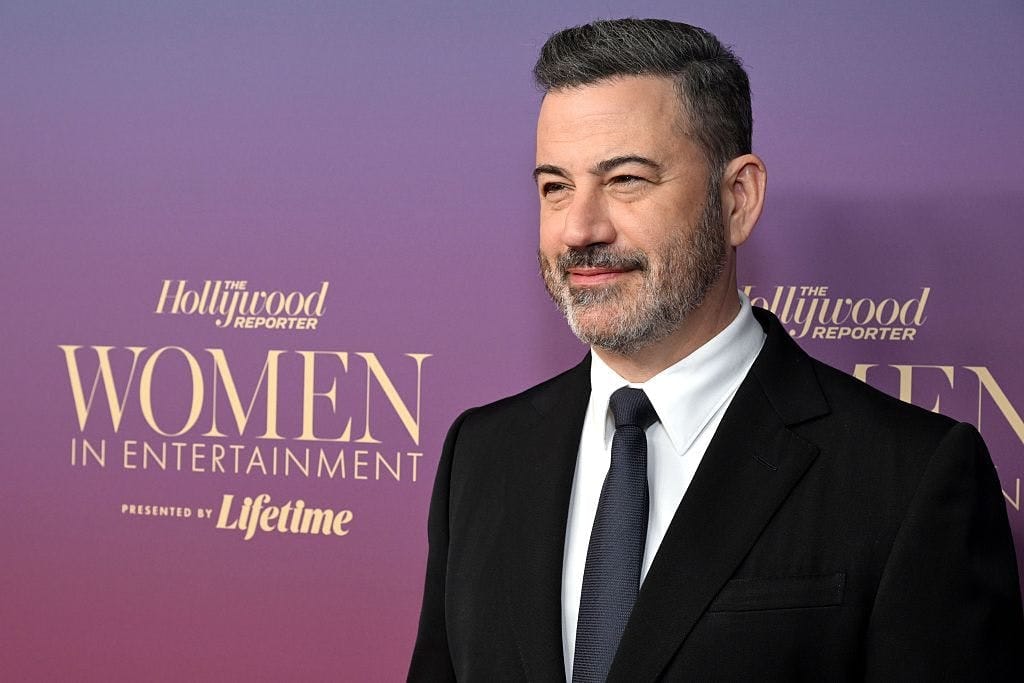
Late-Night's Ratings Slide Continues
Recent controversies surrounding late-night television hosts have reignited the debate over the role of political commentary in entertainment, and whether perceived bias is alienating a significant portion of the audience. The focus is not simply on individual jokes or segments, but on the broader trend of increasingly partisan content from platforms traditionally seen as offering lighthearted escapism. This trend coincides with declining viewership across the late-night landscape, raising questions about the format's future viability.
The issue isn't about whether comedians should express their political views. It's about the impact those views have on their audience and, ultimately, their bottom line. For years, late-night television thrived on its ability to unite viewers across the political spectrum through shared laughter. Now, many feel increasingly excluded from the conversation.
The Conservative Critique
Conservatives have long accused Hollywood of harboring a liberal bias. Critics argue that this bias is now more overt and pervasive than ever, influencing not only scripted shows and movies, but also purportedly non-partisan formats like late-night talk shows. They contend that the near-unanimity of liberal viewpoints within the entertainment industry creates an echo chamber, stifling dissenting voices and reinforcing existing stereotypes.
A common complaint is that jokes targeting conservative figures or policies are often delivered with a level of vitriol and contempt that goes beyond mere political satire. This, they argue, creates a hostile environment for conservative viewers, who may feel that their values and beliefs are being mocked and ridiculed. Furthermore, some critics point to what they perceive as a double standard, where jokes about liberal figures are often more gentle and forgiving, or even nonexistent.
Adding fuel to the fire, many conservatives see a pattern of apologies and retractions when comedians face backlash for jokes deemed offensive by the left, while similar apologies are rarely offered when jokes offend conservative sensibilities. This perceived imbalance reinforces the perception that Hollywood is more concerned with appeasing one side of the political spectrum than the other.
The Data Tells a Story
While correlation doesn't equal causation, the ratings decline in late-night television is undeniable. According to Nielsen data, overall viewership for late-night talk shows has decreased by nearly 40% over the past decade. This decline predates the most recent controversies, suggesting that other factors are at play. However, some analysts believe that the increasing politicization of late-night has exacerbated the problem, driving away viewers who are tired of partisan bickering.
For example, one study by the Pew Research Center found that 64% of Republicans believe that the entertainment industry is out of touch with the values of most Americans. This sentiment, combined with the proliferation of alternative entertainment options, has led many conservatives to simply tune out of late-night television altogether. Furthermore, data from Comscore reveals a significant drop in the percentage of households identifying as politically conservative that regularly watch late-night programs, particularly in the key demographic of 25-54 year olds.
Furthermore, a 2023 Gallup poll showed that trust in television as a news source is at an all-time low, with only 14% of Republicans expressing a great deal or quite a lot of confidence in it. This broader trend of declining trust in mainstream media likely contributes to the skepticism that conservatives feel towards late-night talk shows, even those that are ostensibly apolitical.
The Economic Realities
Declining viewership has serious economic consequences for late-night television. As ratings fall, advertising revenue decreases, putting pressure on networks to cut costs. This can lead to lower production values, fewer staff members, and ultimately, a less compelling product. The vicious cycle can be difficult to break, as declining quality further alienates viewers and accelerates the downward spiral.
Beyond the immediate financial impact, the politicization of late-night also raises questions about the long-term sustainability of the format. If a significant portion of the audience feels excluded or alienated, it becomes increasingly difficult to attract new viewers and maintain a loyal following. This, in turn, can lead to a decline in the cultural relevance of late-night television, as it becomes increasingly niche and insular.
The Response from the Left
Defenders of the current late-night landscape argue that comedians have a responsibility to speak truth to power and to use their platforms to advocate for progressive causes. They contend that jokes targeting conservative figures are often justified by the policies and rhetoric of those figures, and that criticism of the entertainment industry's liberal bias is often motivated by bad faith.
Some also argue that the focus on ratings is misplaced, and that late-night television should be judged by its cultural impact rather than its commercial success. They point to instances where late-night hosts have used their platforms to raise awareness about important social issues, to promote charitable causes, and to hold powerful figures accountable. In this view, the political commentary of late-night is a valuable public service, even if it alienates some viewers.
However, even some on the left acknowledge that the current late-night landscape is not without its problems. Some critics argue that the relentless focus on politics has become exhausting and divisive, and that late-night hosts need to find a better balance between humor and commentary. Others argue that the lack of diversity in late-night television, both in terms of hosts and writers, contributes to the perception of bias and exclusion.
The Path Forward
The future of late-night television is uncertain. The format faces a number of challenges, including declining viewership, increasing competition from streaming services, and the growing politicization of entertainment. To survive and thrive, late-night hosts may need to find new ways to connect with audiences across the political spectrum.
One possible solution is to focus more on universal themes and human experiences, rather than getting bogged down in partisan bickering. Another is to embrace a wider range of comedic styles and perspectives, creating a more inclusive and welcoming environment for all viewers. Ultimately, the key to success may lie in finding a way to be both funny and insightful, without alienating or excluding a significant portion of the audience.
The challenge is significant. Can late-night television evolve to meet the demands of a rapidly changing media landscape, or will it become a relic of the past? Only time will tell. What is clear is that the current model is unsustainable. Change is coming, whether the industry is ready for it or not.
One thing is certain: the American public still craves humor and connection. If late-night can rediscover its ability to provide both, it may yet have a future. If not, other platforms will step in to fill the void.