- Conservative Fix
- Posts
- Hamas Suspect Nabbed After Decades in US
Hamas Suspect Nabbed After Decades in US
An alleged Hamas operative, living in America for decades, has been arrested by ICE, raising questions about immigration enforcement and potential national security gaps.
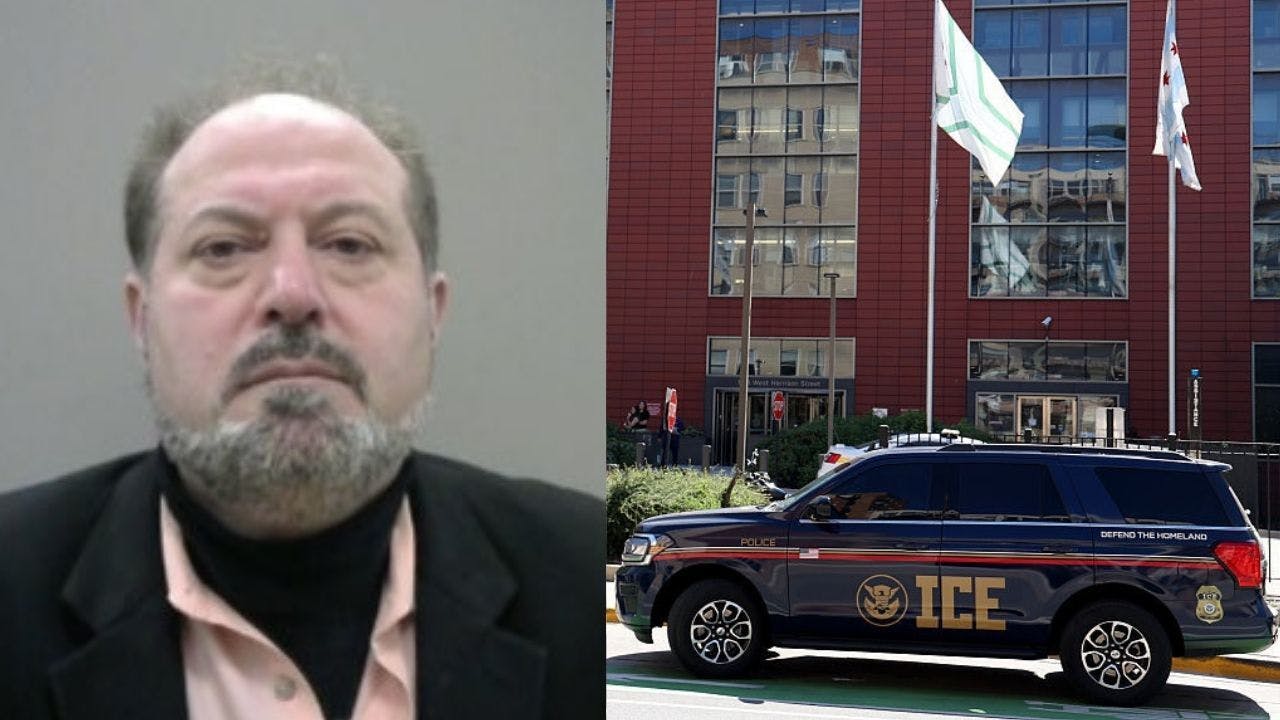
ICE Nabs Longtime US Resident Accused of Aiding Hamas
Federal immigration authorities have arrested a man accused of providing material support to Hamas, a U.S.-designated foreign terrorist organization. The individual, who has resided in the United States for several decades, now faces deportation proceedings, sparking renewed debate over the vetting process for immigrants and the potential for radical elements to infiltrate American communities.
The arrest was carried out by agents from Immigration and Customs Enforcement (ICE), acting on information developed over an extensive investigation. Details of the investigation remain sealed, but sources familiar with the case indicate the individual is suspected of providing financial and logistical assistance to Hamas operatives. This assistance allegedly included funneling money to the organization and facilitating travel for individuals seeking to join its ranks.
The case is particularly sensitive given the length of time the suspect has lived in the United States. He reportedly entered the country legally, initially on a temporary visa, and subsequently adjusted his status. The circumstances surrounding his initial entry and subsequent residency are now under intense scrutiny, as investigators seek to determine how an individual allegedly involved in terrorist financing could have remained undetected for so long. This arrest highlights the challenges faced by law enforcement in identifying and monitoring potential threats within the immigrant population, especially those who may have become radicalized after entering the country.
"We take all allegations of material support for terrorism extremely seriously," said a spokesperson for ICE. "Our agents are committed to ensuring the safety and security of the American people, and we will continue to work tirelessly to identify and remove individuals who pose a threat to our national security."
The Path to Alleged Radicalization
One of the key questions surrounding this case is how the individual in question allegedly became involved with Hamas. While the full details of his activities remain under investigation, it is believed that he became increasingly sympathetic to the Palestinian cause over time. This sympathy allegedly morphed into active support for Hamas, which the U.S. State Department has designated as a terrorist organization since 1997. The group has been responsible for numerous attacks against civilians, including suicide bombings and rocket attacks. According to a 2023 report by the Congressional Research Service, Hamas has an estimated 20,000 to 25,000 active fighters.
Sources suggest the individual may have been influenced by radical Islamist ideology propagated through online platforms and extremist networks. The internet has become a breeding ground for radicalization, allowing individuals to be exposed to extremist propaganda and connect with like-minded individuals from around the world. The ease with which individuals can access and disseminate extremist content online poses a significant challenge to law enforcement and intelligence agencies.
Furthermore, some experts argue that the individual's alleged radicalization may have been fueled by a sense of alienation and disenfranchisement. The feeling of not belonging or being marginalized can make individuals more susceptible to extremist ideologies that offer a sense of purpose and belonging. This is especially true for immigrants who may face cultural and economic challenges in their new country. However, it is crucial to emphasize that the vast majority of immigrants are law-abiding and contribute positively to American society. This case should not be used to demonize or stereotype the entire immigrant community.
Immigration Enforcement and National Security
The arrest of this alleged Hamas operative has reignited the debate over immigration enforcement and its impact on national security. Critics of current immigration policies argue that the vetting process is not rigorous enough and that potential threats are slipping through the cracks. They point to cases like this as evidence that more needs to be done to identify and remove individuals who pose a risk to American security. In 2022, the Department of Homeland Security reported that over 1.7 million individuals were deemed inadmissible or were removed from the United States.
"This case underscores the urgent need for comprehensive immigration reform that prioritizes national security," said a leading voice in the conservative movement. "We must ensure that those who seek to enter our country are thoroughly vetted and that those who pose a threat are swiftly removed."
Proponents of stricter immigration enforcement also argue for increased funding for ICE and other law enforcement agencies responsible for identifying and removing individuals who violate immigration laws. They believe that these agencies are understaffed and underfunded, making it difficult for them to effectively carry out their mission. According to data from the Transactional Records Access Clearinghouse (TRAC) at Syracuse University, immigration court backlogs have reached historic highs, with over 2 million pending cases as of 2023. This backlog further complicates the process of identifying and removing potential threats.
However, civil rights advocates caution against using this case to justify broad-based restrictions on immigration. They argue that such measures would be discriminatory and ineffective and that they would undermine America's tradition of welcoming immigrants from all over the world. They also point out that the vast majority of immigrants are not involved in terrorism and that they contribute significantly to the American economy and culture. A 2018 study by the National Academies of Sciences, Engineering, and Medicine found that immigrants contribute significantly to the U.S. economy, often starting businesses at higher rates than native-born citizens.
"We must be careful not to scapegoat immigrants in the name of national security," said a spokesperson for a leading civil rights organization. "This case should be investigated thoroughly, but it should not be used as a pretext for enacting discriminatory policies that target entire communities."
The Role of Mosques and Community Centers
The case has also raised questions about the role of mosques and community centers in preventing radicalization. Some critics argue that these institutions should be doing more to identify and report individuals who may be at risk of becoming involved in extremism. They believe that religious leaders and community leaders have a responsibility to speak out against extremism and to promote moderate Islamic values.
However, Muslim community leaders argue that they are already actively working to counter extremism and that they are often the first to identify and report potential threats to law enforcement. They point to numerous initiatives that they have launched to promote tolerance, understanding, and civic engagement. They also caution against unfairly targeting Muslim communities or holding them collectively responsible for the actions of a few individuals. A 2011 study by the Triangle Center on Terrorism and Homeland Security found that tips from the Muslim American community are the single largest source of initial information leading to the disruption of terrorist plots in the United States.
"We are committed to working with law enforcement to combat extremism in all its forms," said a prominent Muslim leader. "But we must also be vigilant against Islamophobia and discrimination, which only serve to alienate and marginalize our community."
Legal Challenges and Deportation Proceedings
The individual arrested by ICE is now facing deportation proceedings. He will have the opportunity to present his case before an immigration judge, who will determine whether he is removable from the United States. The legal process can be lengthy and complex, and the individual may have the right to appeal any adverse decision to higher courts.
One of the key legal challenges in this case will be whether the government can prove that the individual provided material support to Hamas. The government will need to present evidence that the individual knowingly and intentionally provided assistance to the organization, and that this assistance was substantial. The individual's lawyers are likely to argue that the government's evidence is insufficient or that the individual's actions were not intended to support terrorism. They may also argue that the individual's due process rights were violated during the investigation or arrest.
If the immigration judge determines that the individual is removable, he will be deported to his country of origin. However, the deportation process can be delayed or blocked if the individual can demonstrate that he would face persecution or torture in his home country. He may also be able to seek asylum in the United States if he can show that he has a well-founded fear of persecution based on his race, religion, nationality, political opinion, or membership in a particular social group. The outcome of these proceedings will likely have significant implications for both the individual involved and the broader debate over immigration enforcement and national security. The case serves as a stark reminder of the ongoing challenges in balancing the need to protect national security with the principles of due process and fairness.
The investigation continues, and further details are expected to emerge as the case progresses. What is clear is that this arrest has placed a spotlight on the vulnerabilities within our immigration system and the potential for individuals with ties to terrorism to exploit those weaknesses. It is a wake-up call that demands a comprehensive review of our immigration policies and a renewed commitment to ensuring the safety and security of the American people. According to a 2020 Government Accountability Office (GAO) report, weaknesses remain in the vetting processes for certain immigration benefits, potentially allowing individuals with ties to terrorism or criminal activity to obtain legal status in the United States. Addressing these weaknesses is paramount to safeguarding our nation's security.