- Conservative Fix
- Posts
- GOP Infighting Erupts Over Haitian Immigration Bill
GOP Infighting Erupts Over Haitian Immigration Bill
Former Trump officials blast legislation they say rewards illegal immigration and undermines national security.
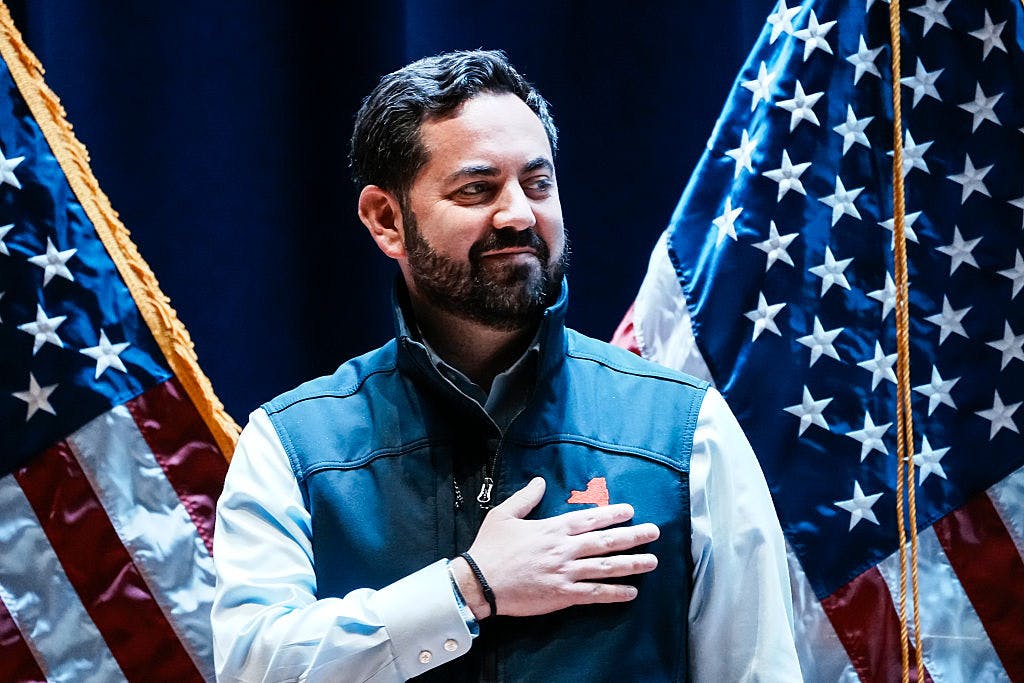
Trump Allies Decry Haitian Immigration Bill
A contentious bill making its way through Congress concerning Haitian immigration has ignited a firestorm of criticism from former Trump administration officials and conservative activists. The bill, proponents argue, offers a pathway to legal status for certain Haitian nationals currently residing in the United States. However, critics contend that the legislation effectively rewards illegal immigration, weakens border security, and could potentially strain social services.
The core of the dispute centers on the bill's provisions regarding eligibility for legal residency. While specific details vary depending on the proposed legislation, the general aim is to provide a route to citizenship for Haitians who have been living in the United States for a specified period- often several years. Supporters claim this is a compassionate response to the ongoing political and economic instability in Haiti, which has been plagued by natural disasters, gang violence, and government corruption.
Critics, however, view the bill as a dangerous precedent. They argue that it incentivizes future illegal immigration by signaling that those who successfully enter the United States illegally may eventually be granted legal status. This, they say, undermines the rule of law and encourages further border crossings, exacerbating the existing immigration crisis. The debate has exposed deep divisions within the Republican party, with some members supporting the bill on humanitarian grounds while others staunchly oppose it on principles of border security and immigration enforcement.
Security Concerns Raised
Beyond the legal and economic implications, the bill has also raised significant national security concerns. Opponents argue that it could potentially allow individuals with criminal backgrounds or ties to foreign adversaries to gain legal access to the United States. Given the porous nature of the border and the challenges in thoroughly vetting individuals from countries with limited record-keeping, they believe the risk of admitting dangerous individuals is unacceptably high. According to a 2023 report by the Center for Immigration Studies, approximately 39% of non-citizens convicted of crimes in the United States were previously deported- only to re-enter the country illegally.
Adding fuel to the fire, a former senior official from the Department of Homeland Security (DHS) has publicly condemned the bill, stating that it represents a 'grave threat' to national security. This official, who spoke on the condition of anonymity, cited concerns about the potential for exploitation by criminal organizations and the difficulty in accurately verifying the identities of Haitian nationals. Furthermore, the official warned that the bill could strain already limited resources at DHS, diverting attention and manpower from other critical security priorities.
The Trump administration, during its tenure, took a hard-line stance on immigration enforcement, prioritizing border security and deporting undocumented immigrants. The former administration also ended Temporary Protected Status (TPS) for Haitian nationals, a decision that was met with legal challenges and widespread criticism from human rights groups. This historical context underscores the stark contrast between the current bill and the previous administration's policies, highlighting the ongoing debate within the Republican party regarding immigration reform.
The Humanitarian Argument
Proponents of the bill emphasize the humanitarian crisis in Haiti and the need to provide safe haven for those fleeing violence and instability. They argue that many Haitian nationals have established deep roots in the United States, contributing to their communities and economies. Deporting these individuals back to Haiti, they contend, would be not only inhumane but also counterproductive, as it would deprive the United States of valuable workers and taxpayers. Data from the New American Economy shows that immigrants in the United States paid $492.2 billion in taxes and held $1.3 trillion in spending power in 2019.
Moreover, supporters point out that the bill includes provisions for background checks and security screenings to ensure that only law-abiding individuals are eligible for legal status. They maintain that these safeguards are sufficient to mitigate the risks associated with admitting individuals from Haiti. They also emphasize the importance of providing a pathway to citizenship for Haitian nationals who have been living in the United States for many years, contributing to the economy, and raising families. Forcing these individuals to live in the shadows, they argue, is not only unjust but also detrimental to society as a whole.
“We have a moral obligation to help those who are fleeing violence and persecution,” stated a prominent advocate for the bill, speaking at a recent press conference. “These are people who have already contributed so much to our country, and they deserve the opportunity to live here legally and without fear.”
Economic Impact and Social Services
Another key point of contention is the potential economic impact of the bill. Critics argue that providing legal status to a large number of Haitian nationals could strain social services, such as healthcare, education, and housing. They also express concerns that it could depress wages for low-skilled workers, as newly legalized immigrants compete for jobs. According to a 2017 report by the National Academies of Sciences, Engineering, and Medicine, the long-term economic impact of immigration is generally positive, but there can be short-term costs, particularly for low-skilled workers and in areas with high concentrations of immigrants.
However, proponents argue that the economic benefits of the bill outweigh the potential costs. They point out that newly legalized immigrants would be able to work legally, pay taxes, and contribute to the economy. They also argue that the bill would reduce the costs associated with enforcing immigration laws, such as detention and deportation. Furthermore, they contend that immigrants are often more entrepreneurial than native-born Americans, starting businesses and creating jobs. In 2019, immigrants were nearly twice as likely as native-born Americans to start a business.
“This bill is not just about doing what is right, it is also about doing what is economically sound,” argued a prominent economist in support of the bill. “By providing a pathway to legal status for Haitian nationals, we can unlock their economic potential and create jobs for all Americans.”
The Political Landscape
The debate over the Haitian immigration bill reflects the broader political divisions surrounding immigration reform in the United States. While there is broad agreement on the need to fix the broken immigration system, there is little consensus on how to do so. Republicans are divided between those who favor stricter enforcement measures and those who support more comprehensive reforms that include a pathway to citizenship for undocumented immigrants. Democrats, on the other hand, generally favor a more lenient approach to immigration enforcement and support a pathway to citizenship for most undocumented immigrants.
The bill faces an uncertain future in Congress. While it has some support from both Republicans and Democrats, it also faces significant opposition from both sides of the aisle. It is unclear whether the bill will be able to garner enough votes to pass both the House and the Senate. Even if it does pass Congress, it is uncertain whether the President would sign it into law. The White House has not yet taken a formal position on the bill.
The controversy surrounding the Haitian immigration bill underscores the complex and politically charged nature of immigration reform. It highlights the competing values and priorities that shape the debate, including concerns about border security, national security, economic impact, and humanitarian considerations. As Congress grapples with this issue, it is crucial to consider all sides of the debate and to find solutions that are both effective and just. A recent Pew Research Center poll revealed that 73% of Americans believe there should be a pathway to legal status for immigrants who meet certain requirements, suggesting a potential for compromise on immigration reform.