- Conservative Fix
- Posts
- Germany's Nuclear Closure Haunts a Nation
Germany's Nuclear Closure Haunts a Nation
A majority of Germans now believe shuttering nuclear plants was a colossal error, as energy prices soar and dependence on foreign sources deepens.
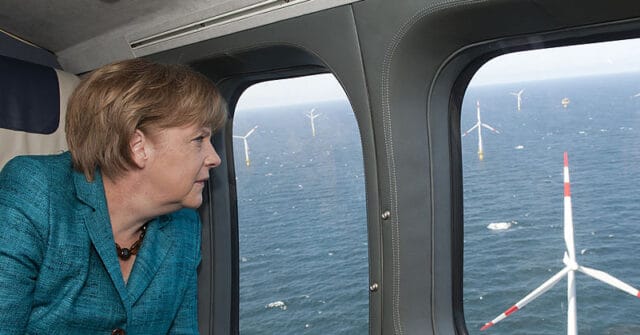
Nuclear Regret Grips Germany
A significant shift in public opinion has taken hold in Germany regarding the country's decision to completely phase out nuclear power. As energy prices skyrocket and geopolitical tensions strain energy supplies, a growing number of Germans are expressing regret over the closure of their nuclear power plants, viewing it as a critical misstep in energy policy. This sentiment reflects a broader unease about energy security and the long-term consequences of relying heavily on renewable sources and imported fossil fuels.
The End of an Era: Germany's Nuclear Exit
Germany's nuclear phase-out, known as the 'Energiewende,' was initially conceived in the early 2000s but accelerated dramatically following the Fukushima Daiichi nuclear disaster in Japan in 2011. Chancellor Angela Merkel, facing immense public pressure, made the swift decision to shut down all of Germany's nuclear power plants by the end of 2022. The last three reactors, Isar 2, Emsland, and Neckarwestheim 2, were officially disconnected from the grid on April 15, 2023, marking the definitive end of nuclear energy production in the country. This decision, intended to prioritize safety and environmental protection, has become a subject of intense debate as Germany grapples with its energy future.
Rising Energy Costs and Security Concerns
The closure of nuclear plants has had a demonstrable impact on Germany's energy landscape. According to data from the German Federal Statistical Office (Destatis), electricity prices for households increased by over 30% in the year following the final nuclear shutdown. This surge in prices has placed a significant burden on German consumers and businesses alike, fueling concerns about the affordability of energy and its impact on the national economy. Furthermore, Germany's reliance on natural gas, particularly from Russia, has been exposed as a vulnerability, especially in light of the war in Ukraine. Prior to the conflict, Russia supplied approximately 55% of Germany's natural gas needs, a dependence that has forced the country to scramble for alternative energy sources and rethink its energy strategy.
Public Opinion Shifts
While the decision to abandon nuclear power was initially met with widespread support, public sentiment has undergone a notable transformation. Recent polls indicate that a majority of Germans now believe that the nuclear phase-out was a mistake. This shift in opinion is driven by a combination of factors, including rising energy costs, concerns about energy security, and a growing awareness of the environmental impact of relying on fossil fuels. Many Germans feel that the government acted too hastily in shutting down nuclear plants without adequately addressing the potential consequences.
The Renewable Energy Gap
The 'Energiewende' was predicated on the idea that renewable energy sources, such as solar and wind, could quickly replace nuclear power. However, the transition has proven to be more challenging than anticipated. While Germany has made significant investments in renewable energy infrastructure, these sources are inherently intermittent and dependent on weather conditions. On days with low wind speeds or limited sunshine, Germany still relies heavily on fossil fuels, particularly coal, to meet its energy demands. This reliance on coal has undermined Germany's efforts to reduce carbon emissions and has raised concerns about the environmental sustainability of its energy policy. According to a report by Agora Energiewende, a Berlin-based think tank, Germany's carbon emissions actually increased in 2021 and 2022, largely due to the increased use of coal-fired power plants.
The Coal Conundrum
Ironically, the closure of nuclear plants has led to an increased reliance on coal-fired power generation, one of the most carbon-intensive forms of energy production. This has created a significant dilemma for Germany, as it struggles to balance its commitment to reducing carbon emissions with the need to ensure a reliable and affordable energy supply. The German government has pledged to phase out coal by 2038, but this timeline is now being questioned, with some advocating for a faster transition to renewable energy and others arguing for a more gradual approach that takes into account the need for energy security and affordability.
The Geopolitical Dimension
The war in Ukraine has further complicated Germany's energy situation, exposing its vulnerability to geopolitical risks. The country's heavy reliance on Russian natural gas has made it susceptible to supply disruptions and price fluctuations. This has forced Germany to seek alternative sources of energy, including liquefied natural gas (LNG) from the United States and other countries. However, these alternatives are often more expensive and less reliable than Russian gas, further exacerbating Germany's energy challenges. Moreover, the construction of new LNG terminals in Germany has faced opposition from environmental groups and local communities, highlighting the complex trade-offs involved in ensuring energy security.
Debate Over Future Energy Policy
The current energy crisis has sparked a heated debate in Germany about the future of its energy policy. Some argue that Germany should reconsider its decision to abandon nuclear power and explore the possibility of restarting some of the closed reactors. Others maintain that Germany should stick to its commitment to renewable energy and accelerate the transition away from fossil fuels. Still others advocate for a more diversified energy mix that includes natural gas, hydrogen, and other alternative energy sources. The debate is further complicated by the fact that Germany is a member of the European Union, which has its own energy policies and regulations. Germany must therefore balance its national interests with its obligations as an EU member state.
The Cost of Nuclear Decommissioning
The decommissioning of Germany's nuclear power plants is a complex and expensive undertaking. The process involves dismantling the reactors, removing radioactive waste, and restoring the sites to their original condition. The German government has set aside billions of euros to cover the costs of decommissioning, but some experts believe that the actual costs could be significantly higher. The decommissioning process is also time-consuming, and it could take decades to complete. Furthermore, the disposal of nuclear waste remains a major challenge, as there is currently no permanent storage facility for high-level radioactive waste in Germany. The search for a suitable site for a nuclear waste repository has been ongoing for decades and has faced strong opposition from local communities.
The Potential for Nuclear Innovation
While Germany has abandoned nuclear power, other countries are continuing to invest in nuclear innovation. New reactor designs, such as small modular reactors (SMRs), are being developed that are safer, more efficient, and less expensive than traditional nuclear reactors. Some argue that Germany should reconsider its stance on nuclear power and explore the potential of these new technologies. SMRs, for instance, offer the potential for more decentralized energy production and could be deployed in areas where traditional nuclear power plants are not feasible. Additionally, advancements in nuclear fusion technology offer the long-term promise of clean, virtually limitless energy. While fusion power is still in the research and development phase, it has the potential to revolutionize the energy landscape and provide a sustainable solution to the world's energy needs.
Germany's Energy Future: A Crossroads
Germany stands at a crossroads in its energy policy. The decisions it makes in the coming years will have far-reaching consequences for its economy, its environment, and its role in the world. As energy prices continue to rise and geopolitical tensions remain high, Germany must find a way to ensure a reliable, affordable, and sustainable energy supply. Whether it will involve revisiting nuclear power, accelerating the transition to renewable energy, or embracing a more diversified energy mix remains to be seen. One thing is certain: the energy crisis has forced Germany to confront the complex challenges of energy policy and to rethink its approach to energy security and sustainability. A recent study by the Institute for Economic Affairs found that extending the lifespan of Germany's existing nuclear plants could reduce carbon emissions by up to 15% compared to relying on coal-fired power. This underscores the significant environmental impact of the nuclear phase-out and the potential benefits of reconsidering it. According to a survey conducted by INSA Consulere in late 2023, nearly 60% of Germans would support temporarily restarting nuclear power plants to alleviate energy shortages. This demonstrates a growing willingness among the public to consider nuclear power as a viable option, despite previous concerns. Finally, analysis from the German Economic Institute (IW) suggests that the nuclear phase-out has cost the German economy billions of euros in lost productivity and increased energy costs. This highlights the economic consequences of the decision and the need for a more comprehensive assessment of the costs and benefits of different energy policies.