- Conservative Fix
- Posts
- FDA Abortion Pill Fight Looms Large for Trump
FDA Abortion Pill Fight Looms Large for Trump
With a new administration on the horizon, the future of abortion drug access hangs in the balance, igniting a fierce debate over safety and states' rights.
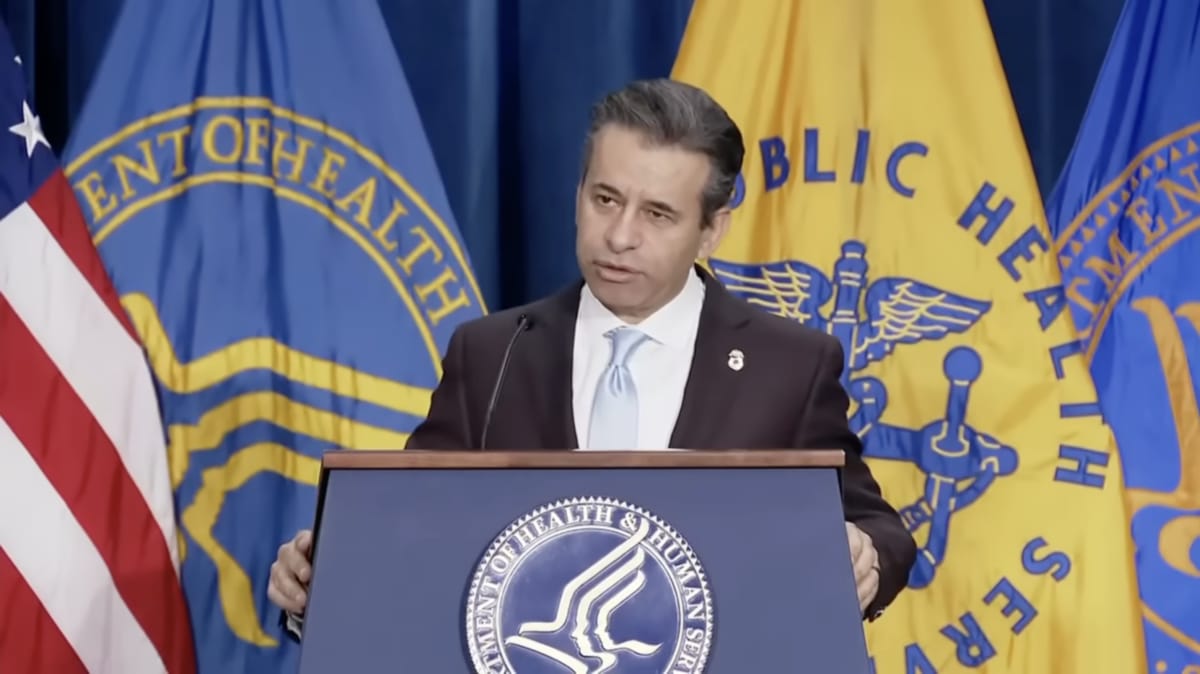
The Abortion Pill Battleground Shifts
The future of abortion access in America hinges significantly on the regulation of abortion pills, specifically mifepristone. As a new administration prepares to take office, pro-life advocates are keenly watching for potential shifts in policy from the Food and Drug Administration (FDA) regarding the availability and safety protocols surrounding this medication.
The debate surrounding mifepristone is complex, involving questions of federal versus state authority, scientific evidence, and deeply held moral beliefs. The FDA's current stance, which allows for broader access to the drug, has been a consistent point of contention, and any changes to this policy could have sweeping consequences for women's healthcare and reproductive rights across the nation.
Mifepristone: A Closer Look
Mifepristone, often used in conjunction with misoprostol, is approved by the FDA for terminating pregnancies up to ten weeks gestation. The FDA's initial approval of mifepristone came in 2000, and over the years, regulations surrounding its use have evolved. In 2016, the FDA updated the drug's label, extending the gestational age limit and allowing non-physicians, such as nurse practitioners and physician assistants, to prescribe it. This change significantly broadened access to medication abortion, particularly in rural areas with limited access to physicians.
In 2021, during the COVID-19 pandemic, the FDA further relaxed restrictions on mifepristone, allowing it to be dispensed by mail. This decision, initially presented as a temporary measure, was later made permanent in December 2021, further increasing access to the drug. According to a Guttmacher Institute study, medication abortion now accounts for more than half of all abortions in the United States. This highlights the significant impact of the FDA's regulatory decisions on abortion access.
A 2023 study published in *Obstetrics & Gynecology* found that adverse events related to mifepristone are rare, occurring in less than 1% of cases. This statistic is often cited by proponents of expanded access to the drug, who argue that it is a safe and effective method of terminating early pregnancies.
Pro-Life Concerns and the FDA
Pro-life organizations and lawmakers have consistently raised concerns about the safety of mifepristone and the potential for adverse effects on women's health. They argue that the FDA's approval process was rushed and that the long-term effects of the drug have not been adequately studied. They also express concerns about the lack of in-person medical supervision when mifepristone is dispensed by mail, arguing that this could lead to complications being overlooked or inadequately treated.
One of the central arguments made by pro-life advocates is that the FDA's Risk Evaluation and Mitigation Strategy (REMS) for mifepristone is insufficient to protect women's health. The REMS currently requires that mifepristone be prescribed by a certified healthcare provider and that patients be provided with information about the risks and potential complications of the drug. However, critics argue that these measures are not enough to ensure patient safety, particularly in the context of telemedicine abortions.
Furthermore, concerns have been raised about the reporting of adverse events related to mifepristone. Critics argue that the FDA's adverse event reporting system is inadequate and that many complications go unreported. They also point to studies that suggest that the actual rate of adverse events may be higher than what is reported in official statistics. A 2017 study by the Charlotte Lozier Institute, for example, argued that the FDA's adverse event reporting system significantly underreports complications associated with mifepristone.
State-Level Restrictions and Legal Challenges
In the wake of the Supreme Court's decision in *Dobbs v. Jackson Women's Health Organization*, which overturned *Roe v. Wade*, many states have enacted laws restricting or banning abortion. These laws have further complicated the landscape of abortion access, particularly with regard to medication abortion. Some states have attempted to restrict access to mifepristone by banning telemedicine abortions or requiring in-person dispensing of the drug. These state-level restrictions have faced legal challenges, with courts often ruling on the basis of federal preemption, arguing that state laws cannot conflict with federal regulations.
One notable case is *Alliance for Hippocratic Medicine v. FDA*, in which a group of doctors and medical organizations challenged the FDA's approval of mifepristone. The plaintiffs argued that the FDA's approval process was flawed and that the drug poses a significant risk to women's health. A federal judge initially ruled in favor of the plaintiffs, suspending the FDA's approval of mifepristone. However, the Supreme Court stayed that ruling, allowing mifepristone to remain available while the legal challenge proceeds.
This case highlights the ongoing legal battles surrounding mifepristone and the potential for further restrictions on its availability. Depending on the outcome of this and other legal challenges, access to medication abortion could be significantly curtailed in some states.
The Role of the New Administration
With a new administration on the horizon, the future of mifepristone regulation is uncertain. The incoming administration's stance on abortion rights and women's health will likely play a significant role in shaping the FDA's policies regarding mifepristone. A pro-life administration could potentially take steps to restrict access to the drug, such as reinstating stricter REMS requirements, challenging the FDA's approval of telemedicine abortions, or even attempting to withdraw the drug from the market altogether.
On the other hand, an administration that supports abortion rights could take steps to expand access to mifepristone, such as further easing restrictions on its dispensing or challenging state laws that restrict access to the drug. The FDA's actions under the new administration will likely be closely scrutinized by both pro-life and pro-choice groups, and any changes to the agency's policies could have significant political and legal ramifications.
The debate surrounding mifepristone is not just about abortion; it's about federalism, states' rights, and the role of the FDA in regulating healthcare. It also involves questions of scientific evidence, medical ethics, and deeply held moral beliefs. As the legal and political battles over abortion continue to unfold, the regulation of mifepristone will likely remain a central point of contention.
Looking Ahead: Potential Policy Changes
Several potential policy changes could impact the future of mifepristone access. One possibility is that the FDA could revisit the REMS requirements for the drug, potentially reinstating the requirement for in-person dispensing or adding additional safety protocols. This would likely be welcomed by pro-life advocates, who argue that it would help to protect women's health.
Another possibility is that the FDA could attempt to withdraw its approval of mifepristone altogether. This would be a more drastic step, but it is not entirely out of the question, particularly if the *Alliance for Hippocratic Medicine v. FDA* case is successful. Such a move would likely face significant legal challenges, but it would have a profound impact on abortion access in the United States.
Conversely, the FDA could take steps to further expand access to mifepristone, such as allowing it to be sold over the counter or making it available through a wider range of healthcare providers. This would likely be supported by pro-choice groups, who argue that it would improve access to abortion care, particularly for women in underserved communities. According to a 2022 Kaiser Family Foundation poll, 64% of Americans believe that medication abortion should be legal in all or most cases. This demonstrates the broad public support for access to this form of abortion care.
Ultimately, the future of mifepristone regulation will depend on a complex interplay of legal, political, and scientific factors. The new administration will have a significant role to play in shaping the FDA's policies, and the outcome of ongoing legal challenges will also be crucial. As the debate over abortion continues to rage across the country, the regulation of mifepristone will likely remain a central battleground.
The Guttmacher Institute reports that in 2020, 54% of abortions in the United States were medication abortions, a stark contrast to 2000 when mifepristone was first approved and medication abortions comprised a much smaller percentage.
The Economic Impact
The debate around abortion pills also has economic implications. Restrictions on access to abortion can disproportionately affect low-income women, who may face greater challenges in accessing abortion services due to financial constraints and geographical barriers. Studies have shown that access to abortion can improve women's educational attainment and economic outcomes. A 2020 study by the National Bureau of Economic Research found that access to abortion reduces rates of poverty among women.
Furthermore, the cost of unintended pregnancies and births can place a significant burden on state and federal resources. Publicly funded healthcare programs, such as Medicaid, often bear the costs of prenatal care, childbirth, and postpartum care for low-income women. By reducing the number of unintended pregnancies, access to abortion can potentially alleviate some of this financial strain.
However, pro-life advocates argue that the economic benefits of abortion are outweighed by the moral imperative to protect unborn life. They also point to the availability of adoption as an alternative to abortion, arguing that it provides a loving home for unwanted children. The economic impact of abortion is therefore a complex and multifaceted issue, with strong arguments on both sides.