- Conservative Fix
- Posts
- Election Day Deadline: Voters Demand Ballot Integrity
Election Day Deadline: Voters Demand Ballot Integrity
An overwhelming majority of Americans believe ballots should be received, not just postmarked, by Election Day, raising questions about extended voting periods.
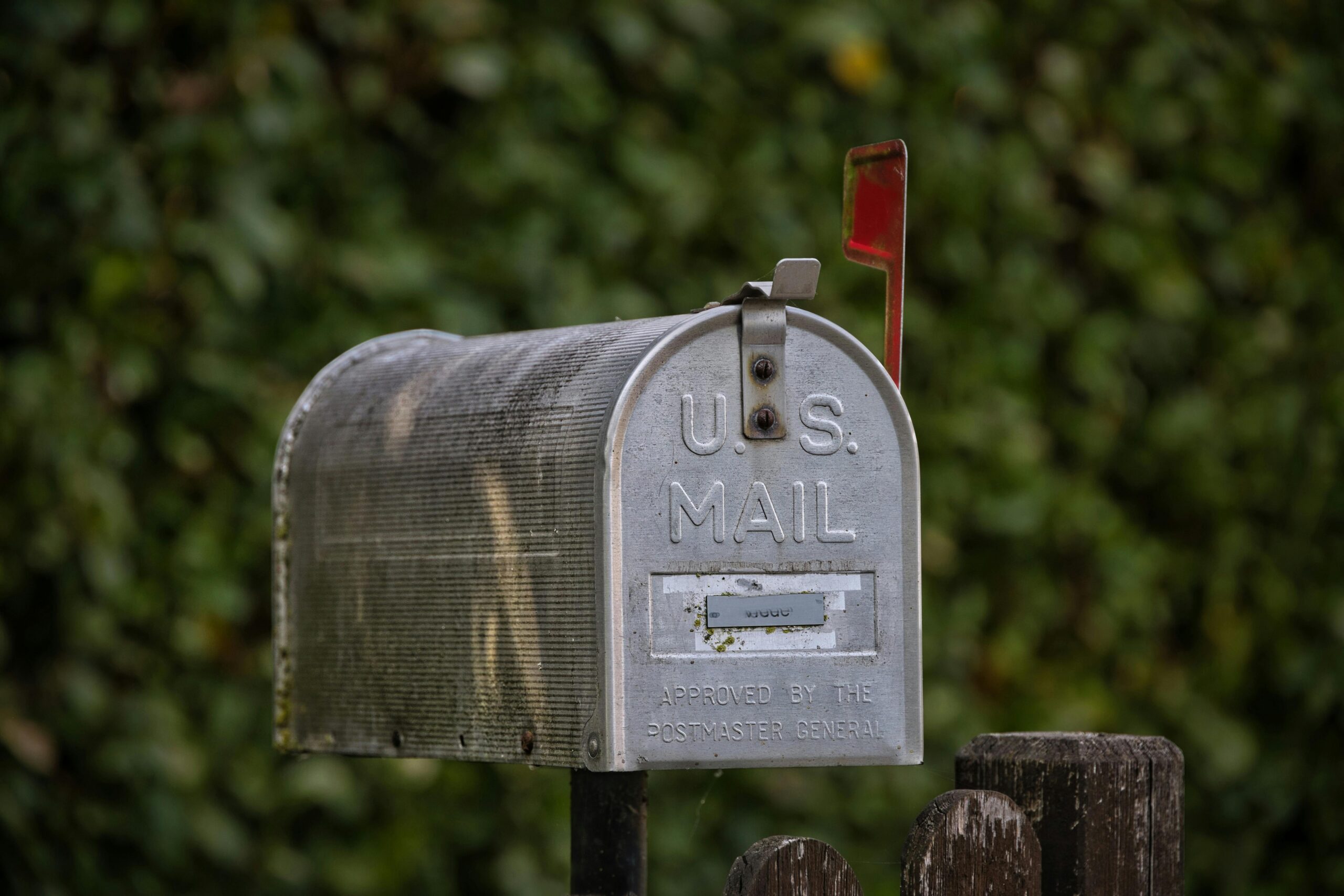
Voters Overwhelmingly Favor Election Day Ballot Deadline
An overwhelming majority of American voters believe that ballots should be received by Election Day, not simply postmarked on or before that date. This widespread sentiment highlights a growing concern about election integrity and the potential for fraud or manipulation when ballots are allowed to arrive days or even weeks after the official election date.
The debate over ballot deadlines has become increasingly contentious in recent years, particularly since the 2020 election. While some argue that extending the deadline ensures that all votes are counted and that no one is disenfranchised due to mail delays or other unforeseen circumstances, others contend that it opens the door to irregularities and undermines the public's confidence in the electoral process.
The Push for Election Integrity
The push for stricter ballot deadlines is rooted in a broader movement to strengthen election integrity. Proponents of this movement argue that clear, consistent rules are essential for ensuring fair and transparent elections. They point to instances of alleged voter fraud and irregularities in past elections as evidence of the need for reform.
One of the main concerns surrounding extended ballot deadlines is the potential for ballots to be lost, stolen, or tampered with after Election Day. Critics also argue that it creates opportunities for partisan actors to engage in ballot harvesting or other forms of manipulation. Furthermore, the delay in finalizing election results can lead to uncertainty and distrust, potentially fueling social unrest and political instability.
Recent data from the Election Assistance Commission (EAC) shows that in 2020, over 1 million ballots were rejected nationwide. While the reasons for rejection varied, a significant portion were due to late arrival, highlighting the potential impact of extended deadlines. In fact, according to the EAC, approximately 0.5% of all absentee ballots cast in the 2020 election were rejected because they arrived late. This may seem like a small percentage, but it represents a significant number of votes, especially in close elections.
Arguments for Extended Deadlines
Despite the concerns about election integrity, many argue that extending ballot deadlines is necessary to ensure that all eligible voters have their voices heard. They point to factors such as postal service delays, particularly in rural areas, as potential barriers to timely ballot delivery. Advocates for extended deadlines also argue that they can help to accommodate voters with disabilities or those who face other challenges in returning their ballots by Election Day.
Moreover, some argue that strict ballot deadlines disproportionately affect certain demographic groups, such as low-income voters and minority communities, who may be more likely to rely on mail-in voting and may face greater challenges in meeting strict deadlines. They argue that extending the deadline can help to reduce these disparities and promote greater equity in the electoral process.
It's also important to consider that many states have varying rules regarding ballot deadlines. For example, some states require ballots to be received by Election Day, while others allow ballots to be counted as long as they are postmarked by Election Day and received within a certain timeframe. This patchwork of rules can create confusion and uncertainty, potentially undermining voter confidence.
The Impact of Mail-In Voting
The debate over ballot deadlines is closely linked to the broader issue of mail-in voting. As more states have expanded access to mail-in voting in recent years, particularly in response to the COVID-19 pandemic, the number of ballots cast by mail has increased dramatically. This has led to increased scrutiny of the processes and procedures involved in mail-in voting, including ballot deadlines, signature verification, and chain of custody.
While mail-in voting offers convenience and accessibility for many voters, it also presents unique challenges for election administrators. These challenges include ensuring the security and integrity of mail-in ballots, preventing fraud and manipulation, and processing a large volume of ballots in a timely and efficient manner.
One specific concern that has been raised regarding mail-in voting is the potential for ballot harvesting, which refers to the practice of collecting and submitting absentee ballots on behalf of other people. While some states allow ballot harvesting under certain circumstances, others prohibit it altogether. Critics argue that ballot harvesting can be used to pressure or coerce voters, or to manipulate the outcome of elections.
According to a 2022 report by the Heritage Foundation, there have been numerous documented cases of voter fraud related to mail-in ballots across the United States. While the overall incidence of voter fraud is relatively low, these cases highlight the potential risks associated with mail-in voting and the need for robust safeguards to prevent fraud and abuse. A study by MIT found that states with strict voter ID laws and signature matching had statistically fewer instances of reported fraud.
The Legal Landscape
The issue of ballot deadlines has been the subject of numerous legal challenges in recent years. In many cases, these challenges have focused on the constitutionality of state laws that restrict or extend ballot deadlines. Courts have generally upheld state laws that impose reasonable restrictions on voting, but they have also struck down laws that are deemed to be overly burdensome or discriminatory.
The Supreme Court has weighed in on the issue of ballot deadlines in several cases, typically deferring to state legislatures to set their own rules. However, the Court has also emphasized the importance of ensuring that all eligible voters have the opportunity to cast their ballots and have their votes counted.
One key legal principle that has emerged from these cases is the concept of the "materiality" of any alleged voting irregularities. In other words, courts are more likely to intervene in election disputes if there is evidence that the irregularities could have affected the outcome of the election.
The Path Forward
The debate over ballot deadlines is likely to continue for the foreseeable future. As states grapple with the challenges of administering elections in a changing political and technological landscape, they will need to find ways to balance the competing goals of ensuring election integrity and promoting voter access.
One possible path forward is to adopt uniform national standards for ballot deadlines and other aspects of election administration. This could help to reduce confusion and uncertainty, and to ensure that all voters are treated fairly and equally. However, such a proposal would likely face significant political opposition, as many states are reluctant to cede control over their election laws to the federal government.
Another approach is to focus on improving the efficiency and reliability of the postal service. By ensuring that mail-in ballots are delivered in a timely and secure manner, states can reduce the need for extended deadlines and minimize the risk of voter disenfranchisement. According to the United States Postal Service, on average, first-class mail takes between 1 and 5 days to arrive at its destination. This variability can cause issues with ballots arriving on time, so it is an area that requires continued improvement.
Ultimately, the key to resolving the debate over ballot deadlines is to engage in a thoughtful and informed discussion about the competing values at stake. By listening to different perspectives and working together to find common ground, it is possible to create election systems that are both fair and secure.
The Pew Research Center found in 2022 that there are stark partisan divisions on election-related issues. 71% of Republicans believe that voter fraud is a major problem, compared to only 28% of Democrats. Bridging this divide is essential for building trust in the electoral process.
Conclusion
The overwhelming sentiment that ballots should be received by Election Day underscores the importance voters place on timely election results and perceived election integrity. As states navigate the complexities of modern elections, finding a balance between accessibility and security will be crucial for maintaining public trust in the democratic process. Further debate and compromise will be needed to establish clear and consistent rules that promote fair and transparent elections for all Americans. The reality is that the American system is built on the concept of one person, one vote, cast in a free and fair election. Any actions that undermine this concept are damaging to the foundations of our nation.