- Conservative Fix
- Posts
- Eileen Gu Defends Decision To Compete For China
Eileen Gu Defends Decision To Compete For China
The Olympic star says critics misunderstand her goal of expanding women’s skiing and global participation in the sport.

Jason Novak
March 4th, 2026 • Reading Time: 2 minutes
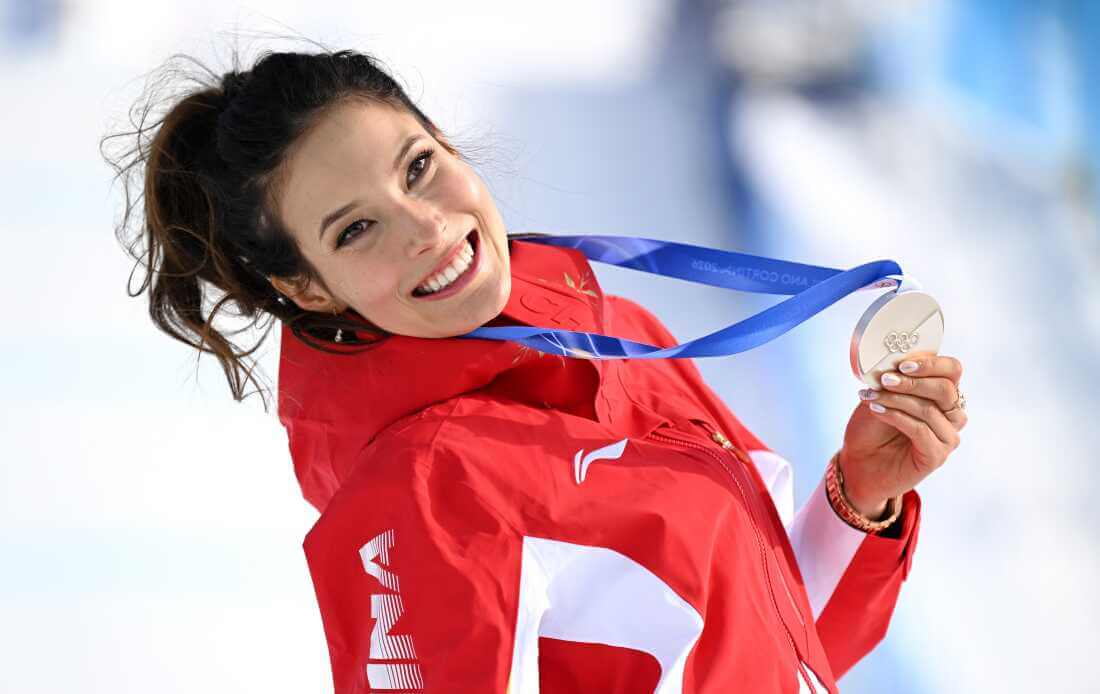
Olympic freestyle skiing star is again addressing the controversy surrounding her decision to compete for China instead of the United States.
In a lengthy social media statement, the American-born athlete said critics often misunderstand the motivations behind the move a decision she made as a teenager that has remained a flashpoint in international sports.
“A lot of people won’t understand or believe that I made a decision to create the greatest amount of positive impact on the world stage,” Gu wrote.
Born and raised in the United States, Gu briefly competed for Team USA before announcing at age 15 that she would represent China in international competition.
The decision generated widespread attention ahead of the where Gu became one of the breakout stars of the Games.
Her success helped elevate freestyle skiing’s popularity in China, a country with a relatively small winter sports culture compared with North America or Europe.
Gu said she had spent summers in China running training camps and working with young athletes long before the Olympics.
“Skiing for Team China meant the opportunity to uplift others through the universal culture of sport,” she explained, noting that millions of young people have since taken up skiing.
Today, at age 22, she says she believes the decision accomplished what she hoped.
“There are now terrain parks full of little girls who will never doubt their place in the sport,” she wrote.
Gu’s choice has drawn criticism from some Americans who argue that athletes who benefit from the United States should represent it internationally.
Echoed that sentiment in a recent interview, saying he hopes athletes raised in the United States choose to compete under the American flag.
At the same time, Gu says she has faced intense personal backlash over the decision, including harassment and threats.
She told reporters she has received death threats, had police called over confrontations, and even experienced a burglary at her dorm.
“I’ve gone through some things as a 22-year-old that no one should ever have to endure,” she said.
The controversy extends beyond sports.
China has faced international criticism over alleged human rights abuses in the Xinjiang region involving Uyghur and other Turkic Muslim minorities. Gu has been repeatedly asked to comment on the issue.
In an interview with Time magazine, she declined to weigh in, saying she had not personally researched the matter deeply enough to speak authoritatively.
“I’m not going to make big claims on my social media,” she said, explaining that she believes such topics require extensive firsthand knowledge.
Her reluctance to comment has drawn further scrutiny from critics who argue that high-profile athletes should address political issues tied to the countries they represent.
Gu’s success has also translated into enormous commercial value.
She is widely considered the highest-paid Winter Olympics athlete in the world. Estimates place her 2025 earnings at roughly $23 million, fueled by partnerships with Chinese companies such as the Bank of China as well as Western brands.
Reports from the Wall Street Journal also indicated that Gu and another American-born athlete competing for China received $6.6 million combined from the Beijing Municipal Sports Bureau in 2025.
Those financial ties have intensified debate about national loyalty, global branding, and the increasingly international nature of elite sports.
Gu maintains that her identity and career reflect a broader reality of modern athletics.
Athletes switching national representation is not uncommon in international competition. Dual citizenship, training opportunities, and financial support often influence those choices.
Still, Gu’s case stands out because it intersects with geopolitical tensions between the United States and China.
For her part, the skier insists the criticism comes with the territory of competing at the highest level.
“People are entitled to their opinions,” she said. “And also, because I win.”
For more coverage on sports, culture, and global competition, share this article or subscribe to our newsletter for updates.