- Conservative Fix
- Posts
- Democrat Representative Embroiled in Cuba Oil Scandal
Democrat Representative Embroiled in Cuba Oil Scandal
A U.S. Congresswoman is accused of colluding with Mexican entities to circumvent the embargo on Cuba, funneling oil to the communist regime.
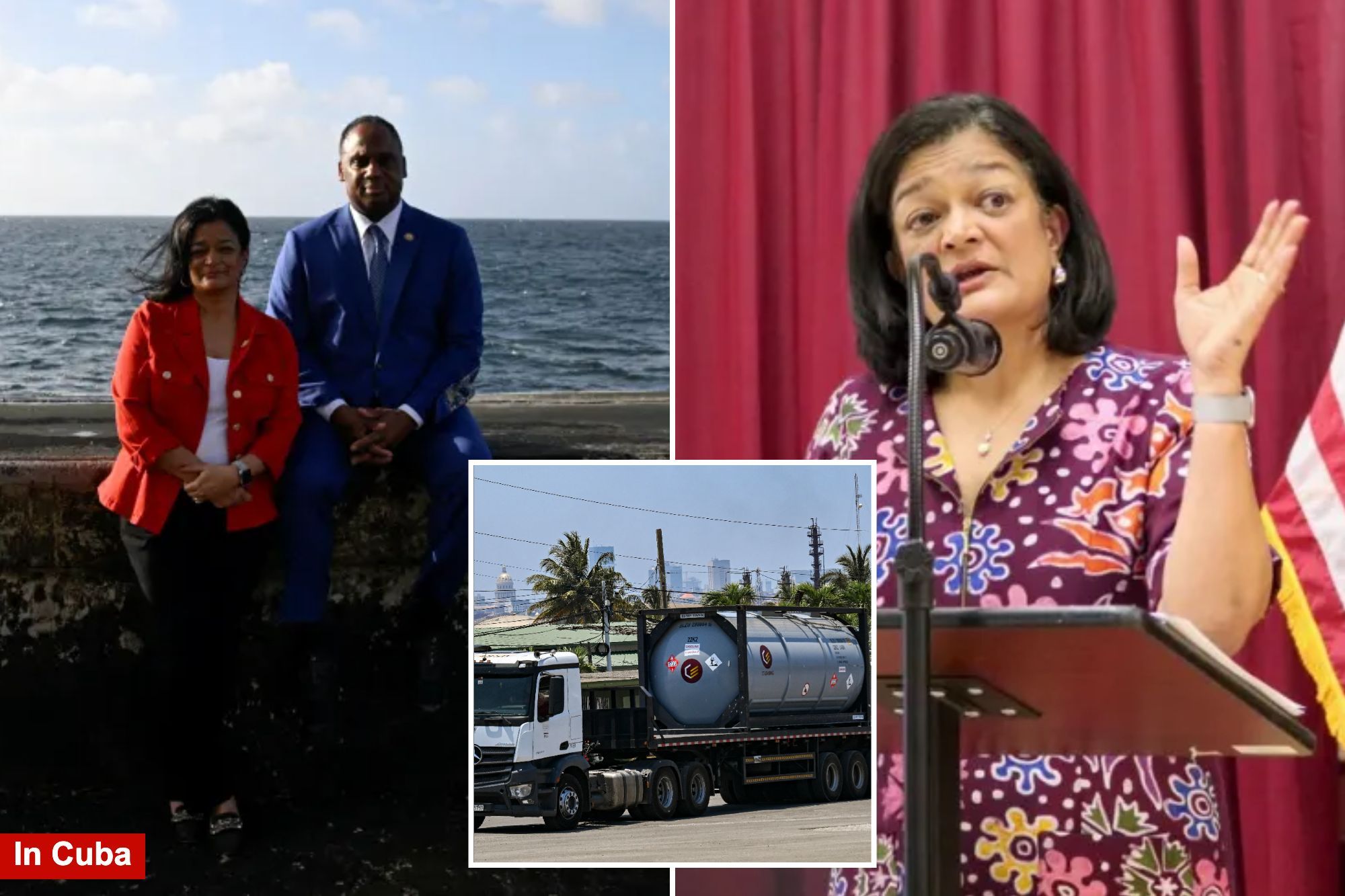
Oil for Cuba: A Shadowy Pipeline?
A sitting member of the U.S. House of Representatives is facing serious allegations of working with Mexican entities to facilitate the clandestine shipment of oil to Cuba, effectively undermining the long-standing U.S. embargo against the island nation. The accusations, if proven true, could have significant political and legal ramifications, raising questions about the integrity of U.S. foreign policy and the potential for foreign influence within the American political system.
The core of the controversy revolves around claims that the congresswoman, whose name is being withheld pending further investigation, allegedly leveraged her position and contacts to assist in the transfer of oil from Mexico to Cuba. This alleged operation purportedly involved bypassing U.S. sanctions designed to economically isolate the Cuban government, which has been in place for decades due to its human rights record and authoritarian rule.
Embargo Under Fire: A History of Restrictions
The U.S. embargo against Cuba dates back to the early 1960s, implemented in response to the Cuban government's nationalization of American-owned businesses and its alignment with the Soviet Union during the Cold War. Over the years, the embargo has been a contentious issue, with proponents arguing that it is necessary to pressure the Cuban government to improve its human rights record and move towards democracy. Critics, on the other hand, contend that the embargo has disproportionately harmed the Cuban people and has failed to achieve its intended political goals. According to the U.S. Department of Treasury, the embargo prohibits most trade and financial transactions between the United States and Cuba, although certain exceptions exist for humanitarian aid, remittances, and travel for specific purposes.
The alleged involvement of a U.S. representative in circumventing this embargo raises serious questions about the enforcement of U.S. foreign policy and the potential for individuals within the government to undermine it. The implications extend beyond the specific case of oil shipments, potentially impacting the broader relationship between the United States and Cuba, as well as relations with Mexico.
Mexican Connection: Unraveling the Network
The alleged scheme reportedly involves a network of individuals and companies in Mexico who have been facilitating the transfer of oil to Cuba. These entities are said to have been working in close coordination with Cuban officials to bypass U.S. sanctions and ensure a steady supply of oil to the island. It is claimed that the U.S. representative played a crucial role in connecting these Mexican actors with Cuban counterparts, leveraging her political influence to smooth the path for these transactions. One source suggests that the oil is being transported via tankers under the guise of regional trade, with falsified documentation to conceal the true destination. The exact volume of oil involved remains unclear, but estimates suggest it could be significant, potentially amounting to millions of barrels over a period of several months.
According to data from the Observatory of Economic Complexity (OEC), Mexico is a major exporter of crude petroleum, with a significant portion of its exports destined for the United States. This existing trade relationship could potentially provide a cover for the illicit transfer of oil to Cuba, making it difficult to detect and prevent. The involvement of Mexican entities in this scheme could also strain relations between the United States and Mexico, particularly if it is determined that the Mexican government was aware of or complicit in the operation.
Legal Peril: Potential Violations and Consequences
The alleged actions of the U.S. representative could potentially violate several U.S. laws, including the Trading with the Enemy Act, the Cuban Assets Control Regulations, and potentially even statutes related to conspiracy and obstruction of justice. The Trading with the Enemy Act prohibits U.S. citizens from engaging in trade or financial transactions with countries designated as enemies of the United States. The Cuban Assets Control Regulations, administered by the Office of Foreign Assets Control (OFAC) of the U.S. Department of the Treasury, specifically prohibit most transactions with Cuba, including the import and export of goods and services.
If found guilty of violating these laws, the representative could face significant penalties, including hefty fines, imprisonment, and potential expulsion from Congress. Furthermore, the scandal could have serious political repercussions, damaging her reputation and potentially ending her political career. The House Ethics Committee is likely to launch an investigation into the matter, and the Department of Justice could also pursue criminal charges if there is sufficient evidence of wrongdoing. According to legal experts, the burden of proof in such cases would be on the government to demonstrate that the representative knowingly and intentionally violated U.S. law.
Political Fallout: A Divided Congress Reacts
The allegations have already sparked a firestorm of controversy in Washington, with Republicans calling for a full investigation and demanding that the representative be held accountable for her actions. Democrats, on the other hand, have been more cautious in their response, urging for a thorough investigation before drawing any conclusions. However, even within the Democratic party, there is growing concern about the potential damage that this scandal could inflict on the party's image and credibility.
The issue is particularly sensitive given the ongoing debate about U.S. policy towards Cuba. Some members of Congress have long advocated for lifting the embargo, arguing that it has failed to achieve its intended goals and has only served to harm the Cuban people. Others, however, remain steadfast in their support for the embargo, insisting that it is a necessary tool to pressure the Cuban government to improve its human rights record and move towards democracy. This scandal is likely to further polarize the debate and make it even more difficult to find common ground on U.S. policy towards Cuba.
The unfolding situation also highlights the complex relationship between the United States and Mexico. While the two countries are close trading partners and allies, there have been tensions in recent years over issues such as immigration, trade, and drug trafficking. The alleged involvement of Mexican entities in this scheme could further strain relations between the two countries and complicate efforts to address these other challenges.
Intelligence Agencies: Monitoring Foreign Influence
The allegations have also raised questions about the role of U.S. intelligence agencies in monitoring foreign influence within the American political system. Critics argue that the intelligence community should have been aware of the representative's alleged activities and should have taken steps to prevent them. However, intelligence officials have defended their actions, arguing that they are limited by legal and ethical constraints and that they cannot simply spy on members of Congress without a legitimate reason. According to a 2023 report by the Director of National Intelligence, foreign governments are increasingly using sophisticated tactics to influence U.S. elections and policy decisions, including through the use of disinformation, cyberattacks, and covert influence operations.
The case underscores the importance of vigilance and oversight to protect the integrity of the U.S. political system from foreign interference. It also highlights the need for stronger laws and regulations to prevent individuals from using their positions of power to undermine U.S. foreign policy. The investigation into the congresswoman's alleged activities is ongoing, and it remains to be seen what the ultimate outcome will be. However, the scandal has already had a significant impact on the political landscape and is likely to continue to reverberate for months to come. The repercussions could extend to the upcoming elections, potentially influencing voter turnout and the outcome of key races. The Republican National Committee has already seized on the scandal as evidence of Democratic hypocrisy and corruption, while Democrats are working to distance themselves from the controversy and emphasize their commitment to ethical governance.
Future Implications: Policy and Perception
Beyond the immediate legal and political ramifications, this scandal could have long-term implications for U.S. foreign policy and the perception of American leadership on the world stage. If a U.S. representative is found to have colluded with foreign entities to undermine U.S. sanctions, it could damage the credibility of U.S. efforts to enforce international norms and hold rogue states accountable. It could also embolden other countries to challenge U.S. foreign policy and pursue their own interests, even if it means violating international law. Furthermore, the scandal could erode public trust in government and fuel cynicism about the political system. It is essential that the investigation into these allegations be conducted thoroughly and impartially, and that those responsible for any wrongdoing be held accountable to the fullest extent of the law. Only then can the United States begin to restore its credibility and reaffirm its commitment to upholding the rule of law, both at home and abroad. As of 2021, Cuba's primary source of imported oil came from Venezuela, which faces its own set of U.S. sanctions. This reliance creates a complex web of international relations and economic pressures.