- Conservative Fix
- Posts
- Homeschool Freedom Under Fire in Connecticut
Homeschool Freedom Under Fire in Connecticut
Proposed legislation raises concerns about state overreach into private education and parental rights.
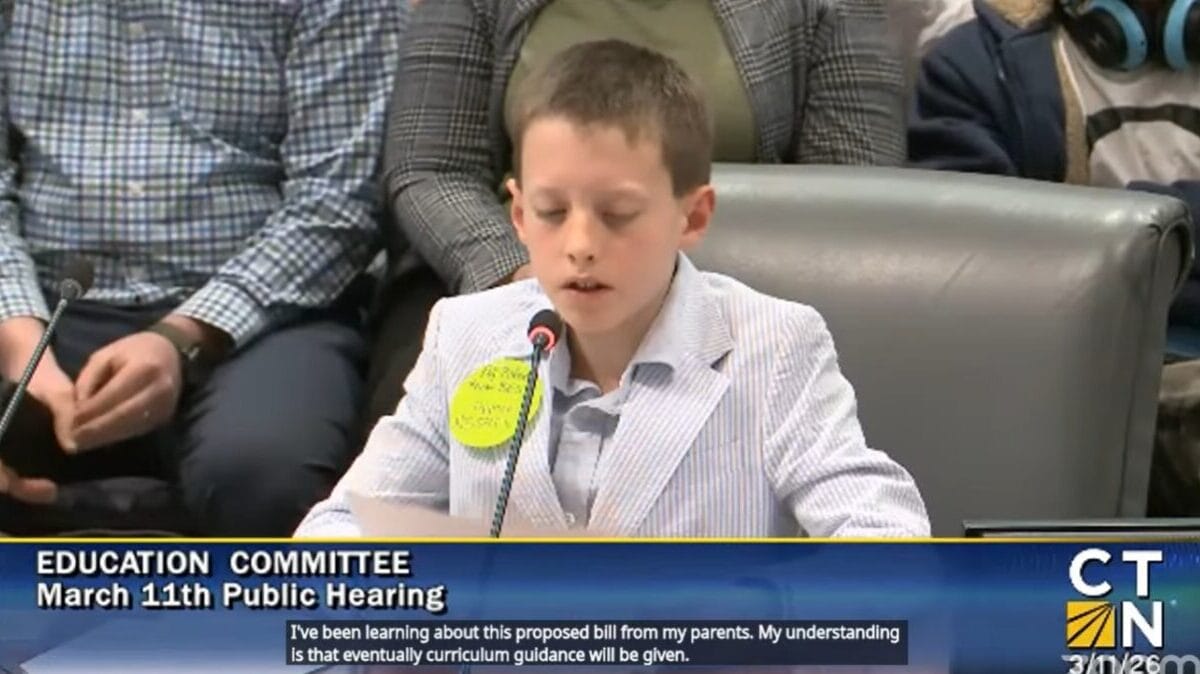
Connecticut Homeschooling Faces Stricter Oversight
A contentious bill moving through the Connecticut legislature is sparking alarm among homeschooling families and advocates for parental rights. The proposed legislation seeks to implement more stringent regulations and oversight on homeschooling, raising fears of government intrusion into what has traditionally been considered a realm of parental autonomy. Concerns are mounting that the bill could create a de facto surveillance state for homeschooling families, undermining their freedom to direct the education of their children.
Details of the Proposed Legislation
The core of the controversy lies in the expanded requirements for homeschooling families. The bill mandates regular reporting to the state Department of Education, including detailed curriculum outlines, student progress assessments, and potentially even home visits by state officials. While proponents argue that these measures are necessary to ensure the quality of education and the well-being of homeschooled children, critics contend that they represent an unwarranted intrusion into private family matters.
One particularly contentious provision requires homeschooling parents to submit detailed lesson plans for each subject, outlining the specific materials to be used and the learning objectives to be achieved. This level of detail, critics argue, is far beyond what is typically required of public school teachers and imposes an unreasonable burden on homeschooling families, many of whom have chosen homeschooling precisely to escape the rigid structures of the traditional education system.
Furthermore, the bill proposes mandatory standardized testing for homeschooled children at certain grade levels. While standardized testing is already a common practice in public schools, many homeschooling parents object to its imposition on their children, arguing that it fails to accurately assess the diverse learning styles and individualized curricula that are hallmarks of homeschooling. They also express concern that the test results could be used to justify further state intervention in their homeschooling practices.
Arguments For and Against Increased Regulation
Proponents of the bill argue that it is necessary to protect the interests of homeschooled children. They point to concerns about educational neglect and the potential for children to fall behind academically without adequate oversight. They also argue that increased regulation is needed to ensure that homeschooled children are receiving a well-rounded education that prepares them for college or career.
"We have a responsibility to ensure that all children in Connecticut, regardless of their educational setting, receive a quality education," stated a leading advocate for the bill during a recent legislative hearing. "This legislation is not about undermining homeschooling; it's about providing a framework for accountability and ensuring that homeschooled children are not left behind."
However, opponents of the bill argue that it is based on unfounded assumptions about the quality of homeschooling. They point to numerous studies that have shown that homeschooled children often outperform their public school peers on standardized tests and in college. They also argue that homeschooling provides a more personalized and flexible learning environment that can be tailored to the individual needs of each child.
"This bill is a solution in search of a problem," said a representative of a homeschooling advocacy group. "Homeschooling families are already highly motivated and committed to providing their children with a quality education. This legislation will only serve to burden them with unnecessary regulations and paperwork, without any demonstrable benefit to the children themselves."
The Potential Impact on Homeschooling Families
The proposed legislation could have a significant impact on homeschooling families in Connecticut. The increased reporting requirements and potential for home visits could create a climate of fear and intimidation, discouraging families from choosing homeschooling. The mandatory standardized testing could also lead to increased pressure on homeschooled children and their parents.
Moreover, the bill could disproportionately affect low-income families and families with special needs children. These families may lack the resources and expertise to comply with the increased regulatory requirements, potentially forcing them to abandon homeschooling altogether. This would further limit their educational options and could have a negative impact on their children's academic outcomes.
According to the National Home Education Research Institute (NHERI), the homeschooling population is incredibly diverse. While some perceive homeschooling as a primarily religious endeavor, data indicates that only 17% of homeschooling parents cite religious reasons as their primary motivation. The top reasons given are concerns about the school environment (31%), a desire to provide moral instruction (16%) and to customize or individualize the curriculum (21%). The new legislation risks alienating this diverse group.
Constitutional Concerns and Parental Rights
The proposed legislation also raises constitutional concerns about parental rights. The Supreme Court has long recognized the fundamental right of parents to direct the education and upbringing of their children. This right is rooted in the Fourteenth Amendment's Due Process Clause and has been affirmed in numerous court cases.
Opponents of the bill argue that it infringes on this fundamental right by giving the state too much control over homeschooling. They argue that parents, not the government, should have the primary responsibility for determining the best educational path for their children. They also argue that the bill's reporting requirements and potential for home visits violate the Fourth Amendment's protection against unreasonable searches and seizures.
The Home School Legal Defense Association (HSLDA), a national organization that advocates for homeschooling freedom, has vowed to challenge the bill in court if it is enacted into law. The HSLDA argues that the bill is unconstitutional and that it would set a dangerous precedent for government intrusion into private education.
HSLDA has stated that the number of students being homeschooled has been on the rise for a while, but saw a massive surge during the COVID-19 pandemic. The organization estimates that there are now over 3.7 million homeschool students in the United States, representing approximately 7% of the school-age population. This dramatic increase underscores the growing popularity of homeschooling as a viable alternative to traditional education.
The Potential for a Surveillance State
The most alarming aspect of the proposed legislation is its potential to create a surveillance state for homeschooling families. The bill's detailed reporting requirements and potential for home visits could give the state unprecedented access to private family information. This information could be used to monitor homeschooling families, to identify perceived deficiencies in their homeschooling practices, and to justify further state intervention.
Critics argue that this level of state surveillance is unwarranted and that it could have a chilling effect on homeschooling. They fear that families will be hesitant to choose homeschooling if they know that they will be subject to constant scrutiny by the government. This could ultimately undermine the diversity and innovation that are hallmarks of the homeschooling movement.
Moreover, the bill's reporting requirements could create a database of homeschooling families that could be vulnerable to hacking or misuse. This information could be used to target homeschooling families for political or ideological reasons. It could also be used to discriminate against homeschooling families in areas such as employment, housing, and access to government services.
The state of New York attempted similar measures in 2023. After a contentious legal battle, the New York Supreme Court struck down regulations that would have required local education authorities to approve homeschool curricula, stating that the regulations exceeded the authority granted by the state's education law. This ruling serves as a reminder of the importance of safeguarding parental rights and ensuring that regulations governing homeschooling are reasonable and proportionate.
The Need for a Balanced Approach
While it is important to ensure that all children receive a quality education, it is also important to protect parental rights and to avoid creating a surveillance state. A balanced approach is needed that respects the autonomy of homeschooling families while also providing reasonable safeguards to protect the interests of homeschooled children.
One possible approach would be to focus on providing resources and support to homeschooling families, rather than imposing burdensome regulations. This could include offering training and workshops for homeschooling parents, providing access to curriculum materials and online resources, and creating opportunities for homeschooled children to participate in extracurricular activities and social events.
Another approach would be to focus on addressing specific concerns about educational neglect or child abuse, rather than imposing blanket regulations on all homeschooling families. This could involve strengthening child protective services and providing better training for social workers on how to identify and respond to cases of educational neglect or child abuse in homeschooling settings.
According to the U.S. Department of Education's National Center for Education Statistics (NCES), homeschoolers tend to be more engaged in community service than their public school peers. The 2019 data revealed that 77% of homeschooled children participate in extracurricular activities, and they volunteer an average of 3.1 hours per week in community service, compared to 52% and 2.4 hours for public school students. This data underscores the fact that homeschooling isn't about isolation, but rather active engagement in the broader community.
The Importance of Vigilance
The proposed legislation in Connecticut serves as a reminder of the importance of vigilance in protecting homeschooling freedom. Parents, educators, and policymakers must work together to ensure that homeschooling is not subjected to unnecessary regulations or unwarranted government intrusion. Only by protecting parental rights and fostering a climate of respect for diverse educational choices can we ensure that all children have the opportunity to reach their full potential.
The battle over homeschooling regulations in Connecticut is not just about education; it is about fundamental principles of liberty, parental rights, and the proper role of government. The outcome of this debate will have far-reaching implications for homeschooling families in Connecticut and across the nation.
Ultimately, the debate in Connecticut reflects a broader tension between state oversight and parental autonomy in education. Finding a balance that protects the interests of children while respecting the rights of parents will require careful consideration and a commitment to open dialogue.
Data from a 2020 study by the National Research Center on Learning Disabilities found that students with learning disabilities can thrive in a homeschool environment, often exceeding the progress they make in traditional schools. The individualized attention and customized curriculum that homeschooling offers can be particularly beneficial for these students. Stringent regulations could limit access to this valuable educational option.
The ongoing legislative debate warrants close attention from anyone concerned about parental rights, educational freedom, and the potential for government overreach.