- Conservative Fix
- Posts
- New Bill Seeks to Ban Congressional Stock Trading
New Bill Seeks to Ban Congressional Stock Trading
After years of corruption, lawmakers may finally be forced to choose between public service and personal profit.

Greg Barnes
January 13th, 2026 • Reading Time: 2 minutes
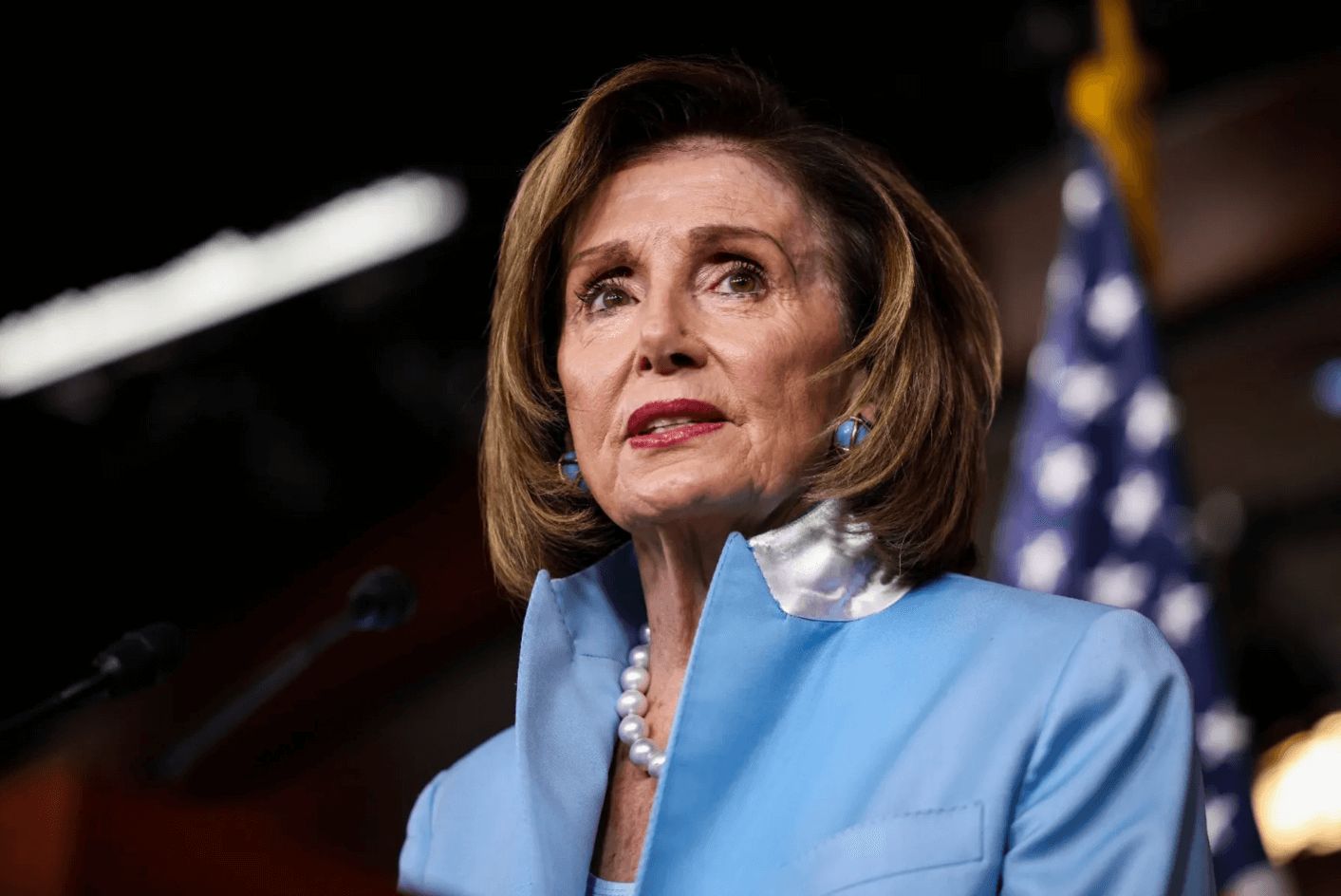
After years of public outrage over congressional insider trading, Republicans in the House are finally pushing a serious bill to close one of D.C.’s most lucrative and corrupt loopholes.
On Monday, Rep. Bryan Steil (R-WI) introduced the “Stop Insider Trading Act”, taking direct aim at a practice that has allowed members of Congress to personally profit off inside information while the rest of the country suffers.
“If you want to trade stocks, you should go to Wall Street,” Steil said a statement that couldn’t ring truer in an era when politicians are padding their portfolios while inflation eats away at Americans’ savings.
The bill would:
Ban members of Congress from buying individual stocks while in office
Restrict their investment activity to index funds to prevent targeted trading
Apply the same rules to spouses and dependent children, finally closing family-based loopholes
Require a 7-day advance notice before selling any individual securities
While the bill won’t require lawmakers to divest assets they owned before entering Congress, it’s one of the toughest reforms yet and a sharp contrast to the half-hearted proposals that have been floated (and killed) for years.
The bill is backed by Rep. Anna Paulina Luna (R-FL), who said public pressure is finally paying off.
“After years of insider trading, the discharge petition we brought forward… has finally worked.”
This legislation comes after massive backlash in recent years, most famously triggered by now-infamous stock trades from former Speaker Nancy Pelosi (D-CA), who conveniently saw her personal wealth skyrocket through well-timed moves in Big Tech and other sectors. The public noticed and so did Chris Josephs, co-founder of the Autopilot investment app, who exposed Pelosi’s trades and supports the new bill.
“Although it’s not perfect,” Josephs said, “it has stricter penalties and forces politicians to buy broader market index funds, which are much harder to insider trade on.”
The push for reform isn’t just about perception it’s about national integrity. Since 2020, senators from both parties have faced scrutiny for dumping stocks after closed-door COVID briefings, raising serious questions about how many more secrets have been quietly turned into profits.
Congress is one of the only places in America where using inside information to make a fortune hasn’t just been tolerated it’s been routine. And despite overwhelming bipartisan support among voters for a full ban on congressional trading, every past attempt has mysteriously failed to pass.
This bill, for once, appears to have support from House GOP leadership and could soon reach the floor. But even now, success isn’t guaranteed because it would require lawmakers to voluntarily limit their own ability to get rich off the backs of the American people.
As Josephs put it “We’ve seen this rodeo before… but it definitely is a step in the right direction.”
It’s more than that it’s a test. Will Congress finally choose accountability over corruption? Or will the swamp protect its own once again?
Pass it. Watch who opposes it. And never forget who benefits when Washington refuses to police itself.
Share this article or subscribe to our newsletter for updates on who in Congress is standing in the way of real reform.