- Conservative Fix
- Posts
- Chevron Resumes Venezuelan Oil Imports Under Biden
Chevron Resumes Venezuelan Oil Imports Under Biden
The move raises questions about energy independence and foreign policy.
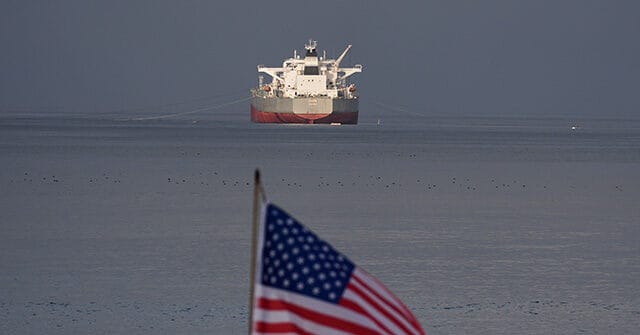
Venezuelan Oil Flows Back to U.S. Under Chevron Deal
Chevron has resumed importing Venezuelan crude oil into the United States, marking a significant shift in energy policy under the Biden administration. The move, authorized through a limited license granted by the Treasury Department in November 2022, allows Chevron to extract and export oil from its joint ventures in Venezuela. The company is reportedly importing approximately 250,000 barrels of Venezuelan oil per day.
This decision has ignited debate, particularly among conservatives, regarding the implications for American energy independence, the legitimacy of the Maduro regime in Venezuela, and the potential national security ramifications. Critics argue that importing oil from Venezuela undermines efforts to bolster domestic energy production and sends revenue to a dictatorial regime with a history of human rights abuses and anti-American sentiment.
The Treasury Department's Authorization
The limited license granted to Chevron by the Treasury Department's Office of Foreign Assets Control (OFAC) is a narrow carve-out from broader U.S. sanctions imposed on Venezuela in response to the Maduro government's undemocratic practices and human rights violations. The license, which is subject to renewal, allows Chevron to resume oil production and export activities in Venezuela, but it prohibits PDVSA, the Venezuelan state-owned oil company, from receiving any profits from the sales.
The Biden administration has defended the decision, arguing that it is intended to alleviate humanitarian suffering in Venezuela and encourage negotiations between the Maduro government and the opposition. The administration claims that the license is carefully calibrated to ensure that revenue from Chevron's oil sales is used to repay outstanding debts to Chevron and to fund humanitarian projects in Venezuela. However, skeptics remain unconvinced, arguing that any economic relief provided to Venezuela, even indirectly, strengthens the Maduro regime's grip on power.
Arguments Against Venezuelan Oil Imports
The resumption of Venezuelan oil imports raises several key concerns. First, it contradicts the long-stated goal of American energy independence. For years, Republicans have championed policies aimed at reducing reliance on foreign energy sources, particularly those from countries with unstable political environments or adversarial relationships with the United States. Importing oil from Venezuela, critics argue, undermines these efforts and makes the U.S. more vulnerable to global energy market fluctuations and geopolitical pressures.
Second, the decision to allow Chevron to import Venezuelan oil arguably legitimizes the Maduro regime. Maduro's government has been widely condemned for its authoritarian tactics, human rights abuses, and economic mismanagement. By allowing Chevron to operate in Venezuela and export its oil, the U.S. is providing the regime with a much-needed source of revenue and international recognition. This, critics argue, sends the wrong message to the Venezuelan people and to other authoritarian regimes around the world.
Third, there are concerns about the potential national security implications of importing oil from Venezuela. Maduro's government has close ties to Russia, China, and Iran, all of which are considered adversaries of the United States. By providing Venezuela with economic support, the U.S. may be inadvertently strengthening these countries' influence in the region and undermining American interests. It is worth noting that Venezuela sits atop the largest proven oil reserves in the world, estimated at over 300 billion barrels, according to the U.S. Energy Information Administration. This vast resource has long been a source of geopolitical intrigue and competition.
Fourth, the environmental impact of Venezuelan oil production is a significant concern. Venezuela's oil industry has a poor track record when it comes to environmental protection, and there are fears that increased oil production could lead to further pollution and environmental degradation. The Orinoco Oil Belt, where much of Venezuela's oil is located, is a fragile ecosystem that is already under threat from oil extraction activities. According to a 2020 report by Human Rights Watch, oil spills in Venezuela have caused widespread environmental damage and harmed the health of local communities.
The Impact on American Energy Production
The decision to import Venezuelan oil also raises questions about its impact on American energy production. The U.S. has become a major oil producer in recent years, thanks to the shale revolution. However, the Biden administration has taken several steps that critics say have hampered domestic energy production, including canceling the Keystone XL pipeline and restricting oil and gas leasing on federal lands. The import of Venezuelan oil could further depress domestic oil prices and discourage investment in American energy projects.
The American Petroleum Institute (API), a trade association representing the oil and gas industry, has criticized the Biden administration's energy policies, arguing that they are undermining American energy security and harming the economy. API President and CEO Mike Sommers has stated that the administration's policies are "sending the wrong signals to the global market" and that they are "making it harder for American producers to meet the growing demand for energy."
Alternative Energy Strategies
Instead of relying on foreign oil sources, such as Venezuela, the U.S. should prioritize policies that promote domestic energy production and reduce reliance on fossil fuels altogether. This could include investing in renewable energy sources, such as solar, wind, and hydropower, as well as promoting energy efficiency and conservation. It could also include streamlining the permitting process for oil and gas projects and opening up more federal lands for drilling. According to the Energy Information Administration (EIA), renewable energy sources accounted for approximately 20% of U.S. electricity generation in 2020, and this share is expected to increase in the coming years.
The U.S. also needs to develop a comprehensive energy strategy that takes into account the long-term geopolitical implications of its energy policies. This strategy should prioritize American energy independence, promote domestic energy production, and ensure that the U.S. is not reliant on countries that are hostile to its interests. This could include diversifying its energy sources, investing in energy infrastructure, and working with allies to develop alternative energy supplies.
The Broader Geopolitical Context
The decision to import Venezuelan oil cannot be viewed in isolation. It is part of a broader geopolitical context that includes the war in Ukraine, the energy crisis in Europe, and the growing rivalry between the U.S. and China. The war in Ukraine has disrupted global energy markets and led to a surge in oil prices. This has put pressure on the Biden administration to find alternative sources of oil to help alleviate the energy crisis and lower gasoline prices for American consumers. According to the International Energy Agency (IEA), global oil demand is expected to reach a record high in 2023, driven by economic growth in developing countries and the recovery from the COVID-19 pandemic.
The growing rivalry between the U.S. and China is also shaping global energy markets. China is the world's largest energy consumer, and it is increasingly seeking to secure its own energy supplies from countries around the world. This has led to increased competition for energy resources and has given countries like Venezuela greater leverage in their dealings with the U.S.
The Future of U.S.-Venezuela Relations
The decision to allow Chevron to import Venezuelan oil raises questions about the future of U.S.-Venezuela relations. The U.S. has long maintained a policy of isolating the Maduro regime and supporting the opposition. However, the decision to allow Chevron to operate in Venezuela suggests that the Biden administration may be willing to take a more pragmatic approach to the relationship. This could involve engaging with the Maduro government on specific issues, such as energy and humanitarian assistance, while continuing to pressure the regime to hold free and fair elections.
However, any improvement in U.S.-Venezuela relations is likely to be contingent on the Maduro government taking concrete steps to address the country's political and economic crisis. This would include releasing political prisoners, allowing the opposition to participate freely in elections, and implementing economic reforms to address the country's hyperinflation and poverty. According to the United Nations, more than 7 million Venezuelans have fled the country in recent years due to the political and economic crisis.
Ultimately, the future of U.S.-Venezuela relations will depend on the choices made by both governments. The U.S. needs to develop a clear and consistent policy towards Venezuela that promotes American interests and values. This policy should be based on a realistic assessment of the situation in Venezuela and a willingness to engage with the Maduro government while also holding it accountable for its actions. Venezuela, on the other hand, needs to undertake serious reforms to address its political and economic crisis and to restore democracy and the rule of law.
The Political Fallout
The Chevron deal is sure to remain a political flashpoint, with Republicans likely to continue hammering the Biden administration for what they see as a betrayal of American energy independence and a tacit endorsement of a corrupt regime. Expect to see the issue raised frequently in congressional hearings and campaign ads, particularly as the 2024 election cycle heats up. The debate will likely center on the trade-offs between short-term energy needs and long-term strategic interests, with conservatives arguing that the U.S. should prioritize domestic production and resist the temptation to normalize relations with authoritarian regimes for the sake of convenience.
Furthermore, some conservatives may argue that the Chevron deal sets a dangerous precedent, potentially opening the door to similar arrangements with other countries with questionable human rights records or adversarial relationships with the U.S. This could lead to a broader erosion of American values and a weakening of its position as a global leader in promoting democracy and human rights. Only time will tell what the full ramifications of the Chevron deal will be, but it is clear that it has already sparked a fierce debate about the future of American energy policy and its role in the world.
Data from the U.S. Energy Information Administration shows a slight increase in overall crude oil imports in the months following the Chevron deal's implementation, though it's difficult to directly attribute this solely to Venezuelan imports. The complexities of global oil markets and various contributing factors make definitive conclusions elusive.