- Conservative Fix
- Posts
- Techlash Turns Violent: CEO Targeted in Arson Attack
Techlash Turns Violent: CEO Targeted in Arson Attack
Rising anxieties over artificial intelligence spill into real-world threats, culminating in a brazen attack on a tech executive's home.
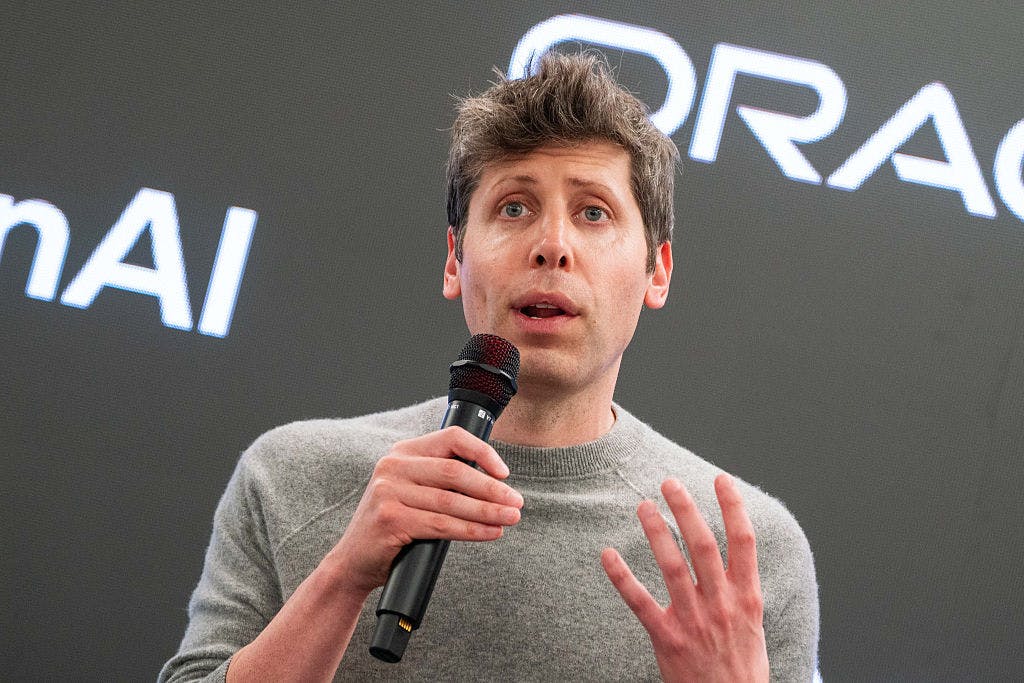
AI Skeptic Unleashes Arson on Tech CEO's Home
The growing unease surrounding artificial intelligence has taken a disturbing turn, with a man arrested for allegedly attempting to burn down the headquarters of a leading AI company and throwing a Molotov cocktail at the home of its CEO. The incident highlights the escalating tensions between proponents of rapid AI development and those who fear its potential consequences for society.
Molotov Cocktail Thrown at CEO's Residence
According to law enforcement officials, the suspect, identified as Randeep Ricco, 37, of San Jose, California, allegedly traveled to the CEO's residence in the early hours of the morning. Surveillance footage reportedly shows Ricco approaching the property and throwing a lit Molotov cocktail toward the garage. The device caused minor damage before being extinguished by security personnel. No one was injured in the incident.
“This was a targeted attack, plain and simple,” stated a police spokesperson. “We are treating this as a serious act of violence and are committed to ensuring the safety of the victim and their family.”
Attempted Arson at AI Company Headquarters
Prior to the attack on the CEO's home, Ricco is suspected of attempting to set fire to the headquarters of the AI company. Security personnel reported finding a suspicious package containing flammable materials near the building's entrance. The package was safely detonated by a bomb squad, preventing any significant damage. Authorities believe Ricco intended to ignite the package and cause a large-scale fire.
Suspect's Motives Rooted in AI Fears
While the investigation is ongoing, preliminary evidence suggests Ricco's actions were motivated by a deep-seated fear of artificial intelligence and its potential impact on jobs, society, and humanity as a whole. Social media posts attributed to Ricco reveal a growing obsession with the dangers of AI, including concerns about mass unemployment, the erosion of privacy, and the potential for AI to surpass human intelligence and become uncontrollable.
“They are playing God with technology they don’t understand,” read one post allegedly written by Ricco. “They will destroy us all.”
The Rise of AI Anxiety
The incident underscores a growing anxiety surrounding the rapid advancement of artificial intelligence. While AI offers tremendous potential benefits in areas such as medicine, education, and manufacturing, it also raises legitimate concerns about job displacement, algorithmic bias, and the potential for misuse. A 2023 Pew Research Center study found that 38% of Americans are more concerned than excited about the increasing use of AI in daily life. Furthermore, a Gallup poll from the same year revealed that 73% of American workers believe AI will eliminate more jobs than it creates.
These concerns are not limited to the general public. Prominent figures in the tech industry, including Elon Musk and the late Stephen Hawking, have warned about the potential dangers of unchecked AI development. Some experts have even called for a temporary moratorium on the development of advanced AI systems to allow for a more thorough assessment of the risks and the establishment of appropriate safeguards.
Political Fallout and Calls for Regulation
The attack on the AI CEO's home has sparked a political debate about the need for greater regulation of the AI industry. Some lawmakers are calling for stricter safety standards, increased transparency, and greater accountability for AI developers. Others argue that excessive regulation could stifle innovation and hinder the development of beneficial AI applications.
Senator Marco Rubio (R-FL) has been particularly vocal on the issue, stating, “We need to have a serious conversation about the ethical implications of AI and the potential risks to our national security and economic competitiveness. We cannot afford to be complacent while other countries race ahead in this critical field.”
However, finding common ground on AI regulation is proving to be a challenge. The issue is complex and multifaceted, and there are significant differences of opinion on how to balance the potential benefits of AI with the need to mitigate its risks. The Biden administration has issued an executive order on AI, focusing on safety, security, and fairness, but some critics argue that it does not go far enough.
The Human Cost of Technological Disruption
Beyond the political and economic implications, the incident also highlights the human cost of technological disruption. As AI increasingly automates tasks previously performed by humans, many workers fear for their jobs and their livelihoods. This fear can lead to resentment, anger, and, in extreme cases, violence. A recent study by the Brookings Institution estimated that as many as 36 million American jobs could be at high risk of automation in the coming decades. This potential displacement could exacerbate existing inequalities and create new social tensions.
The case of Randeep Ricco serves as a stark reminder of the need to address the anxieties and concerns surrounding AI in a thoughtful and responsible manner. Simply dismissing these fears as irrational or Luddite-like is not an option. Policymakers, industry leaders, and the public must engage in a constructive dialogue about the future of AI and work together to ensure that it is developed and deployed in a way that benefits all of humanity. This includes investing in education and retraining programs to help workers adapt to the changing job market, as well as developing ethical guidelines and regulatory frameworks to prevent the misuse of AI.
The Legal Aftermath
Ricco is currently being held without bail and faces multiple charges, including attempted arson, possession of explosive devices, and making terrorist threats. If convicted, he could face a lengthy prison sentence. His attorney has not yet issued a statement, but it is expected that they will argue that Ricco was suffering from a mental health crisis at the time of the alleged incidents.
The case is likely to draw significant media attention and could further fuel the debate about the role of AI in society. It also raises questions about the responsibility of tech companies to address the potential risks and negative consequences of their technologies. Should AI companies be held liable for the actions of individuals who are motivated by fears about AI? This is a complex legal and ethical question with no easy answers.
Moving Forward: A Call for Reason
The attempted arson attack serves as a wake-up call. It is imperative that we engage in a reasoned and informed discussion about the future of AI, avoiding both utopian fantasies and dystopian nightmares. We must acknowledge the legitimate concerns surrounding AI while also recognizing its potential to improve our lives in countless ways. This requires a commitment to responsible innovation, ethical development, and robust oversight. It also requires a willingness to listen to and address the anxieties of those who fear the potential consequences of AI. Only then can we hope to harness the power of AI for the benefit of all humanity.
The incident underscores the need for increased security measures at tech companies and the homes of their executives. While it is impossible to eliminate all risks, companies can take steps to improve their security protocols, such as increasing surveillance, enhancing access control, and providing security training to employees. They can also work with law enforcement to identify and address potential threats.
Ultimately, however, the most effective way to address the threat of violence is to address the underlying anxieties and concerns that are fueling it. This requires a concerted effort by policymakers, industry leaders, and the public to promote a more informed and nuanced understanding of AI and its potential impact on society. It also requires a commitment to ensuring that the benefits of AI are shared equitably and that the risks are mitigated effectively. The future of AI depends on it.
Fact: According to a 2024 survey by the World Economic Forum, only 51% of business leaders believe their organizations have adequate safeguards in place to mitigate the risks associated with AI.
Fact: The National Science Foundation has allocated over $800 million in grants for AI research focused on ethical and societal implications since 2020.
Fact: Investment in AI safety research remains a tiny fraction of overall AI investment, estimated at less than 1% in 2023.