- Conservative Fix
- Posts
- Swalwell Scandal Ignored: Media Complicity Exposed
Swalwell Scandal Ignored: Media Complicity Exposed
Leading news outlets allegedly suppressed information about Representative Eric Swalwell's ties to a suspected Chinese spy, raising questions about journalistic integrity and national security.
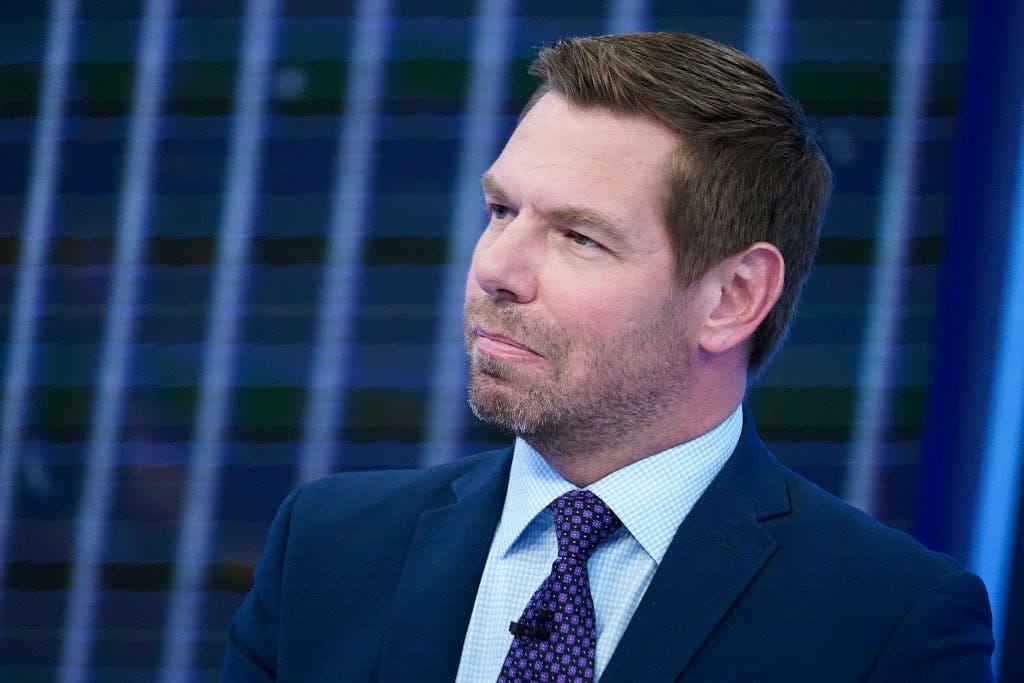
The Swalwell Story: A Chronicle of Alleged Media Suppression
In late 2020, news broke concerning Representative Eric Swalwell's connections to a Chinese national named Christine Fang, also known as Fang Fang, who was suspected of being an intelligence operative. This revelation ignited a firestorm of controversy, raising serious questions about potential compromises to national security. However, a growing number of critics allege that several mainstream media outlets deliberately downplayed or outright suppressed aspects of this story, shielding Swalwell from the full scrutiny he deserved.
The Timeline of Events: From Suspicion to Revelation
The timeline of events is crucial to understanding the gravity of the situation. Fang Fang first came to the attention of U.S. intelligence agencies sometime in the early 2010s. She enrolled as a student at California State University East Bay and quickly became involved in local political circles, targeting up-and-coming politicians with the aim of cultivating relationships. Swalwell, then a city councilman and later a member of Congress, was one of those targeted. By 2015, intelligence officials had grown sufficiently concerned about Fang's activities that they briefed Swalwell about their suspicions. He reportedly severed ties with her at that point, though the precise nature and extent of their relationship remains a subject of intense speculation. Fang subsequently left the United States.
The Allegations of Media Complicity: A Pattern of Protection?
The core of the controversy lies in the allegation that several major news organizations possessed information about Swalwell's connection to Fang long before the story became public, yet chose not to report it. Critics point to several pieces of evidence to support this claim. First, there are reports that some journalists were actively working on the story but were allegedly pressured by their editors to drop it. Second, the timing of the initial reports is suspicious. The story broke just days before Swalwell was due to take a prominent role in the House Intelligence Committee, leading some to believe that the information was deliberately withheld until it could cause maximum political damage.
Adding fuel to the fire, some sources suggest that certain media outlets were aware of Fang's broader intelligence activities, which extended beyond Swalwell, but deliberately narrowed their focus to protect other individuals or institutions. This raises the specter of political bias influencing journalistic decisions, a charge that has become increasingly common in recent years.
Specific Instances of Alleged Suppression
While direct evidence of a coordinated effort to suppress the Swalwell story is difficult to obtain, several specific instances raise serious questions. For example, some reports indicate that a major national newspaper had investigated Fang's activities extensively but chose not to publish its findings until after other outlets had already broken the story. This delay allowed the newspaper to frame its coverage in a way that minimized the potential damage to Swalwell and the Democratic Party.
Furthermore, critics point to the relatively limited coverage that the story received on television news. Despite the serious national security implications, the Swalwell-Fang connection was often relegated to brief segments or buried in larger news packages. This stands in stark contrast to the extensive coverage given to other political scandals, leading some to conclude that the media was deliberately downplaying the story.
Notably, between 2014 and 2020, Fang reportedly helped fundraise for Swalwell's campaigns. While the amounts were not individually large enough to trigger mandatory disclosure requirements, the cumulative effect and the source of the funds raise ethical and security concerns. The Federal Election Commission (FEC) requires disclosure of contributions exceeding $200 from a single source per election cycle. Fang's activities, while skirting this threshold, may have still been intended to curry favor and gain influence. This aspect of the story, including the fundraising element, was significantly underreported.
The National Security Implications
The potential national security implications of the Swalwell-Fang connection are significant. Fang's suspected role as an intelligence operative raises the possibility that Swalwell was compromised, potentially giving the Chinese government access to sensitive information or influencing his policy decisions. Even if Swalwell was not intentionally compromised, the fact that he was targeted by a foreign intelligence operative raises serious questions about his judgment and his ability to protect national security interests.
Consider the fact that Swalwell served on the House Intelligence Committee, which has access to some of the nation's most closely guarded secrets. From 2015 to 2022, he was in a position to potentially be influenced or blackmailed, even if unknowingly. The Intelligence Committee oversees agencies like the CIA, NSA, and FBI. This access makes any potential compromise especially dangerous.
The Role of Social Media: Amplification and Censorship
Social media played a complex role in the Swalwell story. On one hand, platforms like Twitter and Facebook helped to amplify the story, allowing it to reach a wider audience than it might have otherwise. On the other hand, some critics allege that these platforms also engaged in censorship, suppressing certain narratives or limiting the reach of content that was critical of Swalwell.
For example, some users reported that their posts about the Swalwell-Fang connection were flagged as misinformation or had their visibility significantly reduced. These allegations of censorship raise concerns about the power of social media companies to control the flow of information and to influence public opinion. It's worth noting that approximately 68% of U.S. adults get their news from social media at least occasionally, according to a 2023 Pew Research Center study, making this a crucial battleground for narrative control.
The Political Fallout: Damage Control and Denials
The Swalwell-Fang story has had a significant political fallout. Swalwell has faced calls for his resignation from Republican lawmakers, and his reputation has been damaged, even among some Democrats. He has consistently denied any wrongdoing and has accused his critics of engaging in a politically motivated smear campaign.
However, the allegations have continued to dog him, and they have raised broader questions about the vetting process for members of Congress and the potential for foreign interference in U.S. politics. The damage to Swalwell's reputation is evident in polling data. A 2021 survey by Rasmussen Reports found that 56% of likely voters believed Swalwell should be removed from the Intelligence Committee, highlighting the public's deep concern over the matter.
The Broader Context: Foreign Influence Operations
The Swalwell-Fang connection is just one example of a broader trend of foreign influence operations targeting U.S. politicians and institutions. China, in particular, has been accused of engaging in a wide range of activities aimed at promoting its interests and undermining U.S. influence. These activities include espionage, cyberattacks, and the cultivation of relationships with influential individuals.
The U.S. intelligence community has repeatedly warned about the growing threat posed by Chinese intelligence operations. In a 2020 report, the National Counterintelligence and Security Center (NCSC) stated that China is using a "whole-of-government" approach to steal U.S. technology, influence U.S. policy, and undermine U.S. alliances. The Swalwell-Fang case serves as a stark reminder of the need for vigilance and for robust measures to protect against foreign interference.
The Ethical Considerations for Journalists
The allegations of media suppression in the Swalwell case raise important ethical considerations for journalists. The primary responsibility of the press is to inform the public and to hold those in power accountable. When journalists deliberately suppress information or slant their coverage to protect certain individuals or institutions, they betray this responsibility and undermine public trust. The Society of Professional Journalists' Code of Ethics emphasizes seeking truth and reporting it, minimizing harm, acting independently, and being accountable and transparent.
The question of when to publish sensitive information is always a difficult one, but the decision should be based on the public interest, not on political considerations. In the Swalwell case, the potential national security implications of the story were so significant that the public had a right to know about it, regardless of the potential political fallout.
Moving Forward: Ensuring Accountability and Transparency
To prevent similar situations from happening in the future, it is essential to ensure accountability and transparency in both government and the media. Congress should strengthen its vetting procedures for members and should take steps to prevent foreign interference in U.S. politics. The media should adopt stricter ethical guidelines and should be more transparent about its decision-making processes.
Furthermore, the public needs to be more critical of the information it consumes and should be wary of narratives that appear to be driven by political bias. Only by demanding accountability and transparency can we protect ourselves from foreign interference and ensure that our democracy remains strong.
The Lasting Impact
The Swalwell-Fang controversy continues to reverberate through the political landscape. It has fueled distrust in both politicians and the media, and it has raised serious questions about the integrity of our institutions. The long-term impact of this scandal will depend on whether we are willing to learn from our mistakes and take the necessary steps to prevent similar situations from happening in the future. One thing is certain: the Swalwell-Fang connection serves as a cautionary tale about the dangers of foreign influence and the importance of vigilance in protecting our national security.
In 2023, the FBI Director Christopher Wray testified before Congress that the Chinese government poses the "biggest long-term threat" to U.S. national and economic security. He highlighted the scale and sophistication of China's intelligence operations, underscoring the importance of addressing vulnerabilities like those exposed in the Swalwell case. The incident highlights a systemic problem, emphasizing the need for continuous evaluation and improvement of security protocols at all levels of government.