- Conservative Fix
- Posts
- Susie Wiles Battles Breast Cancer Diagnosis
Susie Wiles Battles Breast Cancer Diagnosis
White House Chief of Staff faces health challenge with unwavering resolve.
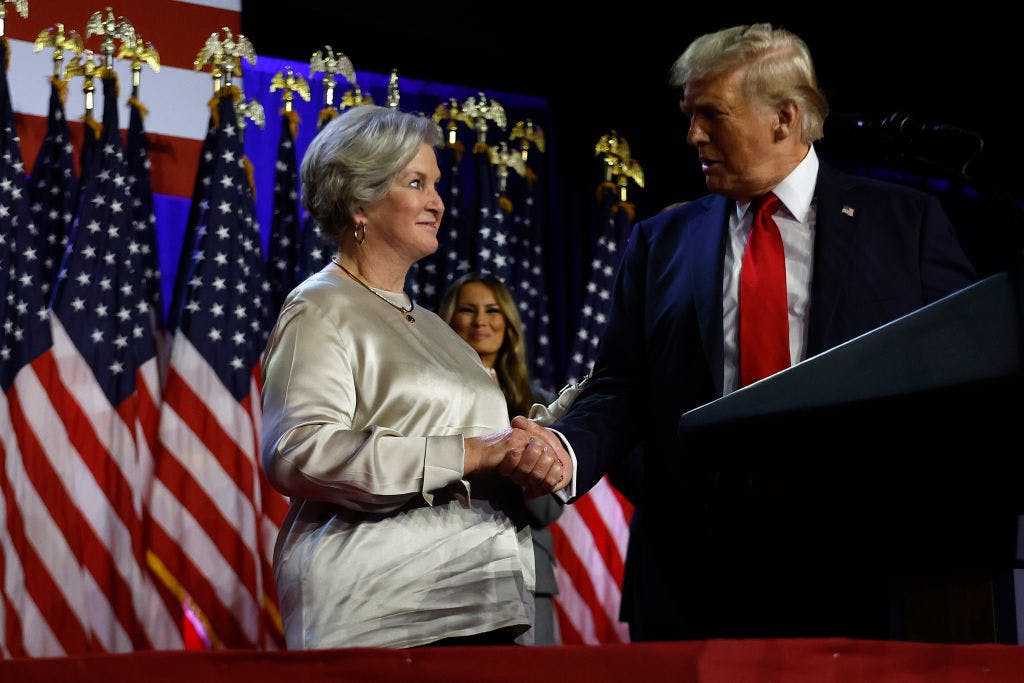
Wiles' Cancer Diagnosis Shakes White House
Susie Wiles, White House Chief of Staff, has been diagnosed with breast cancer. This news has rippled through Washington, prompting an outpouring of support for the highly regarded political strategist.
The diagnosis comes at a critical juncture, as the Biden administration navigates a complex landscape of domestic and international challenges. Wiles, known for her sharp political acumen and unwavering dedication, is considered a vital component of the President's inner circle. Her absence, even temporarily, will undoubtedly be felt across the White House.
A Seasoned Political Veteran
Wiles' career spans decades, marked by successful campaigns and strategic leadership roles. She has earned a reputation as a formidable force in Republican politics, working closely with prominent figures and advising on critical policy decisions. She is widely respected on both sides of the aisle for her professionalism and commitment to public service.
Prior to her role as White House Chief of Staff, Wiles served in various capacities, including advising numerous campaigns and holding key positions within state government. Her experience provides her with a deep understanding of the intricacies of political maneuvering and policy implementation.
The Impact on the Administration
The immediate impact of Wiles' diagnosis is already being assessed within the White House. While she is expected to continue working throughout her treatment, her ability to maintain her usual rigorous schedule may be affected. This could necessitate adjustments in the administration's workflow and potentially require other senior staff members to shoulder additional responsibilities.
The timing of this diagnosis also presents a challenge. With midterm elections approaching, the administration faces intense scrutiny from both sides of the political spectrum. Wiles' absence could potentially impact the administration's ability to effectively respond to emerging crises and navigate the complexities of the political landscape. According to a recent study by the Pew Research Center, the public's trust in government officials is already at a historic low, making effective communication and strategic leadership all the more critical during this period.
Breast Cancer: A National Crisis
Wiles' diagnosis highlights the pervasive impact of breast cancer, a disease that affects millions of women across the United States. According to the American Cancer Society, breast cancer is the most common cancer among women in the United States, accounting for approximately 30% of all new cancer diagnoses each year. Early detection and advancements in treatment have significantly improved survival rates, but the disease remains a major public health concern.
The National Breast Cancer Foundation estimates that one in eight women in the United States will develop breast cancer in their lifetime. This statistic underscores the importance of regular screenings, early detection, and access to comprehensive medical care. Disparities in access to healthcare and treatment options continue to exacerbate the burden of breast cancer on underserved communities. For example, African American women are more likely to be diagnosed with more aggressive forms of breast cancer and have lower survival rates compared to white women.
The financial burden of breast cancer treatment can also be significant. A study published in the journal *Health Affairs* found that the average cost of breast cancer treatment can range from $100,000 to $200,000, depending on the stage of the disease and the type of treatment received. This financial strain can have a devastating impact on families, particularly those who are already struggling to make ends meet.
Public Support and Well Wishes
News of Wiles' diagnosis has prompted an outpouring of support from colleagues, friends, and political figures across the spectrum. Many have taken to social media to express their well wishes and offer words of encouragement. The widespread support reflects the high regard in which Wiles is held and the deep respect she has earned throughout her career.
The White House has released a statement expressing its full support for Wiles and her family, stating that she remains a valued member of the administration and that they are confident she will overcome this challenge. The President has personally reached out to Wiles to offer his support and express his admiration for her strength and resilience.
Navigating Treatment and Recovery
Wiles is expected to undergo treatment in the coming months, which may include surgery, chemotherapy, and radiation therapy. The specific course of treatment will depend on the stage and characteristics of her cancer, as well as her overall health and personal preferences. She will be working closely with a team of medical professionals to develop a comprehensive treatment plan that is tailored to her individual needs.
The recovery process can be challenging, both physically and emotionally. Wiles will need to rely on her support network of family, friends, and colleagues to help her navigate the difficulties of treatment and recovery. It is essential that she prioritize her health and well-being during this time, allowing herself the time and space she needs to heal and recover.
The Future of Leadership
Wiles' diagnosis raises questions about the future of leadership within the White House. While she is expected to remain involved in her role as Chief of Staff, her ability to maintain her usual level of activity may be limited. The administration will need to carefully consider how to best support her during this time and ensure that her responsibilities are adequately covered.
This situation also presents an opportunity for other senior staff members to step up and demonstrate their leadership capabilities. The administration may choose to delegate some of Wiles' responsibilities to other individuals, providing them with valuable experience and preparing them for future leadership roles. This could ultimately strengthen the administration's overall capacity to respond to challenges and achieve its policy objectives.
A Reminder of Strength and Resilience
Susie Wiles' battle with breast cancer serves as a powerful reminder of the strength and resilience of the human spirit. Her diagnosis is a personal challenge, but it also highlights the importance of early detection, access to quality healthcare, and the power of community support. As she embarks on this journey, she can draw strength from the outpouring of love and support she has received from across the country.
Her unwavering dedication to public service and her commitment to overcoming adversity will undoubtedly inspire others who are facing similar challenges. Her story is a testament to the importance of hope, perseverance, and the belief that even in the face of adversity, it is possible to find strength and resilience.
According to the CDC, about 43,000 women die each year from breast cancer. Supporting research and preventative measures is crucial. The hope is that Wiles will make a full recovery and continue to serve with the same dedication she has always shown.
The news of Wiles' diagnosis also underscores the need for greater awareness and education about breast cancer. Many women are not aware of the risk factors for breast cancer or the importance of regular screenings. Increased education and awareness can help to empower women to take control of their health and make informed decisions about their care. Furthermore, the Affordable Care Act (ACA) mandates that most health insurance plans cover preventive services, including mammograms, without cost-sharing, which has significantly expanded access to early detection for millions of women. However, challenges remain in ensuring that all women, particularly those in underserved communities, have access to these vital services.
As Susie Wiles faces this personal battle, the nation watches and offers its support, hoping for a swift and complete recovery.