- Conservative Fix
- Posts
- Pooh Shiesty's Studio Showdown Justice Served
Pooh Shiesty's Studio Showdown Justice Served
Rapper's sentencing highlights accountability despite fame and fortune.
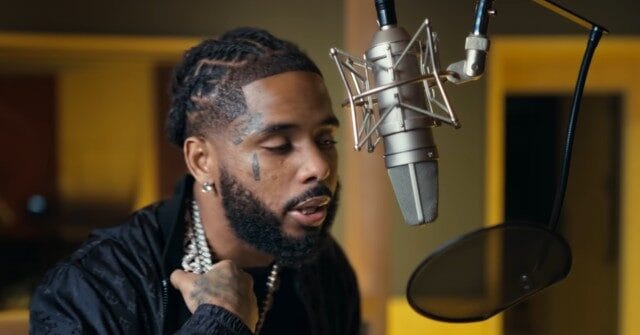
Rapper Pooh Shiesty Sentenced in Armed Robbery Case
Memphis rapper Lontrell Donell Williams Jr., known professionally as Pooh Shiesty, has been sentenced in connection with an armed robbery and shooting that occurred in Florida in 2020. The case, which involved allegations of holding a music executive at gunpoint, has drawn significant attention due to the rapper's fame and the severity of the charges.
The legal proceedings have been closely followed, particularly as details emerged about the circumstances surrounding the incident. According to reports, Williams, who was wearing an ankle monitor at the time of the alleged crime, and accompanied by his father, was involved in a dispute over a contract. The situation escalated, allegedly leading to the use of firearms and the robbery of the music executive.
Details of the Crime and Investigation
The incident took place at a recording studio in Bay Harbor Islands, Florida, in October 2020. Law enforcement officials allege that Williams and several associates met with two men to finalize a deal involving luxury vehicles. During the meeting, a disagreement arose, reportedly stemming from dissatisfaction with the terms of the agreement. This disagreement rapidly turned violent, with Williams and his associates allegedly brandishing firearms.
The victims claimed that they were held at gunpoint and forced to hand over cash and other valuables. One of the victims sustained a gunshot wound during the altercation, further escalating the severity of the crime. Investigators were able to identify Williams as a suspect through social media posts and surveillance footage from the recording studio. The ankle monitor he was wearing, a condition of his release in a separate case, also provided crucial evidence linking him to the scene.
One key piece of evidence was the recovery of a Louis Vuitton bag containing a substantial amount of cash, which matched the description of the money stolen during the robbery. Social media posts allegedly showed Williams posing with the same bag and cash prior to the incident, seemingly flaunting the ill-gotten gains. These posts became a focal point in the prosecution's case, demonstrating Williams's involvement in the crime.
Legal Proceedings and Plea Deal
Following his arrest, Williams faced multiple federal charges, including conspiracy to commit robbery and discharging a firearm during a violent crime. These charges carried the potential for a lengthy prison sentence, potentially decades behind bars. As the case progressed, Williams initially maintained his innocence, but later entered into a plea agreement with prosecutors.
Under the terms of the plea agreement, Williams pleaded guilty to one count of conspiracy to possess firearms in furtherance of violent crime. In exchange, prosecutors agreed to drop the more serious charges, including the charge related to discharging a firearm. This agreement significantly reduced the potential prison sentence Williams faced, but still carried a substantial term of imprisonment.
The plea deal was met with mixed reactions. Some observers criticized the agreement, arguing that Williams should have faced the full consequences of his actions, given the severity of the crime and the use of firearms. Others viewed the plea deal as a pragmatic outcome, recognizing the challenges of proving the more serious charges beyond a reasonable doubt.
The Sentencing and its Implications
During the sentencing hearing, the judge considered various factors, including the nature of the crime, Williams's criminal history, and his potential for rehabilitation. The prosecution argued for a significant prison sentence, emphasizing the seriousness of the offense and the need to deter similar conduct. The defense, on the other hand, argued for a more lenient sentence, highlighting Williams's youth, his lack of prior felony convictions, and his potential to contribute positively to society upon his release.
Ultimately, the judge sentenced Williams to a term of imprisonment. The specific length of the sentence was determined based on federal sentencing guidelines and the judge's assessment of the relevant factors. In addition to the prison sentence, Williams was also ordered to pay restitution to the victims of the robbery.
The sentencing of Pooh Shiesty serves as a reminder that fame and fortune do not provide immunity from the law. Regardless of one's status or popularity, individuals will be held accountable for their actions. This case underscores the importance of responsible behavior and the consequences of engaging in violent crime.
The Broader Context: Rap Music and Criminality
The case of Pooh Shiesty has also sparked discussions about the relationship between rap music and criminality. Some critics argue that certain rap lyrics and imagery glorify violence and contribute to a culture of crime. Others maintain that rap music is simply a reflection of the realities faced by many young people in marginalized communities and that it should not be unfairly scapegoated for societal problems.
It's important to note that the vast majority of rap artists are law-abiding citizens who use their music to express themselves and connect with their audiences. However, there have been instances where rap artists have been involved in criminal activity, raising legitimate concerns about the potential influence of their music and lifestyles.
According to a 2021 study by researchers at Georgia State University, approximately 20% of rappers experience involvement in the criminal justice system, a rate disproportionately higher than the general population. Furthermore, data from the Bureau of Justice Statistics indicates that young Black men are incarcerated at five times the rate of white men. These statistics highlight the complex interplay of socio-economic factors, race, and criminal justice outcomes.
In 2023, the FBI reported that violent crime rates in the United States decreased by approximately 1.7%, although aggravated assault rates remained relatively stable. This suggests that while overall crime trends may be improving, specific types of offenses, such as those involving firearms, continue to pose a significant challenge.
The debate over rap music and criminality is likely to continue, but it's crucial to approach the issue with nuance and avoid making generalizations. While it's important to hold individuals accountable for their actions, it's equally important to recognize the complex social and economic factors that contribute to crime and to promote positive solutions that address these underlying issues.
The Role of Personal Responsibility
Ultimately, the case of Pooh Shiesty is a stark reminder of the importance of personal responsibility. Regardless of one's background or circumstances, individuals have a duty to make responsible choices and to abide by the law. Engaging in criminal activity not only harms victims but also has devastating consequences for the perpetrators themselves, as evidenced by Williams's prison sentence.
It is also important to acknowledge the role of family and community in shaping an individual's choices. While Williams was accompanied by his father at the time of the alleged crime, it's unclear what role, if any, his father played in the incident. However, the presence of a parent during such a critical moment raises questions about the influence of family dynamics on an individual's behavior.
According to a 2022 report by the Annie E. Casey Foundation, children who grow up in stable, supportive families are more likely to succeed in school, avoid risky behaviors, and become productive members of society. Conversely, children who experience family dysfunction, poverty, or exposure to violence are at greater risk of engaging in criminal activity.
The sentencing of Pooh Shiesty should serve as a wake-up call to young people who may be tempted to engage in criminal behavior. The allure of fame and fortune should not overshadow the importance of making responsible choices and upholding the law. By embracing personal responsibility and seeking positive role models, young people can avoid the pitfalls of crime and build a brighter future for themselves and their communities.
In conclusion, the Pooh Shiesty case highlights the intersection of fame, criminal activity, and the justice system. While the details of the case are specific to Williams, the broader implications extend to discussions about responsibility, influence, and the consequences of choices made, regardless of status.