- Conservative Fix
- Posts
- Sixty-Six Year Mystery Solved DNA Brings Closure
Sixty-Six Year Mystery Solved DNA Brings Closure
Advanced DNA technology identifies remains of Oregon family missing since 1958, bringing an end to decades of uncertainty.
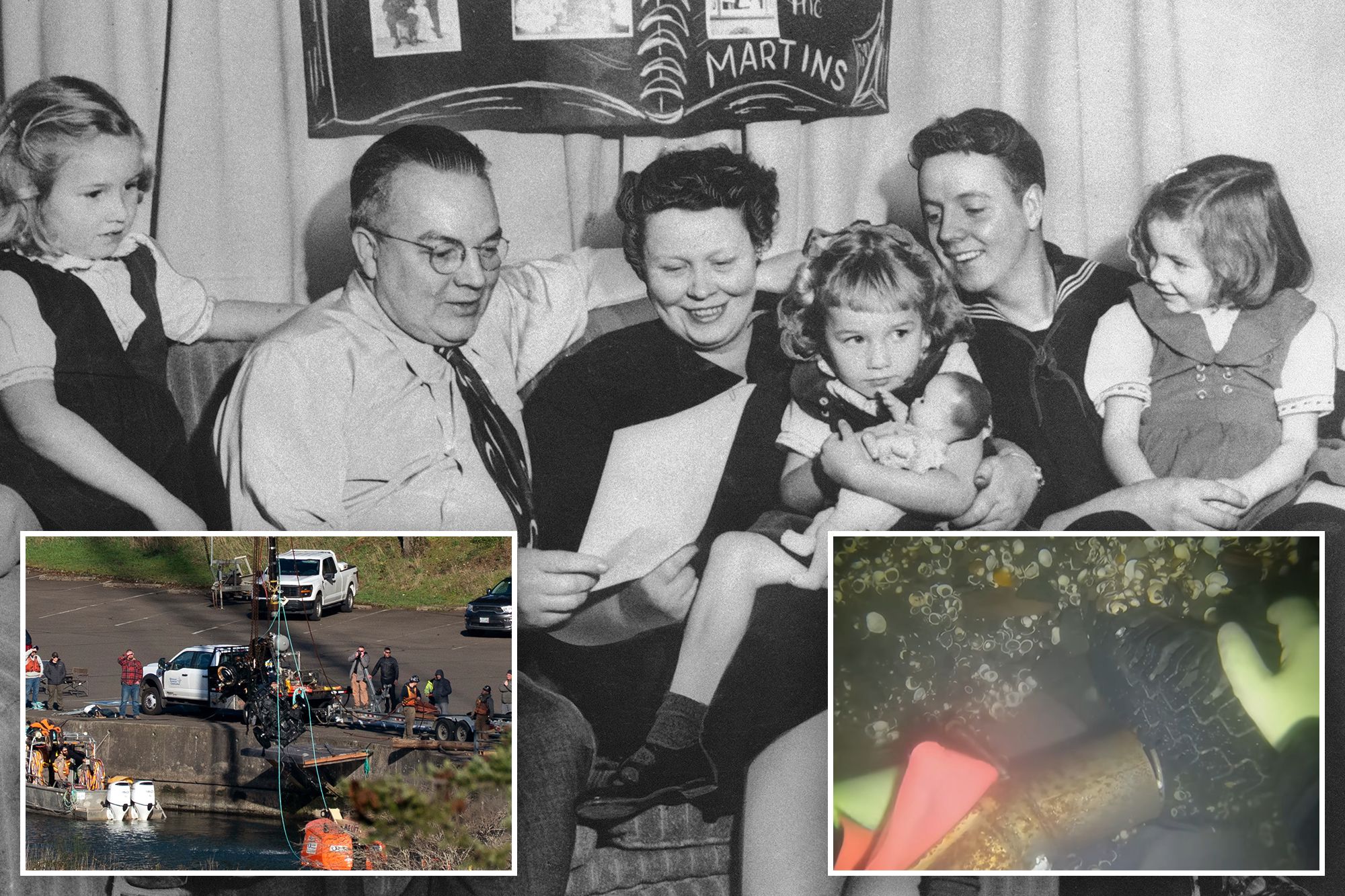
A Cold Case Cracked After Decades
The decades-long mystery surrounding the disappearance of an Oregon family in 1958 has finally been solved, thanks to advancements in DNA technology. Human remains found in a car recovered from the Columbia River have been positively identified as belonging to the missing family, bringing closure to a case that has haunted the region for generations.
The Vanished Family: A Look Back
In 1958, the family embarked on a trip from their home in Oregon. They were never seen again, leaving behind unanswered questions and a community gripped by uncertainty. Initial searches yielded no results, and the case eventually went cold. The disappearance became a local legend, a grim reminder of the unpredictable nature of life and the enduring pain of the unknown. Over the years, theories abounded, ranging from accidental drowning to foul play, but none could be substantiated without concrete evidence.
Discovery in the Depths
The breakthrough came when a local fisherman using sonar technology detected an anomaly in the Columbia River. Further investigation revealed a submerged vehicle, heavily damaged and encrusted with decades of sediment. The recovery operation was complex, requiring specialized equipment and careful handling to preserve any potential evidence within the car. Upon extraction, it became clear that the vehicle matched the description of the family's car, a crucial piece of the puzzle that hinted at a possible connection to the long-unsolved disappearance.
The Power of DNA: Identifying the Remains
Inside the recovered vehicle, investigators discovered human remains. Given the age of the remains and the harsh underwater environment, traditional identification methods were deemed insufficient. That’s where DNA analysis stepped in. Scientists were able to extract DNA samples from the remains and compare them to DNA provided by living relatives of the missing family. The results were conclusive: the remains belonged to the family that vanished in 1958. According to the National Missing and Unidentified Persons System (NamUs), approximately 4,400 unidentified bodies are recovered each year, highlighting the critical role DNA plays in resolving these cases.
The Science Behind the Breakthrough
The advancements in DNA technology that made this identification possible are truly remarkable. Modern DNA sequencing techniques allow scientists to analyze even highly degraded DNA samples, extracting valuable genetic information that was previously inaccessible. Polymerase chain reaction (PCR), a technique used to amplify small amounts of DNA, has also revolutionized forensic science, allowing for the analysis of minute traces of genetic material. Furthermore, the development of comprehensive DNA databases, like the Combined DNA Index System (CODIS) maintained by the FBI, facilitates the comparison of DNA profiles from different sources, significantly increasing the chances of identifying missing persons and solving cold cases. It’s estimated that CODIS contains over 20 million DNA profiles, aiding in countless investigations across the country. In 2023 alone, CODIS assisted in over 280,000 investigations.
A Community's Reaction: Relief and Remembrance
The identification of the remains has brought a mix of emotions to the community. While there is profound sadness for the tragic loss of life, there is also a sense of relief that the mystery has finally been solved. For the surviving relatives of the missing family, the news provides a sense of closure, allowing them to finally lay their loved ones to rest and begin the process of healing. Local historians and community leaders have emphasized the importance of remembering the family and honoring their memory. The local historical society is planning a memorial exhibit to commemorate the family and the impact their disappearance had on the community. The exhibit will feature photographs, documents, and personal stories related to the family and the search efforts that followed their disappearance.
The Lingering Questions: What Happened?
While the identification of the remains answers the question of who, the question of how remains. How did the family's car end up in the Columbia River? Was it an accident, or was there something more sinister at play? Law enforcement officials are continuing to investigate the circumstances surrounding the family's disappearance, re-examining old evidence and pursuing new leads. However, given the passage of time and the limited evidence available, it may be impossible to definitively determine the exact cause of the tragedy. One theory being explored is the possibility of a mechanical failure leading to the car plunging into the river. Another possibility is that the driver lost control of the vehicle due to inclement weather or poor road conditions. Investigators are also considering the possibility of foul play, although there is no concrete evidence to support this theory. The case remains open, and authorities are urging anyone with information to come forward, no matter how insignificant it may seem. Even seemingly minor details could provide valuable clues that help piece together the events leading up to the family's disappearance.
The Impact on Cold Case Investigations
This case underscores the importance of continued investment in forensic science and the power of DNA technology to solve even the most challenging cold cases. As technology advances, it opens new possibilities for identifying missing persons and bringing closure to families who have been waiting for answers for decades. The success in this case is likely to inspire renewed efforts to investigate other unsolved disappearances and to utilize cutting-edge forensic techniques to uncover the truth. Many law enforcement agencies are now prioritizing the use of advanced DNA analysis in cold case investigations, recognizing its potential to provide crucial evidence and bring justice to victims and their families. According to a 2022 report by the National Institute of Justice, the use of forensic genetic genealogy has led to the identification of suspects in over 200 cold case homicides in the past five years. This highlights the significant impact that these techniques are having on the criminal justice system.
The Future of Forensic Science
The field of forensic science is constantly evolving, with new technologies and techniques emerging all the time. In the future, we can expect to see even more sophisticated methods for analyzing DNA and other types of forensic evidence. For example, researchers are currently developing new techniques for analyzing ancient DNA, which could potentially be used to identify remains that are hundreds or even thousands of years old. There is also growing interest in the use of artificial intelligence and machine learning to analyze forensic data, which could help investigators identify patterns and connections that would be difficult or impossible to detect manually. These advancements hold the promise of further revolutionizing the field of forensic science and improving the ability to solve crimes and identify missing persons.
Remembering the Past, Looking to the Future
The resolution of this decades-old mystery serves as a poignant reminder of the enduring power of hope and the unwavering dedication of those who work to bring closure to families affected by tragedy. While the pain of loss may never fully disappear, the knowledge that the truth has finally been uncovered can provide a sense of peace and allow for the healing process to begin. As we reflect on this case, let us also remember the importance of supporting law enforcement and forensic science professionals in their efforts to solve cold cases and bring justice to victims and their families.
This case is a stark reminder that even after decades, the pursuit of justice and truth should never cease.