- Conservative Fix
- Posts
- NYC Streets: Elderly Woman Critically Injured by Van
NYC Streets: Elderly Woman Critically Injured by Van
A recent incident highlights growing concerns about pedestrian safety in New York City's bustling streets.
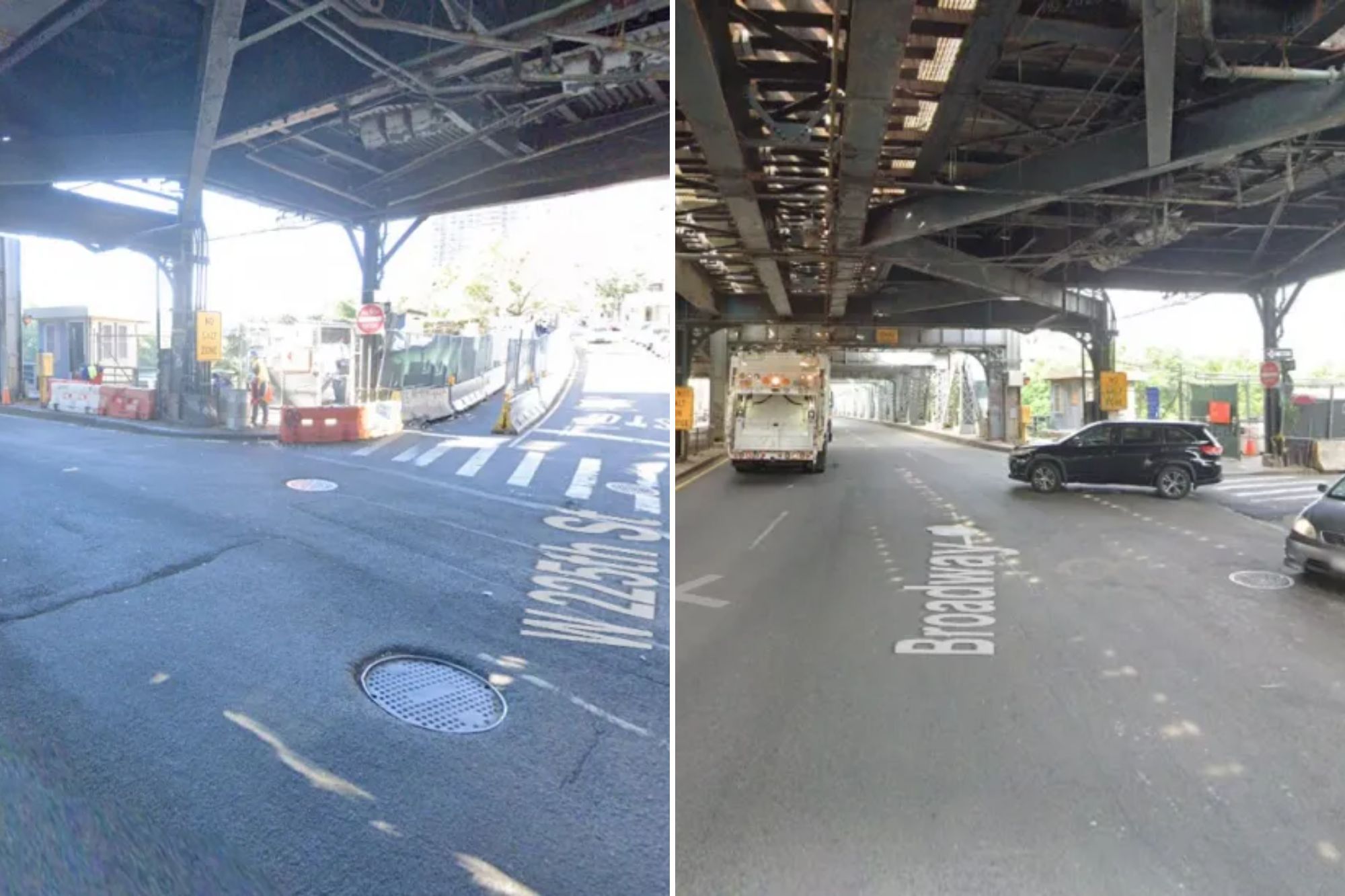
Tragedy on the Crosswalk
An elderly woman is in critical condition after being struck by a van in New York City. The incident, which occurred on a busy street corner, has reignited the debate over pedestrian safety in the city and the increasing number of traffic-related injuries. Details surrounding the crash are still emerging, but the immediate aftermath paints a grim picture of the dangers pedestrians face daily.
The Incident: A Closer Look
Initial reports indicate that the woman was crossing the street at a designated crosswalk when she was hit. The van, identified as a commercial vehicle, was reportedly making a turn when the collision occurred. Witnesses at the scene described a chaotic scene, with emergency responders arriving quickly to provide medical assistance to the injured woman. The driver of the van remained at the scene and is cooperating with the ongoing investigation.
One witness stated, "It all happened so fast. One moment she was walking, and the next she was on the ground. It was horrifying." This sentiment is echoed by many who frequent the area, highlighting a growing sense of unease among pedestrians. The New York Police Department (NYPD) is currently investigating the cause of the accident, including whether speed, distracted driving, or other factors contributed to the incident. They are also reviewing any available surveillance footage from nearby businesses and traffic cameras.
A City of Constant Motion
New York City, known for its vibrant energy and constant movement, presents unique challenges for pedestrian safety. The sheer volume of vehicles, coupled with dense pedestrian traffic, creates a complex and often dangerous environment. According to the New York City Department of Transportation (DOT), over 40% of traffic fatalities involve pedestrians. This statistic underscores the urgent need for comprehensive safety measures to protect vulnerable road users.
Adding to the complexity, the city's aging infrastructure and ever-changing streetscape can create confusion for both drivers and pedestrians. Construction zones, temporary lane closures, and poorly marked crosswalks can all contribute to accidents. The city's efforts to improve pedestrian safety, such as installing protected bike lanes and implementing slow zones, have yielded some positive results, but more needs to be done to address the root causes of traffic-related injuries.
The Vision Zero Initiative: Progress and Challenges
In 2014, New York City launched Vision Zero, an ambitious initiative aimed at eliminating traffic fatalities and serious injuries. The program focuses on a multi-pronged approach, including enforcement, engineering, and education. While Vision Zero has achieved some notable successes, such as reducing the overall number of traffic fatalities, progress has stalled in recent years.
Critics argue that the city's efforts have been insufficient to address the underlying causes of traffic violence. They point to the increasing number of SUVs and trucks on city streets, which pose a greater risk to pedestrians due to their size and weight. According to the Insurance Institute for Highway Safety (IIHS), SUVs are 67% more likely to kill pedestrians in crashes than cars. Furthermore, they argue that the city's enforcement efforts have been inconsistent, with a disproportionate focus on minor infractions rather than dangerous driving behaviors.
"We need to prioritize pedestrian safety above all else," says safety advocate Maria Hernandez. "That means investing in safer street designs, cracking down on reckless drivers, and holding accountable those who put pedestrians at risk."
The Role of Commercial Vehicles
Commercial vehicles, such as vans and trucks, play a vital role in the city's economy, but they also pose a significant risk to pedestrians. These vehicles are often larger and heavier than passenger cars, making them more dangerous in the event of a collision. In addition, commercial drivers are often under pressure to meet deadlines, which can lead to speeding and other risky behaviors.
The city has implemented regulations aimed at improving the safety of commercial vehicles, such as requiring side guards to prevent pedestrians from being run over in side-impact collisions. However, some argue that these regulations are not enough. They call for stricter enforcement of existing laws, as well as the implementation of new technologies, such as automatic emergency braking systems, to prevent collisions.
The Human Cost of Traffic Violence
The statistics surrounding traffic-related injuries and fatalities often overshadow the human cost of these incidents. Each number represents a life altered, a family shattered, and a community traumatized. The elderly woman struck by the van is not just a statistic; she is a person with a family, friends, and a life that has been put on hold. The physical and emotional toll of such incidents can be devastating, leaving victims with long-term disabilities, chronic pain, and psychological trauma.
The city must do more to support victims of traffic violence and their families. This includes providing access to medical care, counseling services, and legal assistance. In addition, the city should work to raise awareness about the impact of traffic violence and to promote a culture of safety on city streets.
The Path Forward: A Call for Action
The incident involving the elderly woman serves as a stark reminder of the urgent need for action to improve pedestrian safety in New York City. The city must adopt a comprehensive approach that addresses the root causes of traffic violence and prioritizes the safety of vulnerable road users. This includes investing in safer street designs, cracking down on reckless drivers, and holding accountable those who put pedestrians at risk.
Specifically, the city should consider the following measures:
- Expanding protected bike lanes and pedestrian plazas: These measures can create safer spaces for pedestrians and cyclists, reducing conflicts with vehicles.
- Implementing slow zones in residential areas and near schools: Lowering speed limits can significantly reduce the severity of collisions. A 2017 study by the AAA Foundation for Traffic Safety found that pedestrians hit by a car traveling at 30 mph are twice as likely to die as those hit by a car traveling at 25 mph.
- Increasing enforcement of traffic laws: Targeting dangerous driving behaviors, such as speeding, distracted driving, and drunk driving, can deter reckless behavior and improve safety for all road users.
- Investing in public education campaigns: Raising awareness about pedestrian safety and promoting responsible driving behaviors can help create a culture of safety on city streets.
- Upgrading traffic signals: Ensuring that crosswalk signals are clearly visible and provide adequate time for pedestrians to cross the street can prevent collisions. A study by the National Association of City Transportation Officials (NACTO) found that leading pedestrian intervals (LPIs), which give pedestrians a head start when crossing the street, reduce pedestrian-vehicle collisions by 13%.
- Utilizing technology: Implementing advanced driver assistance systems (ADAS) in commercial vehicles and exploring the use of smart traffic management systems can help prevent collisions and improve traffic flow.
The safety of New York City's pedestrians is paramount. By taking decisive action, the city can create a safer and more livable environment for all.
The Bigger Picture: National Trends
While this specific incident occurred in New York City, it's important to note that pedestrian fatalities are a growing problem across the United States. According to the National Highway Traffic Safety Administration (NHTSA), pedestrian fatalities reached a 40-year high in 2022, with over 7,500 pedestrians killed in traffic crashes. This represents a significant increase from previous years, and it highlights the need for a national effort to improve pedestrian safety.
Several factors contribute to the rise in pedestrian fatalities, including:
- Increased distracted driving: The proliferation of smartphones and other electronic devices has led to a surge in distracted driving, which puts pedestrians at risk.
- Larger vehicles: As mentioned earlier, the increasing popularity of SUVs and trucks has made collisions more deadly for pedestrians.
- Poorly designed infrastructure: Many cities and towns have outdated infrastructure that is not designed to protect pedestrians.
- Darkness: According to the Governors Highway Safety Association (GHSA), most pedestrian fatalities occur at night, when visibility is reduced.
Addressing these national trends requires a coordinated effort from federal, state, and local governments. This includes investing in safer infrastructure, enacting stricter laws against distracted driving, and promoting public awareness campaigns about pedestrian safety.
Holding Reckless Drivers Accountable
A critical aspect of improving pedestrian safety is holding reckless drivers accountable for their actions. This includes enforcing existing traffic laws, prosecuting drivers who cause serious injuries or fatalities, and imposing penalties that deter future reckless behavior. Some states have implemented stricter laws for drivers who kill or injure pedestrians, such as requiring mandatory jail time or license suspension.
In addition to criminal penalties, victims of traffic violence can also pursue civil lawsuits against negligent drivers. These lawsuits can provide financial compensation for medical expenses, lost wages, and pain and suffering. However, the legal process can be complex and time-consuming, and many victims struggle to navigate the system.
The Importance of Community Involvement
Improving pedestrian safety requires the involvement of the entire community. Residents, businesses, and community organizations all have a role to play in creating safer streets. This includes reporting dangerous driving behaviors, advocating for safer infrastructure, and participating in community safety initiatives.
Community organizations can also play a vital role in supporting victims of traffic violence and their families. This includes providing emotional support, connecting them with resources, and advocating for their rights. By working together, communities can create a culture of safety and prevent future tragedies.
The elderly woman's injury serves as a call to action. New York City and the nation must prioritize the safety of its most vulnerable citizens. By implementing comprehensive safety measures and fostering a culture of responsibility, we can create streets that are safe for everyone.