- Conservative Fix
- Posts
- NFL Reporter Exits After Coach Pool Photos Surface
NFL Reporter Exits After Coach Pool Photos Surface
A sports journalist's career faces turmoil following suggestive images with a married head coach.
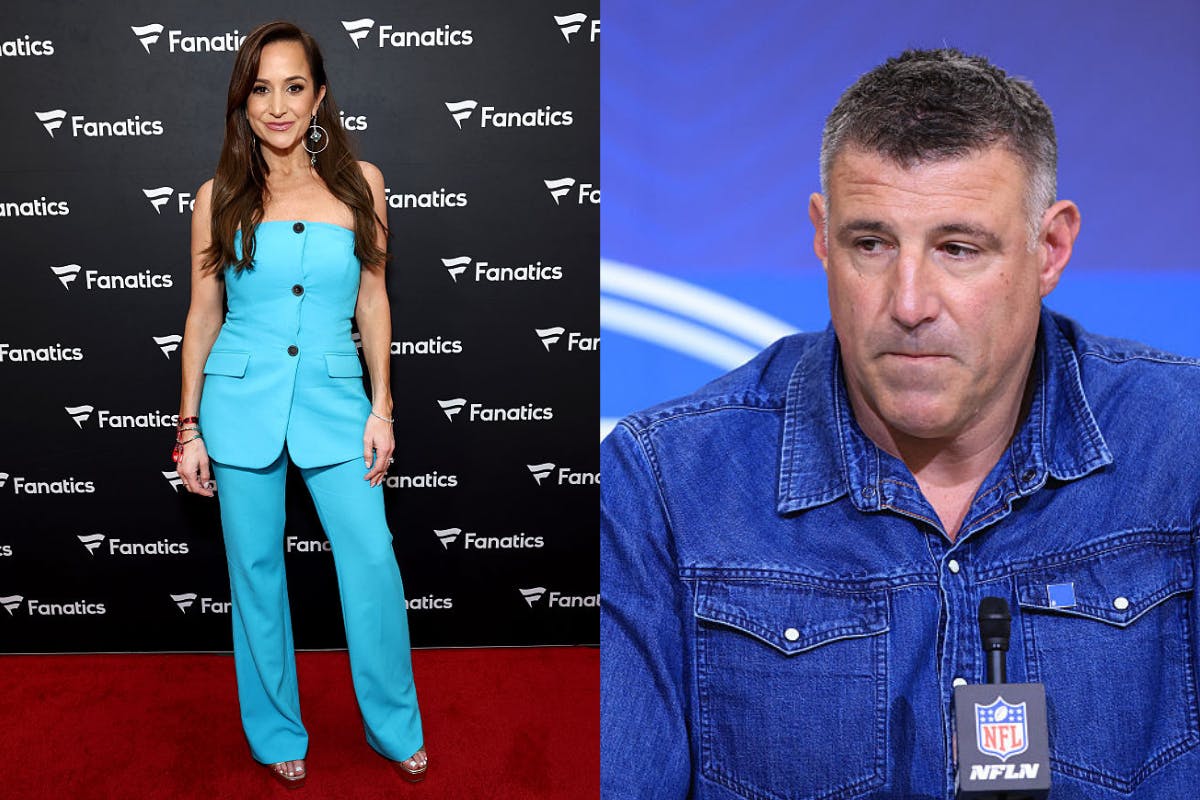
Allegations of Inappropriate Conduct Rock NFL World
An NFL reporter has resigned from their position after photos surfaced showing them in what some perceive as compromising situations with a head coach. The images, which circulated widely on social media, depict the reporter and the coach poolside, leading to accusations of professional impropriety and raising questions about journalistic ethics within the league.
The Scandal Unfolds: Social Media Ignites
The controversy began when several anonymous social media accounts posted photos showing the reporter and the coach at a resort pool. While the images themselves did not explicitly depict any illicit activity, the context of the situation - the coach being married and the reporter covering the team - immediately sparked outrage and speculation. Commentators online pointed to a potential conflict of interest, suggesting that the relationship could compromise the reporter’s objectivity when covering the team and its leadership.
Ethical Concerns: Objectivity Under Scrutiny
The core issue revolves around journalistic ethics, specifically the principle of maintaining objectivity and avoiding conflicts of interest. Sports reporters, like all journalists, are expected to cover their subjects fairly and impartially. A perceived close personal relationship between a reporter and a team official, especially the head coach, can raise doubts about the reporter’s ability to provide unbiased coverage. This is particularly true when reporting on team performance, personnel decisions, or any controversies involving the coach.
According to the Society of Professional Journalists' Code of Ethics, journalists should "avoid conflicts of interest, real or perceived" and "remain free of associations and activities that may compromise integrity or damage credibility." The photos, regardless of their explicit content, created a perception of impropriety that made it difficult for the reporter to maintain their professional standing.
The Reporter's Resignation: Damage Control?
Faced with mounting pressure and public scrutiny, the reporter ultimately resigned from their position. While the reporter has not publicly addressed the specific allegations, the resignation is widely interpreted as an acknowledgment of the seriousness of the situation and an attempt to mitigate further damage to their reputation and the reputation of their former employer. Some speculate that the resignation was encouraged, or even required, by the news organization to avoid further embarrassment and potential legal ramifications.
The Coach's Perspective: Silence and Speculation
The head coach involved in the controversy has remained largely silent on the matter. While the coach has not issued a formal statement, team representatives have indicated that the coach is focused on preparing for the upcoming season. This silence has only fueled further speculation and added to the public perception of wrongdoing. Critics argue that the coach's silence is itself an admission of guilt, or at least an indication that the coach recognizes the seriousness of the situation.
It is worth noting that in 2022, 34% of NFL head coaches were married, and this type of situation can have significant repercussions both professionally and personally. While the coach's job security may not be immediately threatened, the scandal could damage their reputation and undermine their authority within the team. Moreover, the personal consequences of the situation could be devastating, potentially leading to marital problems or even divorce.
Industry Reaction: Calls for Accountability
The scandal has prompted widespread discussion within the sports media industry, with many commentators calling for greater accountability and transparency. Some have argued that news organizations need to do more to prevent conflicts of interest and ensure that their reporters adhere to the highest ethical standards. Others have suggested that the NFL itself needs to take a more active role in regulating the relationships between team personnel and members of the media.
“This situation underscores the importance of maintaining clear boundaries between reporters and their subjects,” said one veteran sports journalist, speaking on background. “It’s essential that we uphold our professional integrity and avoid any appearance of impropriety, regardless of how innocent the interactions may seem.”
Legal Considerations: Defamation and Privacy
Beyond the ethical and professional implications, the scandal also raises potential legal considerations. Depending on the specific circumstances and the content of the images, both the reporter and the coach could potentially pursue legal action for defamation or invasion of privacy. Defamation claims could arise if false or misleading statements have been made about them, while privacy claims could be based on the unauthorized publication of private images.
It is important to note that defamation laws vary from state to state, and the burden of proof is typically on the plaintiff to demonstrate that the statements were false, defamatory, and published with malice or negligence. Similarly, privacy laws protect individuals from the unauthorized disclosure of private information, but these protections are not absolute and may be subject to certain exceptions, such as when the information is considered to be a matter of public concern.
The Broader Context: Media Ethics in the Digital Age
This incident serves as a stark reminder of the challenges facing journalists in the digital age. The proliferation of social media has made it easier than ever for information, including potentially damaging photos and videos, to be disseminated quickly and widely. This has created a new level of scrutiny for journalists, who are now subject to constant monitoring and evaluation by the public. At the same time, the rise of social media has also blurred the lines between personal and professional lives, making it more difficult for journalists to maintain a clear separation between their private activities and their public roles.
According to a 2023 study by the Pew Research Center, 68% of Americans get their news from social media at least occasionally. This means that journalists are increasingly reliant on social media to reach their audiences, but also more vulnerable to criticism and attacks on social media. In this environment, it is more important than ever for journalists to be mindful of their online presence and to avoid any actions that could compromise their credibility or reputation.
The Future of Sports Reporting: Maintaining Credibility
The scandal involving the NFL reporter and the coach has raised serious questions about the future of sports reporting. In an era of increasing media scrutiny and heightened public awareness, it is essential that sports journalists maintain the highest ethical standards and avoid any conflicts of interest that could undermine their credibility. This requires a commitment to transparency, objectivity, and accountability.
One potential solution is for news organizations to develop more comprehensive ethics policies and training programs for their reporters. These policies should clearly define what constitutes a conflict of interest and provide guidance on how to avoid such conflicts. Training programs should educate reporters on the importance of ethical conduct and provide them with the tools and resources they need to make sound ethical decisions. Furthermore, implementing stricter policies about interactions between reporters and team staff, including limitations on social events and personal relationships, could help mitigate future conflicts. In 2021, the Associated Press released updated social media guidelines for its journalists, highlighting the need for caution and awareness of potential biases in online activity. It is a good framework for other organizations to follow.
Ultimately, the responsibility for maintaining ethical standards rests with individual journalists. They must be willing to make difficult decisions and to prioritize their professional integrity over personal relationships or career advancement. By doing so, they can help to ensure that sports reporting remains a trusted and respected source of information for fans around the world. A 2019 Gallup poll found that only 41% of Americans trust the media “a great deal” or “a fair amount,” highlighting the urgent need for journalists to rebuild public trust. Failure to do so could have serious consequences for the future of the profession.
Financial Implications: A Career Derailed
The immediate consequence for the reporter is the loss of their job, impacting not only their reputation but also their income. Depending on the terms of their employment contract, they may face difficulties finding similar work in the future. Background checks, common in the sports media industry, could reveal the circumstances of their departure, potentially deterring future employers. Furthermore, the negative publicity could affect their ability to secure endorsements or other related opportunities. One study estimated that a major ethical breach can decrease a professional's earning potential by as much as 30% over a five-year period.
While the coach's financial standing may be more secure in the short term due to contractual obligations, long-term repercussions could also manifest. Sponsors may re-evaluate their partnerships, and future contract negotiations could be negatively influenced by the scandal. The team itself could face financial repercussions if the controversy leads to decreased ticket sales or diminished fan engagement.
The Role of Public Perception
The swiftness and intensity of the public reaction highlight the powerful role of perception in shaping professional outcomes. Even if no explicit wrongdoing occurred, the optics of the situation were damaging enough to trigger significant consequences. This underscores the importance of being aware of how actions might be interpreted by others, particularly in the age of social media where images and narratives can spread rapidly. A 2020 study on crisis communication found that perceptions of honesty and transparency are critical in mitigating negative impacts during a public scandal. In this case, the lack of direct communication from both parties involved likely exacerbated the situation, allowing speculation and assumptions to dominate the narrative.