- Conservative Fix
- Posts
- Newsom's Ex-Chief Admits Guilt, Deal Raises Eyebrows
Newsom's Ex-Chief Admits Guilt, Deal Raises Eyebrows
A former top aide to California's governor pleads guilty, sparking questions about the terms of the agreement.
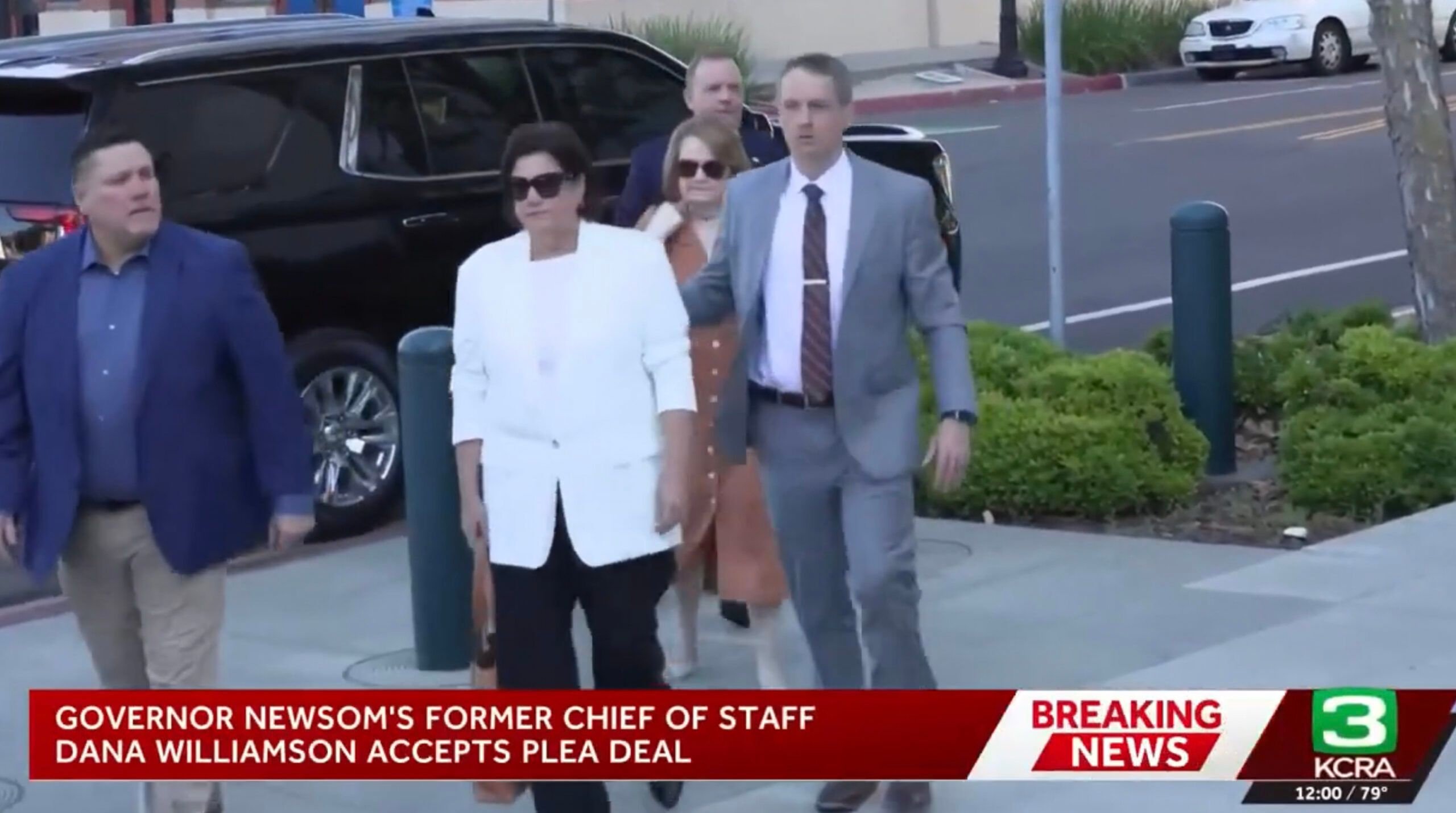
Guilty Plea in California Corruption Case
Alfredo Torrico, former chief of staff to California Governor Gavin Newsom when Newsom was mayor of San Francisco, has pleaded guilty to conspiracy to commit honest services fraud. The plea agreement, filed in federal court, outlines a scheme involving bribery and the funneling of city funds to a non-profit organization in exchange for personal benefits. While the guilty plea itself is significant, the details of the agreement are drawing considerable scrutiny and raising questions about potential leniency and the full scope of the investigation.
The Core of the Conspiracy
The case centers around the Friends of San Francisco Parks, a non-profit organization that received substantial funding from the city. According to the plea agreement, Torrico conspired with others to direct city funds to the organization, which then allegedly used those funds for purposes other than those intended, including paying for personal expenses and benefits for individuals involved in the scheme. This constitutes honest services fraud, a federal crime that involves depriving the public of the right to honest services from a public official.
Details of the Plea Agreement
The specific terms of the plea agreement are what have captured the attention of many legal observers and political analysts. While Torrico faces a potential prison sentence, the agreement reportedly includes provisions that could significantly reduce his time behind bars. One key aspect is his cooperation with ongoing investigations. Torrico has agreed to provide information and testify against other individuals who may have been involved in the scheme. This cooperation could be a significant factor in determining his final sentence.
This type of plea deal is not uncommon in complex corruption cases, as prosecutors often rely on the testimony of cooperating witnesses to build stronger cases against other defendants. However, the extent of the leniency offered to Torrico is raising questions about the information he possesses and the potential implications for other individuals, possibly including those in higher positions of power.
The Honest Services Fraud Statute
The charge of honest services fraud is rooted in the principle that public officials have a duty to act in the best interests of the public, free from personal gain or undue influence. The statute, 18 U.S.C. § 1346, defines honest services fraud as a scheme or artifice to deprive another of the intangible right of honest services. This can include bribery, kickbacks, and conflicts of interest that compromise the integrity of public office.
The honest services fraud statute has been the subject of considerable legal debate over the years, with some critics arguing that it is overly broad and susceptible to abuse. The Supreme Court has narrowed the scope of the statute in several cases, but it remains a powerful tool for prosecutors in combating public corruption.
The Broader Context of San Francisco Corruption
Torrico's guilty plea is just the latest in a series of corruption scandals that have plagued San Francisco in recent years. Several other high-ranking city officials and individuals connected to city government have been implicated in various schemes involving bribery, fraud, and conflicts of interest. These scandals have raised serious questions about the culture of corruption within San Francisco's government and the effectiveness of oversight mechanisms.
One notable case involved Mohammed Nuru, the former director of San Francisco's Public Works department, who was charged with bribery and fraud. Nuru was accused of accepting bribes from contractors in exchange for favorable treatment in the awarding of city contracts. His case revealed a network of corruption that extended to other city departments and officials.
The repeated instances of corruption have led to calls for greater transparency and accountability in San Francisco's government. Reform advocates are pushing for stricter ethics laws, enhanced oversight mechanisms, and a more robust culture of integrity within city agencies.
Potential Implications for Governor Newsom
While the alleged wrongdoing occurred during Newsom's tenure as mayor of San Francisco, the case could still have political implications for the governor. Opponents may seek to use the scandal to damage Newsom's reputation and question his judgment in selecting and overseeing his staff. The extent to which the case impacts Newsom's political standing will likely depend on whether any evidence emerges linking him directly to the alleged wrongdoing.
It's important to note that Newsom has not been accused of any wrongdoing in connection with the Torrico case. However, as the former mayor of San Francisco during the time period in question, he may face scrutiny over his administration's oversight of city funds and contracts.
The Role of the FBI and Federal Investigators
The investigation into Torrico and the Friends of San Francisco Parks was conducted by the Federal Bureau of Investigation (FBI) and other federal law enforcement agencies. The FBI has a long history of investigating public corruption cases, and its involvement in this case underscores the seriousness of the allegations. Federal investigators have the resources and expertise to uncover complex financial schemes and bring corrupt officials to justice.
The use of wiretaps, subpoenas, and other investigative tools has allowed federal investigators to gather substantial evidence in the Torrico case and other San Francisco corruption scandals. The success of these investigations demonstrates the importance of federal law enforcement in combating public corruption at the local level.
The Friends of San Francisco Parks: A Closer Look
The Friends of San Francisco Parks, the non-profit at the center of the scandal, was ostensibly created to support and enhance the city's parks system. Non-profit organizations like this often play a vital role in supplementing government funding and providing valuable services to the community. However, the Torrico case highlights the potential for abuse when non-profits are used as vehicles for personal gain or other illicit purposes.
One key aspect of the investigation has been to determine how the city funds were actually used by the Friends of San Francisco Parks. Investigators have reportedly examined financial records and interviewed individuals connected to the organization to determine whether the funds were used for legitimate park-related projects or diverted to other purposes. According to public records, the Friends of San Francisco Parks received over $1.5 million in city grants during the period in question.
The Next Steps in the Case
With Torrico's guilty plea, the case now moves into the sentencing phase. The judge will consider a variety of factors in determining Torrico's sentence, including the severity of the crime, his cooperation with investigators, and his prior criminal history (if any). The sentencing guidelines for honest services fraud can vary depending on the specific circumstances of the case.
In addition to the sentencing of Torrico, the investigation is likely to continue, with prosecutors potentially targeting other individuals who may have been involved in the scheme. Torrico's cooperation could be crucial in building cases against these individuals.
Legal experts predict that the plea agreement signals a wider investigation, suggesting that authorities are seeking information that could implicate other figures. This is a common tactic in complex corruption cases, where lower-level individuals are offered deals in exchange for testimony against more prominent figures. The exact nature and scope of this continuing investigation remain to be seen, but it underscores the potential for further developments in the case.
The Importance of Transparency and Accountability
The Torrico case underscores the importance of transparency and accountability in government. Public officials must be held to the highest ethical standards, and there must be robust mechanisms in place to prevent and detect corruption. When corruption occurs, it erodes public trust and undermines the integrity of government.
One critical aspect of promoting transparency is ensuring that government records are accessible to the public. This allows citizens to scrutinize government actions and hold officials accountable. Another important measure is to strengthen ethics laws and regulations to prevent conflicts of interest and other forms of corruption. Furthermore, independent oversight bodies can play a valuable role in monitoring government activities and investigating allegations of wrongdoing. According to a 2022 study by the Center for Public Integrity, states with stronger ethics laws tend to have lower rates of public corruption.
The Impact on San Francisco Politics
The ongoing corruption scandals in San Francisco are likely to have a significant impact on the city's political landscape. Voters may become more cynical and distrustful of elected officials, and they may be more likely to support candidates who promise to clean up corruption and restore integrity to government. The next election cycle in San Francisco could be shaped by the issue of corruption, with candidates vying to position themselves as reformers who can address the problem.
The Role of Campaign Finance Reform
Some observers argue that campaign finance reform is essential to reducing corruption in government. Large campaign contributions can create the appearance of undue influence and make it more difficult for public officials to make decisions in the best interests of the public. By limiting campaign contributions and increasing transparency in campaign finance, it may be possible to reduce the potential for corruption. The Brennan Center for Justice estimates that over $14 billion was spent on elections in 2020, highlighting the significant sums involved.
Conclusion
Alfredo Torrico's guilty plea is a significant development in the ongoing saga of corruption in San Francisco. While the full extent of the scheme and its potential impact remain to be seen, the case serves as a reminder of the importance of vigilance and accountability in government. The terms of the plea agreement and the ongoing investigation will continue to be closely watched by legal observers, political analysts, and the public alike. The pursuit of justice in this case is crucial for restoring public trust and ensuring that public officials are held accountable for their actions. A 2018 study by the World Bank found a direct correlation between perceived levels of corruption and decreased foreign investment in developing nations, highlighting the economic impact of corruption.