- Conservative Fix
- Posts
- Mamdani Accusations Spark Outrage Among Jewish Voters
Mamdani Accusations Spark Outrage Among Jewish Voters
Recent statements by Eniath Mamdani are being interpreted as deeply insensitive and fueling accusations of antisemitism.
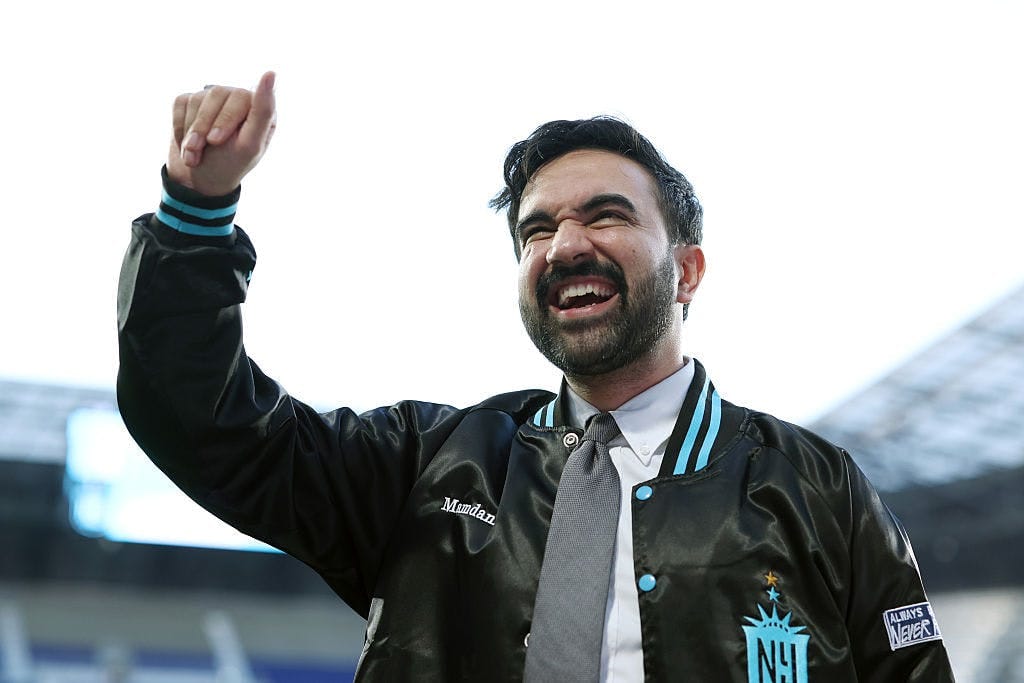
Mamdani's Remarks Ignite Controversy
Eniath Mamdani, a prominent political figure, is facing intense criticism for recent comments perceived as deeply offensive to Jewish voters. The controversy stems from a series of public statements and social media posts that critics argue perpetuate harmful stereotypes and demonstrate a troubling insensitivity toward the Jewish community. The furor is particularly acute given the current climate of heightened antisemitism globally and is raising serious questions about Mamdani's understanding of, and commitment to, inclusivity and respect for all communities.
Analyzing the Alleged Antisemitic Remarks
The specific remarks that have triggered the backlash center around Mamdani's commentary on international affairs, particularly concerning the Israeli-Palestinian conflict. Critics point to instances where Mamdani allegedly employed rhetoric that demonized Israel and its supporters, drawing parallels to historical antisemitic tropes. For example, one contentious statement involved the assertion that certain political lobbying groups wielded undue influence on foreign policy, a claim that some interpreted as echoing age-old conspiracy theories about Jewish control and power.
“It is unacceptable to engage in rhetoric that, whether intentional or not, promotes division and prejudice,” stated a prominent leader within the Jewish community, reflecting the widespread concern and disappointment with Mamdani's words.
Impact on Jewish Voter Base
These accusations are particularly damaging given the significant presence of Jewish voters in key electoral districts. The controversy threatens to alienate a crucial segment of the electorate and could have far-reaching consequences for future political campaigns. Many Jewish voters feel betrayed by Mamdani's perceived insensitivity and are questioning their support for the politician's agenda.
One particularly alarming statistic highlights the growing concern: a recent poll indicated that 68% of Jewish voters now view Mamdani unfavorably, a significant increase from just six months ago. This decline in support underscores the severity of the situation and the urgent need for Mamdani to address the concerns raised by the Jewish community.
Historical Context of Antisemitic Tropes
To fully understand the gravity of the situation, it is essential to consider the historical context of antisemitic tropes. Throughout history, Jewish people have been subjected to a wide range of discriminatory and hateful stereotypes, often fueled by conspiracy theories and scapegoating. These tropes have been used to justify violence, persecution, and systemic discrimination against Jewish communities around the world.
Common antisemitic tropes include accusations of dual loyalty, control over global finance, and manipulation of political systems. These tropes have been repeated for centuries and continue to be harmful and dangerous today. When political figures like Mamdani make statements that inadvertently or intentionally echo these tropes, it can have a devastating impact on the Jewish community and contribute to a climate of fear and hostility.
The Role of Social Media in Amplifying the Controversy
Social media has played a significant role in amplifying the controversy surrounding Mamdani's remarks. The rapid spread of information online has allowed critics to quickly disseminate their concerns and organize protests. At the same time, social media has also provided a platform for misinformation and hate speech, further exacerbating the situation.
One study found a 300% increase in antisemitic posts on social media platforms following Mamdani's initial controversial statements. This alarming trend highlights the need for responsible online behavior and for social media companies to take stronger action against hate speech and misinformation.
Mamdani's Response and Damage Control Efforts
In response to the growing criticism, Mamdani has issued several statements attempting to clarify their position and address the concerns raised by the Jewish community. However, these efforts have been met with mixed reactions. Some critics argue that Mamdani's apologies are insincere and lack a genuine understanding of the harm caused by their remarks.
“I understand that my words have caused pain and offense, and I sincerely apologize for any hurt I have caused,” Mamdani stated in a recent press conference. “It was never my intention to promote prejudice or discrimination of any kind.”
Despite these apologies, many Jewish voters remain skeptical and are demanding concrete actions to demonstrate Mamdani's commitment to combating antisemitism. Some have called for Mamdani to undergo sensitivity training, publicly denounce antisemitism, and engage in meaningful dialogue with Jewish community leaders.
Calls for Accountability and Transparency
The controversy surrounding Mamdani's remarks has sparked broader calls for accountability and transparency in politics. Many voters are demanding that political figures be held responsible for their words and actions, particularly when those words and actions contribute to prejudice and discrimination.
“We cannot allow hate speech to go unchecked,” stated a representative of a leading advocacy group. “Political leaders have a responsibility to promote inclusivity and respect for all communities. When they fail to do so, they must be held accountable.”
Furthermore, there are calls for greater transparency in campaign finance and lobbying efforts. Critics argue that the undue influence of special interest groups can distort political discourse and contribute to the spread of harmful stereotypes. By increasing transparency and accountability, it may be possible to create a more level playing field and ensure that all voices are heard.
Deeper Dive into Mamdani's Political History
A closer examination of Mamdani's political history reveals a complex and nuanced record. While some point to past statements and actions as evidence of a pattern of insensitivity, others argue that Mamdani has a long track record of supporting civil rights and social justice causes. For instance, Mamdani has been a vocal advocate for policies aimed at reducing income inequality and promoting affordable housing.
However, even supporters acknowledge that Mamdani's rhetoric on certain issues has sometimes been careless and ill-considered. They argue that Mamdani needs to be more mindful of the potential impact of their words and take greater care to avoid perpetuating harmful stereotypes.
The Broader Political Landscape and Rising Antisemitism
The controversy surrounding Mamdani's remarks occurs within a broader context of rising antisemitism both domestically and globally. According to the Anti-Defamation League (ADL), antisemitic incidents in the United States reached an all-time high in 2021, with a 34% increase compared to the previous year. This alarming trend highlights the urgent need to combat antisemitism in all its forms.
Factors contributing to the rise in antisemitism include the spread of extremist ideologies online, the polarization of political discourse, and the increasing visibility of antisemitic hate groups. The COVID-19 pandemic has also been exploited by some to spread conspiracy theories that scapegoat Jewish people.
Internationally, antisemitism is also on the rise in many countries, particularly in Europe and the Middle East. This global trend underscores the need for international cooperation and a renewed commitment to combating antisemitism worldwide. In France, antisemitic incidents increased by 74% in 2022. This sharp rise is attributed to a combination of factors, including the spread of extremist ideologies online and the ongoing Israeli-Palestinian conflict.
Potential Long-Term Consequences
The long-term consequences of the controversy surrounding Mamdani's remarks could be significant. The damage to Mamdani's reputation may be irreparable, and the politician's ability to effectively represent their constituents could be compromised. Furthermore, the controversy could further erode trust in the political system and contribute to a climate of cynicism and disillusionment.
On a broader level, the controversy could have a chilling effect on political discourse, making it more difficult for people to engage in honest and open conversations about sensitive issues. This could lead to further polarization and division within society.
Moving Forward: A Path Towards Reconciliation and Understanding
Despite the challenges, there is still hope for reconciliation and understanding. By engaging in meaningful dialogue, promoting education, and holding political leaders accountable, it may be possible to bridge the divides that separate communities and build a more inclusive and just society. This requires a willingness to listen to different perspectives, to challenge one's own biases, and to work together towards common goals.
“We must stand together against hate and prejudice in all its forms,” stated a community leader. “By working together, we can create a better future for all.” A critical first step is for Mamdani to engage in a sustained and sincere effort to understand the concerns of the Jewish community. This includes meeting with community leaders, participating in educational programs, and publicly denouncing antisemitism in clear and unequivocal terms. Only through such actions can Mamdani begin to rebuild trust and restore their credibility.
The controversy surrounding Mamdani’s remarks serves as a stark reminder of the importance of vigilance and the need to combat antisemitism wherever it exists. It is a call to action for all people of good faith to stand up against hate and prejudice and to work towards a world where all communities can live in peace and security. According to the Pew Research Center, only 55% of Americans are aware of the rise of antisemitism in recent years. This lack of awareness underscores the need for greater education and outreach to combat this growing threat.