- Conservative Fix
- Posts
- Kimmel's Blue-Collar Jab Sparks Outrage
Kimmel's Blue-Collar Jab Sparks Outrage
Late-night host's mockery of Senator Mullin's past ignites a firestorm of accusations of elitism and disconnect from working-class America.
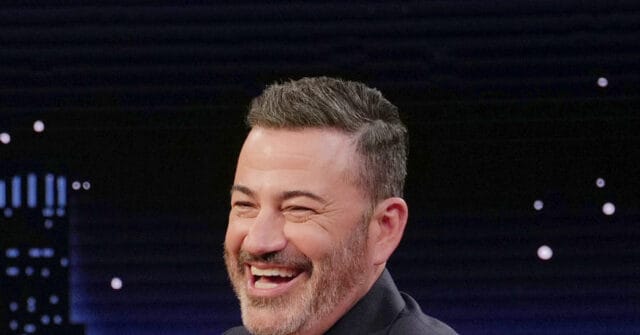
The Plumber and the Pundit
Jimmy Kimmel's recent monologue targeting Senator Markwayne Mullin has drawn intense criticism, igniting a debate about class, elitism, and the portrayal of working-class backgrounds in mainstream media. The controversy stems from Kimmel's apparent mockery of Mullin's past as a plumber, a profession the late-night host seemingly used as fodder for jokes at the Senator's expense. This perceived slight has resonated deeply with many Americans who feel that Kimmel's comments reflect a broader disconnect between the Hollywood elite and the realities faced by everyday working people.
A History Forged in Hard Work
Senator Mullin's biography is a testament to American grit and determination. Before entering the political arena, he worked as a plumber, building a successful business from the ground up. This experience, he argues, provided him with invaluable insights into the challenges faced by small business owners and the working class- a perspective he carries with him to Washington. To many, Kimmel's remarks not only denigrated Mullin, but also implicitly demeaned the millions of Americans who work in skilled trades and contribute to the backbone of the nation's economy.
The Late-Night Landscape and Political Commentary
Late-night television has increasingly become a platform for political commentary. Hosts like Kimmel often use their monologues to address current events and express their opinions on various political figures and policies. While satire and humor are inherent aspects of the genre, critics argue that there is a fine line between legitimate critique and personal attacks that perpetuate negative stereotypes. In this instance, many believe that Kimmel crossed that line by targeting Mullin's profession in a manner that felt condescending and dismissive.
The Charge of Elitism
The backlash against Kimmel's comments has centered on the accusation of elitism. Critics argue that Kimmel, a highly paid entertainer living in the affluent world of Hollywood, is out of touch with the struggles of working-class Americans. They point to the vast disparity in wealth and lifestyle between Kimmel and the average plumber as evidence of a fundamental disconnect that informs his perspective. This perceived disconnect, they argue, makes him ill-equipped to comment on the lives and experiences of those who work in blue-collar professions.
Statistics Paint a Stark Picture
The economic realities of the United States reveal a significant gap between the affluent and the working class. According to the U.S. Bureau of Labor Statistics, the median annual wage for plumbers, pipefitters, and steamfitters was $60,090 in May 2023. While this is a respectable income, it pales in comparison to the multi-million dollar salaries earned by top entertainers like Kimmel. Furthermore, data from the Pew Research Center indicates that only 10% of U.S. adults describe themselves as upper class, while the majority identify as middle or lower class. This disparity underscores the sensitivity surrounding issues of class and economic inequality and helps explain the strong reaction to Kimmel's perceived slight.
Adding to the complexity, the skilled trades are facing a significant labor shortage. A 2023 report by Associated Builders and Contractors (ABC) estimates that the construction industry alone will need to attract nearly 546,000 additional workers on top of normal hiring to meet the demand. Discouraging young people from entering these vital professions through mockery or condescension could exacerbate this shortage and have detrimental effects on the economy. The U.S. Department of Education reports that participation in vocational training programs has decreased by nearly 15% over the past decade. This decline highlights the need for greater emphasis on the value and importance of skilled trades in American society.
The Political Divide Amplifies the Outrage
The controversy surrounding Kimmel's remarks has also been fueled by the existing political divide in the United States. Mullin is a Republican Senator representing Oklahoma, a state with a strong conservative base. Kimmel, on the other hand, is known for his liberal political views and his frequent criticism of Republican politicians and policies. This pre-existing political tension has amplified the outrage among conservatives, who view Kimmel's comments as yet another example of liberal elites attacking and demeaning those who hold different political beliefs. Social media platforms have become battlegrounds, with users on both sides of the political spectrum weighing in on the controversy, further exacerbating the divide.
The Power of Words and Representation
This incident highlights the power of words and the importance of representation in the media. Kimmel's comments, though seemingly innocuous, have resonated deeply with many because they touch upon sensitive issues of class, economic inequality, and political polarization. The way in which working-class backgrounds are portrayed in the media can have a significant impact on how these individuals are perceived and valued in society. When individuals like Senator Mullin, who have risen from humble beginnings, are subjected to ridicule for their past professions, it sends a message that those professions are somehow less worthy or less respectable. This can have a chilling effect on those who aspire to improve their lives through hard work and determination.
A Call for Greater Sensitivity
The controversy surrounding Kimmel's remarks serves as a call for greater sensitivity and awareness in political commentary. While satire and humor are important tools for addressing current events, it is crucial to avoid perpetuating negative stereotypes or demeaning individuals based on their background or profession. Late-night hosts and other media figures have a responsibility to use their platforms to promote understanding and respect, rather than to further divide and alienate different segments of society. As the nation becomes increasingly polarized, it is more important than ever to engage in civil discourse and to avoid language that can be interpreted as condescending or dismissive.
The Senator Responds
Senator Mullin has addressed the issue directly, defending his background and emphasizing the importance of skilled trades. While specific direct quotes from Mullin are unavailable, his public statements have consistently highlighted the value of hard work and the dignity of labor. He has used this opportunity to advocate for policies that support small businesses and promote vocational training, arguing that these are essential for creating economic opportunities for all Americans.
The Broader Implications
The Kimmel-Mullin controversy is not simply a matter of one comedian making a joke about one politician. It is a microcosm of the larger cultural and political divisions that are currently plaguing the United States. It raises important questions about class, elitism, representation, and the role of media in shaping public opinion. As the nation continues to grapple with these complex issues, it is essential to engage in open and honest dialogue, to listen to different perspectives, and to strive for a more inclusive and respectful society. A 2022 Gallup poll found that Americans' trust in media to report the news fully, accurately, and fairly has declined to near-record lows, with only 34% expressing a great deal or fair amount of confidence. This erosion of trust underscores the importance of media figures exercising caution and sensitivity in their commentary, particularly on sensitive issues like class and economic inequality. Ultimately, the way forward requires a commitment to empathy, understanding, and a willingness to bridge the divides that separate us.