- Conservative Fix
- Posts
- Detroit Cop's Dark Secret Shatters Trust
Detroit Cop's Dark Secret Shatters Trust
A decorated officer's double life as a serial rapist exposed.
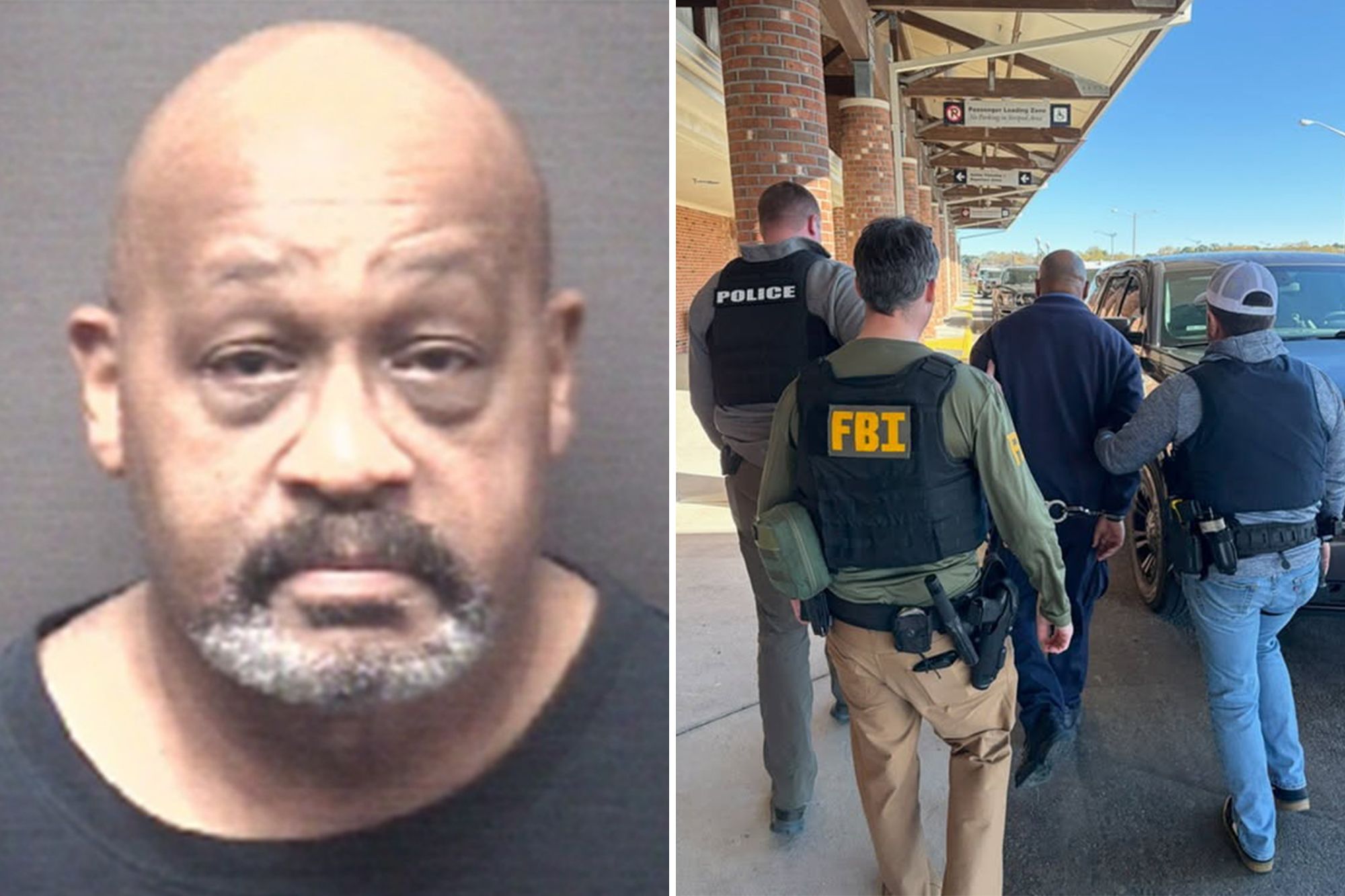
A City Betrayed: Decorated Sergeant's Secret Life
Detroit is reeling from the revelation that a decorated police sergeant, once lauded for his service and commitment to the community, allegedly led a double life as a serial rapist. The case, now unfolding in the courts, has not only shocked residents but also ignited a fierce debate about police accountability, the vetting process for law enforcement officers, and the profound betrayal of public trust. This isn't just about one bad apple; it's about a systemic failure that allowed a predator to wear a badge and uniform while allegedly committing heinous crimes.
The Accusations: A Pattern of Predatory Behavior
The prosecutor's office has laid out a disturbing narrative, alleging that the sergeant, whose name is being withheld to protect the identities of the victims, engaged in a pattern of predatory behavior spanning several years. The charges include multiple counts of criminal sexual conduct, kidnapping, and unlawful imprisonment. According to court documents, the victims, who come from diverse backgrounds and age groups, were allegedly targeted and assaulted in various locations throughout the city. The modus operandi, as described in the charging documents, points to a calculated and methodical approach, suggesting a level of premeditation that has sent chills through the community.
A Decorated Officer: The Image and the Reality
Adding to the shock and outrage is the fact that the accused sergeant had a seemingly impeccable record within the Detroit Police Department. He had received numerous commendations for his bravery, dedication, and community involvement. He was often seen at public events, mentoring young people, and participating in neighborhood initiatives. This stark contrast between his public persona and the alleged crimes has left many questioning how such a deception could have gone undetected for so long. “This is a betrayal of everything we stand for,” said a high-ranking police official, speaking on condition of anonymity. “We are committed to holding him accountable and ensuring that justice is served.”
The Investigation: Unearthing the Truth
The investigation into the sergeant’s alleged crimes began several months ago, triggered by a tip-off to the internal affairs division. Detectives worked tirelessly, meticulously gathering evidence, interviewing witnesses, and piecing together the puzzle. The investigation involved forensic analysis, surveillance, and the review of countless documents. The breakthrough came when investigators were able to link the sergeant to multiple crime scenes through DNA evidence and witness testimonies. The evidence presented was so compelling that the prosecutor’s office felt compelled to act swiftly, leading to the sergeant’s arrest and arraignment.
The Victims: Shattered Lives and a Quest for Justice
The victims of these alleged crimes are now facing the daunting task of rebuilding their lives. The trauma they have endured is unimaginable, and the road to recovery will be long and arduous. They are seeking justice, not only for themselves but also for others who may have been victimized by the sergeant. The prosecutor’s office has pledged to provide them with the support and resources they need to navigate the legal process and heal from their wounds. Victim advocacy groups are also working to provide counseling, therapy, and other services to help them cope with the aftermath of these horrific crimes. According to the National Sexual Assault Hotline, approximately one in five women and one in 38 men have experienced completed or attempted rape at some point in their lives, highlighting the pervasive nature of sexual violence in our society.
Police Accountability: A Call for Reform
This case has reignited the debate about police accountability and the need for reform within law enforcement agencies. Critics argue that the current system is not effective at identifying and removing officers who pose a threat to the public. They are calling for stricter background checks, more comprehensive psychological evaluations, and improved oversight mechanisms. One proposal gaining traction is the creation of an independent civilian review board with the power to investigate allegations of police misconduct and recommend disciplinary action. Such boards exist in various forms across the country but their effectiveness varies significantly depending on their authority and resources. In some cities, these boards have subpoena power and the ability to conduct independent investigations, while in others, they serve only in an advisory capacity.
The Vetting Process: Identifying Red Flags
A key question being asked is whether the existing vetting process for police officers is adequate. Are there warning signs that are being missed? Are psychological evaluations thorough enough? Are background checks comprehensive enough? Some experts argue that the focus should be on identifying candidates who are not only physically fit and mentally stable but also possess strong ethical values and a genuine desire to serve the community. They suggest incorporating more rigorous screening methods, such as personality assessments, integrity tests, and in-depth interviews, to weed out individuals who may be prone to abuse their authority. According to a 2019 study by the Bureau of Justice Statistics, approximately 85% of local police departments require psychological evaluations for new recruits, but the scope and quality of these evaluations can vary widely.
The Legal Battle: A Fight for Justice
The legal battle surrounding this case is expected to be long and complex. The prosecution will need to present a compelling case to convince a jury that the sergeant is guilty beyond a reasonable doubt. The defense, on the other hand, will likely argue that the evidence is circumstantial, that the victims are unreliable, or that the sergeant is being unfairly targeted. The outcome of this case will have significant implications, not only for the victims and the accused but also for the broader community. A conviction would send a strong message that no one is above the law, while an acquittal could further erode public trust in law enforcement. The sergeant has pleaded not guilty to all charges. His attorney stated, “My client maintains his innocence and is confident that he will be exonerated in court. We believe that the evidence will show that the allegations are unfounded and that he is being unfairly targeted.”
The Impact on the Detroit Police Department
The scandal has undoubtedly cast a shadow over the Detroit Police Department, which has been working hard to rebuild its reputation after years of corruption and mismanagement. The department is now facing intense scrutiny and pressure to demonstrate that it is taking steps to prevent similar incidents from happening in the future. The Chief of Police has vowed to cooperate fully with the investigation and to implement any necessary reforms. “We are committed to transparency and accountability,” the Chief said in a statement. “We will not tolerate misconduct of any kind, and we will do everything in our power to ensure that our officers uphold the highest standards of professionalism and integrity.” A recent audit revealed that the Detroit Police Department's internal affairs division is significantly understaffed, with a backlog of unresolved complaints dating back several years. This understaffing raises concerns about the department's ability to effectively investigate and address allegations of misconduct.
Rebuilding Trust: A Long and Difficult Process
Rebuilding trust between the police and the community will be a long and difficult process. This case has exposed deep-seated problems within the system and has raised fundamental questions about the role of law enforcement in society. It will require a concerted effort from all stakeholders - the police department, city officials, community leaders, and residents - to address these challenges and create a more just and equitable system. Transparency, accountability, and community engagement are essential ingredients for rebuilding trust. The police must be willing to acknowledge their mistakes, to hold officers accountable for their actions, and to work collaboratively with the community to address their concerns. Residents, in turn, must be willing to give the police a chance to prove that they are committed to serving and protecting all members of the community. A recent survey conducted by a local university found that only 35% of Detroit residents have a high level of trust in the police department, highlighting the urgent need for reform and community engagement. The city of Detroit is allocating an additional $5 million to community policing initiatives, aiming to foster better relationships between officers and residents.
The Broader Implications: A National Conversation
This case is not an isolated incident. It is part of a broader national conversation about police misconduct, accountability, and the need for reform. Similar cases have emerged in cities across the country, highlighting the systemic nature of the problem. The issue of police misconduct is a complex one, with deep roots in history, culture, and politics. It requires a multi-faceted approach that addresses the underlying causes of the problem and promotes a culture of accountability and transparency within law enforcement agencies. According to data compiled by Mapping Police Violence, police killings in the United States have remained relatively consistent over the past decade, with approximately 1,000 people killed by law enforcement officers each year. This statistic underscores the need for ongoing efforts to address police brutality and improve community relations. Furthermore, a 2020 report by the Cato Institute found that it costs taxpayers an average of $12 million per day to settle police misconduct claims across the United States. This staggering figure highlights the financial burden of police misconduct and the need for preventative measures.
Moving Forward: A Call to Action
The case of the Detroit police sergeant is a stark reminder of the potential for abuse of power and the importance of holding law enforcement officers accountable for their actions. It is a call to action for police departments, city officials, and community leaders to work together to address the systemic problems that contribute to police misconduct and to create a more just and equitable system. It is also a call to action for individuals to demand accountability from their elected officials and to support policies that promote transparency, accountability, and community engagement. Only through a concerted effort can we hope to rebuild trust between the police and the community and to ensure that all members of society are treated with dignity and respect.